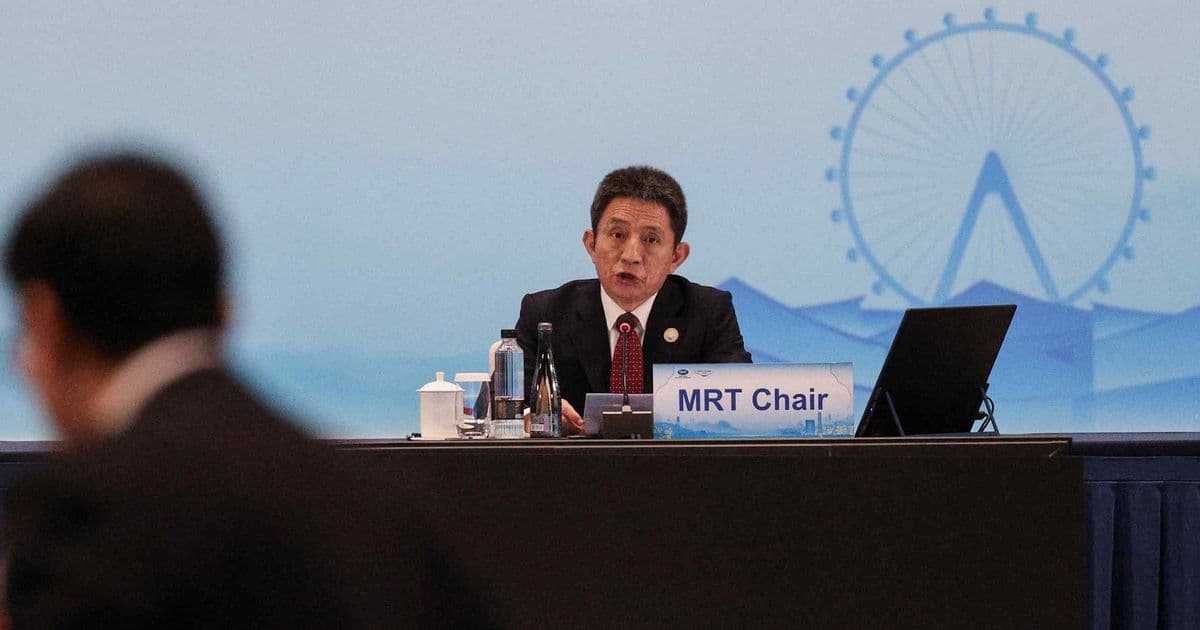
Trade ministers from the APEC forum gathered in Suzhou a week after the Trump‑Xi summit, reviving discussions on tariff reductions, rare‑earth supply chains and a new bilateral trade‑investment mechanism. The talks signal a tentative de‑escalation in the U.S.–China trade war, but underlying tensions remain.
Business news
U.S. and Chinese trade ministers reconvened in Suzhou on May 22, 2026, under the Asia‑Pacific Economic Cooperation (APEC) banner, just seven days after President Donald Trump’s summit with President Xi Jinping in Beijing. The agenda centered on implementing the summit’s pledge to lower tariffs on roughly $30 billion of bilateral goods, expanding cooperation on agricultural exports, and establishing a framework to manage future trade disputes.
China’s Vice Minister of Commerce, Li Chenggang, opened the session by emphasizing “stable, predictable trade flows” as essential for both economies, echoing the summit’s language. The United States, represented by Deputy Trade Representative Karen Smith, signaled willingness to cut tariffs on U.S. soybeans, pork and dairy, which together account for $12 billion of annual U.S. exports to China.
Market context
The meeting comes at a pivotal moment for several market segments:
- Agriculture: U.S. farm income fell 4.2 % YoY in Q1 2026 after tariffs on soybeans were raised to 25 % in 2024. A tariff reduction to 10 % could lift soybean exports by an estimated $3.5 billion annually, according to the USDA.
- Technology & rare‑earths: China’s recent controls on rare‑earth exports have tightened supply for U.S. clean‑energy manufacturers, pushing the price of neodymium‑iron‑boron magnets to $96 kg⁻¹, a 22 % increase from 2025 levels. Both sides discussed a “mutual‑interest clause” to prevent abrupt export curbs.
- Investment flows: Bilateral FDI fell to $4.1 billion in 2025, the lowest since 2018. The APEC ministers floated a provisional “Trade‑Investment Dialogue” to address non‑tariff barriers, a structure reminiscent of the 1999 U.S.–China Joint Commission on Commerce and Trade.
What it means
- Short‑term tariff relief: If the pledged cuts on the $30 billion of goods are ratified before the next WTO round, U.S. exporters could see a $1.8 billion boost to quarterly revenues, while Chinese importers stand to save $1.2 billion in duty costs.
- Supply‑chain recalibration: The rare‑earth discussion indicates both governments recognize the strategic risk of over‑reliance. Expect Chinese firms to diversify downstream processing, while U.S. companies may accelerate recycling initiatives and seek alternative materials.
- Institutional channel: The proposed Trade‑Investment Dialogue could become the first formal mechanism since the 2020 “Phase‑One” agreement, offering a venue for rapid dispute resolution and potentially reducing the need for costly WTO litigation.
- Geopolitical undercurrents: Despite the cooperative tone, tensions over Taiwan and the South China Sea were not on the formal agenda, suggesting that trade talks remain a compartmentalized effort to manage economic friction while broader strategic rivalry persists.
The Suzhou gathering therefore marks a tentative step toward de‑escalation in the U.S.–China trade war, but the durability of any concessions will hinge on the ability of both sides to translate political goodwill into concrete, enforceable policies.
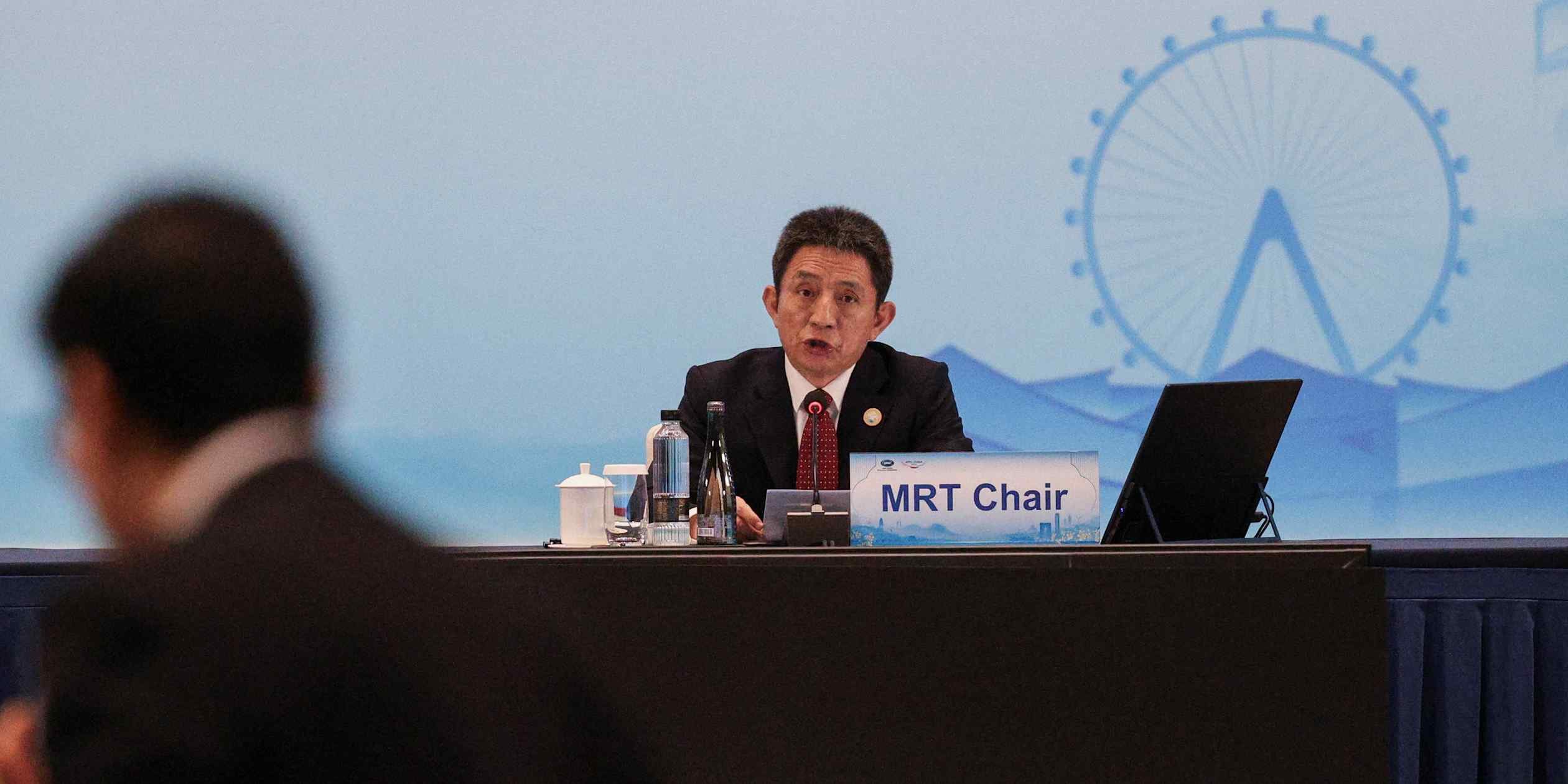
Image caption: Trade ministers convene in Suzhou as APEC 2026 hosts high‑level economic talks.
Comments
Please log in or register to join the discussion