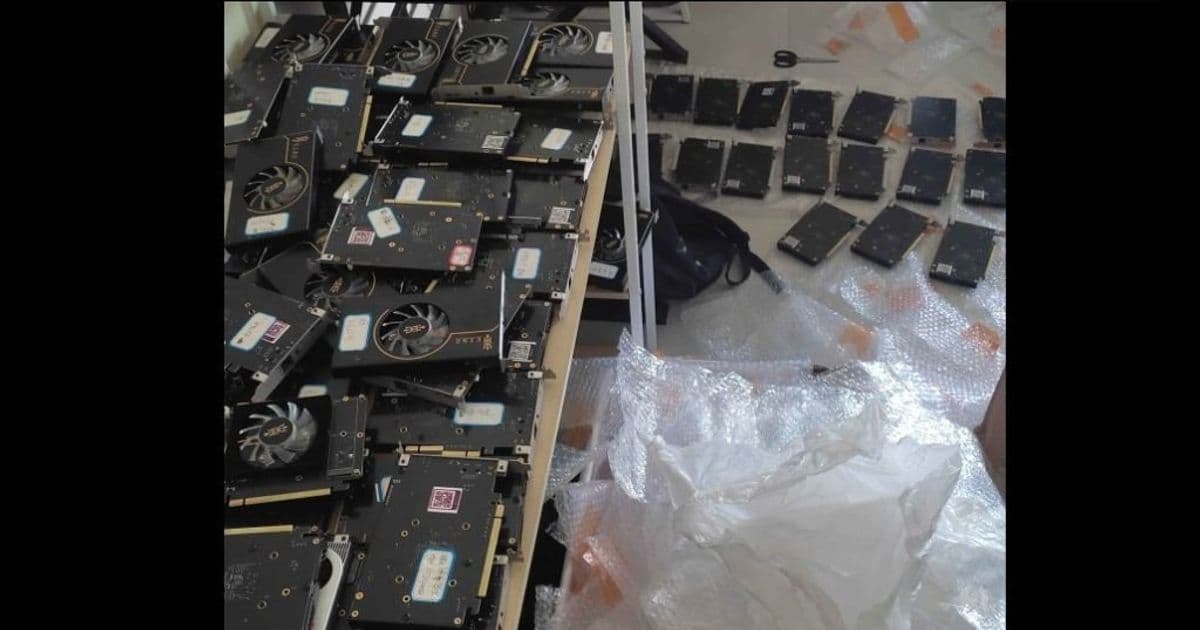
Riot Games' latest Vanguard update effectively renders expensive DMA cheating hardware useless, sparking a debate about the legality of permanently disabling third-party hardware components.
Riot Games has delivered a significant blow to the cheating community with its latest Vanguard anti-cheat update, rendering thousands of dollars worth of DMA (Direct Memory Access) cheating hardware useless. The update implements IOMMU (Input-Output Memory Management Unit) restrictions that detect and block DMA MITM (Man-in-the-Middle) PCIe cards like the HEINO 2.0, which were previously used to create sophisticated cheats in Valorant.
What's New: The Technical Breakthrough
DMA cards like the HEINO 2.0 (priced at $5,900) allowed cheaters to intercept and manipulate game data at the hardware level, bypassing traditional software-based anti-cheat systems. These devices could enable wallhacks, macros, pixel hacks, and trigger bots without being detected by conventional means. The HEINO 2.0, in particular, represented the pinnacle of cheating technology, operating at the PCIe level to intercept data before it even reached the game's software layer.
Riot Games responded to this threat with a technically sophisticated solution. According to anti-cheat reporter ogisdaDMA on X, the latest Vanguard update triggers an IOMMU restart warning in-game, after which the DMA firmware becomes completely unusable. Crucially, this restriction persists even after players close the game or uninstall Vanguard, making it a permanent solution until the problematic hardware is removed from the system.
How It Compares: Previous vs. Current Anti-Cheat Approaches
Prior to this update, Riot Games' approach to anti-cheat primarily focused on software detection and behavioral analysis. While effective against many types of cheats, DMA cards operated at a lower level in the hardware stack, making them difficult to detect through traditional means.
The new approach represents a paradigm shift in anti-cheat technology. By leveraging IOMMU, the system can now create read blocks that permanently break the majority of SATA/NVMe firmware once triggered. This is a more aggressive strategy than previous attempts, which included working with motherboard manufacturers like MSI, ASUS, and ASRock to patch firmware vulnerabilities that allowed DMA devices to slip through pre-boot protection systems.
Who It's For: The Broader Impact
This development affects multiple stakeholders in the gaming ecosystem:
Competitive Players: The primary beneficiaries are legitimate players who can now enjoy a more level playing field. The high cost of DMA hardware (ranging from hundreds to thousands of dollars) had created an uneven competitive landscape where wealth determined access to superior cheating technology.
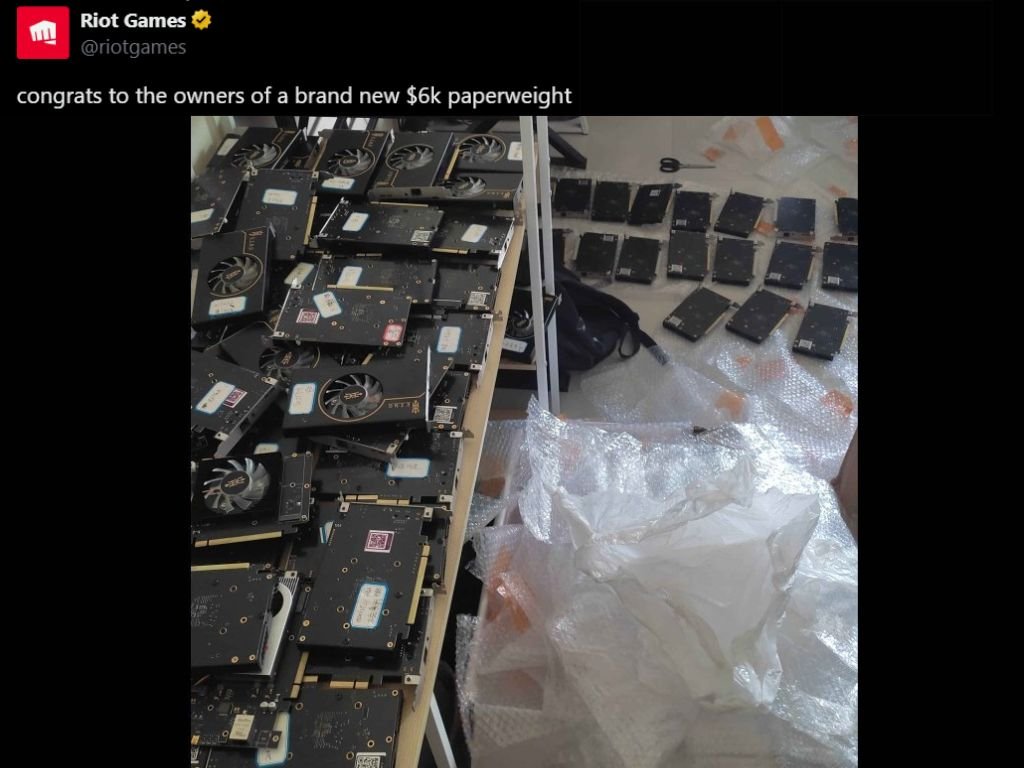
Hardware Manufacturers: Companies producing DMA cards face significant challenges. The HEINO 2.0, which retails for $5,900, has been effectively rendered a "paperweight" according to Riot Games' unapologetic social media response. This represents a substantial financial loss for those who invested in this technology.
Esports Organizers: Tournament organizers can now implement more robust anti-cheat measures with greater confidence in the integrity of competitions.
The Legal Community: The update has sparked a debate about the legality of permanently disabling third-party hardware components. Some hackers have threatened class-action lawsuits, arguing that bricking someone's hardware, regardless of its intended use, should be illegal.
Engineer Daax provided clarification on the technical limitations: "You're not going to suddenly have things on your PC stop working. The DMA device will stop working until you remove it. It will operate normally if you put it on a PC that doesn't have the block."
The Legal Debate: Where Do We Draw the Line?
The controversy centers on whether a software company has the right to disable hardware components that users own. While DMA cards are explicitly designed to cheat in games, they are still hardware components that users have purchased legally.
From a technical standpoint, Riot's approach is clever rather than revolutionary. IOMMU (Intel VT-d or AMD-Vi) has been a standard feature in modern CPUs for years, designed to provide secure virtualization of DMA devices. By leveraging existing hardware capabilities, Riot has created a solution that doesn't require additional software or drivers.
However, the permanence of the block raises questions about user rights. Unlike traditional bans that can be circumvented by creating new accounts, this hardware-level restriction affects the physical components themselves. The only known fix, according to reports, is a full operating system reinstall, which is a significant inconvenience for affected users.
Looking Ahead: The Cat-and-Mouse Continues
Riot Games has made it clear that this is just one step in their ongoing crusade against hardware cheats. The company has been actively collaborating with hardware manufacturers to identify and patch vulnerabilities that could allow DMA devices to bypass security measures.
As with any security arms race, this development is unlikely to be the final word in the battle against cheating. Determined hackers will likely seek workarounds or develop new technologies that can circumvent the IOMMU restrictions. The question becomes whether Riot can stay ahead of these developments or if the cat-and-mouse game will continue indefinitely.
For the average gamer, this update represents a significant victory for fair play. The high cost of DMA hardware had created an uneven playing field where wealth could buy an unfair advantage. By rendering these devices useless, Riot has taken a bold step toward ensuring that skill and strategy remain the primary determinants of success in Valorant.
As the debate continues, one thing remains clear: the intersection of gaming, hardware, and security will continue to evolve, presenting new challenges and opportunities for both legitimate players and those seeking to gain an unfair advantage.
Comments
Please log in or register to join the discussion