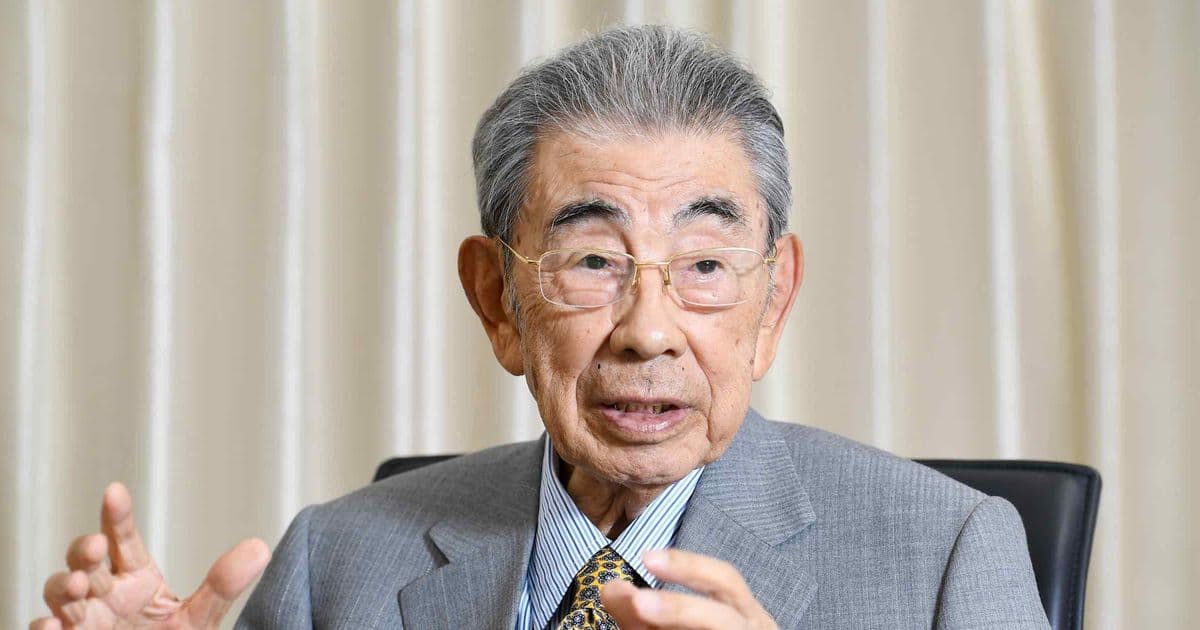
The former CEO and president of Seven & i Holdings transformed 7-Eleven from a foreign concept into Japan's largest convenience store chain, revolutionizing retail in the process.
Toshifumi Suzuki, the visionary executive who transformed 7-Eleven from an American import into Japan's largest convenience store empire, passed away on May 18, 2026, at the age of 93. His death marks the end of an era for Japan's retail industry, which he fundamentally reshaped through his pioneering approach to convenience store management and expansion.
Suzuki's journey with what would become Seven & i Holdings began in the 1970s when he recognized the potential of the convenience store model in Japan. As former CEO and president of the company, he spearheaded the aggressive expansion strategy that made 7-Eleven a household name across Japan and eventually one of the world's largest convenience store chains. His leadership established the "Japan way" of convenience store operations, emphasizing efficiency, product freshness, and customer service that became the industry standard.
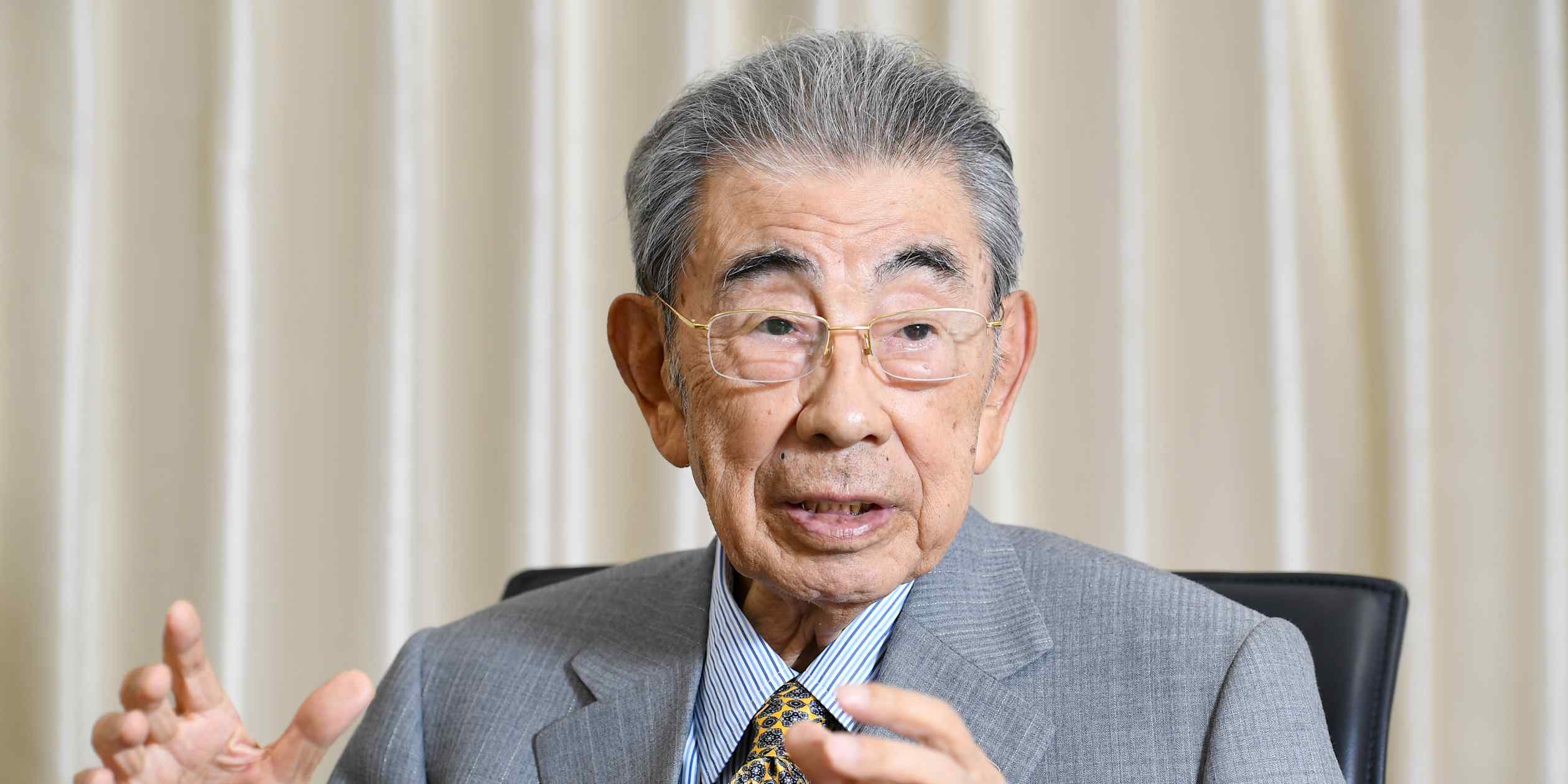
Under Suzuki's guidance, 7-Eleven Japan developed a sophisticated distribution network that allowed stores to receive multiple deliveries daily, ensuring products were always fresh. This operational excellence became a competitive advantage that few retailers could match. The company's franchise model also flourished under his leadership, providing entrepreneurs with a proven business opportunity while maintaining consistent quality across thousands of locations.
The impact of Suzuki's vision extends beyond mere store count. By the time of his death, the convenience store industry he helped create had become an integral part of Japanese daily life, offering everything from fresh meals and financial services to utility bill payments and package delivery services. This evolution transformed convenience stores from simple retail outlets into comprehensive community service hubs.
Financially, Suzuki's leadership generated remarkable results. Seven & i Holdings, the parent company he helped shape, reported annual revenues exceeding ¥5 trillion (approximately $33 billion) in recent years, with convenience stores accounting for the majority of this business. The company's market capitalization grew exponentially during his tenure, making it one of Japan's most valuable retail enterprises.
The legacy of Suzuki's approach continues to influence the global convenience store industry. His emphasis on data-driven decision making, centralized distribution systems, and localized product offerings created a blueprint that retailers worldwide have attempted to emulate. The 7-Eleven model he developed has been exported to over 20 countries, with varying degrees of success.
In recent years, however, the convenience store industry faces new challenges. As noted in related reports, 7-Eleven is currently planning to close over 600 North American stores while simultaneously boosting investment by 50% in other markets. This strategic realignment reflects the changing retail landscape, where digital competition and shifting consumer habits are forcing even the most established players to adapt.
The company is also facing pressure from activist investors demanding an overhaul of operations. These developments highlight how the industry Suzuki built continues to evolve, even as his foundational principles remain influential.
Suzuki's impact extended beyond the retail sector. His success with 7-Eleven demonstrated the potential of Western retail concepts adapted to Japanese consumer preferences, paving the way for other international brands like Starbucks to establish successful operations in Japan. After 30 years in the Japanese market, Starbucks has indeed remade cafe culture, a development that parallels Suzuki's own transformation of the convenience store landscape.
The story of 7-Eleven's rise in Japan is also intertwined with that of Ito-Yokado, the department store chain that initially brought the 7-Eleven concept to Japan. As reported in related obituaries, Ito-Yokado's founder was a "cautious merchant who dared to save 7-Eleven," highlighting the early challenges that Suzuki and his team overcame to establish the brand's dominance.
Looking ahead, the convenience store industry continues to navigate significant changes. 7-Eleven's recent announcement of seeking global expansion without imposing the rigid "Japan way" suggests a recognition that local adaptation is crucial for international success. This balanced approach between maintaining core principles and allowing local flexibility reflects the mature understanding of global retail that Suzuki helped develop during his decades of leadership.
As the industry moves forward, the principles established by Suzuki—operational efficiency, customer focus, and continuous innovation—remain relevant even as the methods of implementation evolve. His passing represents not just the end of a remarkable career, but also a moment to reflect on how visionary leadership can transform an industry and become woven into the fabric of daily life for millions of people.
Comments
Please log in or register to join the discussion