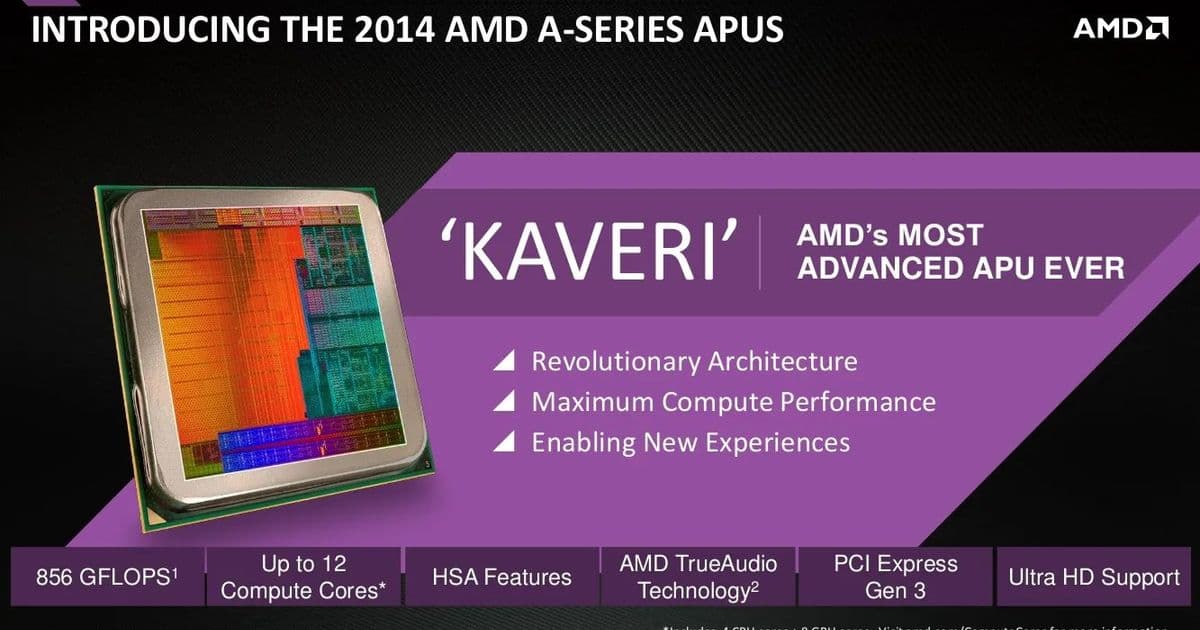
Valve's Timur Kristóf has submitted patches enabling Display Core (DC) support for GCN 1.1 APUs, bringing VRR, DP/HDMI audio, HDR, and atomic mode-setting to Kaveri, Kabini, and Mullins APUs running Linux.
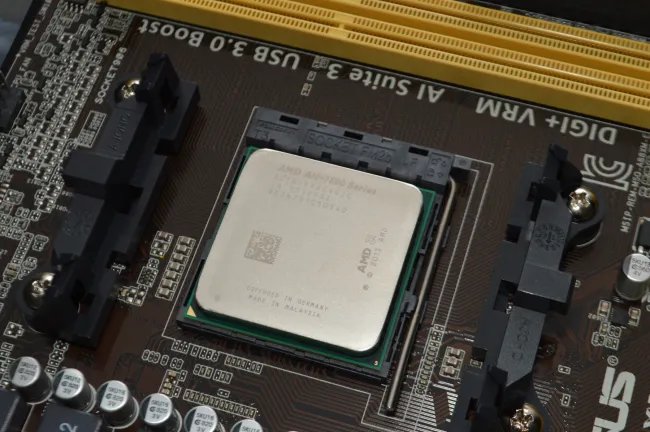
Valve's Linux graphics team continues to breathe new life into aging hardware with a significant update for AMD's GCN 1.1 APUs. Timur Kristóf has submitted a series of patches that enable full Display Core (DC) support for Sea Islands APUs, including the popular Kaveri, Kabini, and Mullins families that have been powering everything from budget desktops to compact laptops for years.
The Long Road to Modern Display Support
The journey to modernize these APUs has been ongoing. Last year, Kristóf successfully transitioned GCN 1.0 and GCN 1.1 GPUs to use the AMDGPU kernel driver by default, moving away from the aging "Radeon" driver that had been in maintenance mode for pre-GCN hardware. However, GCN 1.1 APUs still faced limitations that prevented them from using the modern AMDGPU DC display code.
This week, Kristóf posted 14 patches specifically addressing external DisplayPort bridge encoder support in the AMDGPU DC code. With these patches, the Sea Islands APUs can now achieve feature parity with newer hardware when it comes to display functionality.
What This Means for Users
For those still running systems with Kaveri-class APUs, this update unlocks several long-awaited features:
- DisplayPort/HDMI Audio: Finally, audio over digital connections works properly
- Variable Rate Refresh (VRR): Adaptive sync support for smoother gaming
- DisplayPort Multi-Stream Transport (DP MST): Support for daisy-chaining multiple monitors
- 10-bit Color Support: Enhanced color depth for better image quality
- HDR Features: Limited but functional high dynamic range support
- Atomic Mode-Setting: More reliable display configuration changes
Technical Implementation
The patches focus on wiring up external DP bridge encoder handling to the AMDGPU Display Core. This is the same modern display infrastructure that powers newer AMD GPUs, bringing these older APUs into the fold of current display technologies.
Kristóf notes that with these changes, DC can be enabled by default for CIK (Cayman) APUs as well, marking a complete transition away from the legacy display code for this hardware generation.
Timeline and Availability
While the patches are now under review, they're unlikely to make it into the upcoming Linux 6.20~7.0 kernel cycle due to timing. The soonest we can expect these improvements is with the Linux 7.1 kernel release, likely arriving in summer 2026.
Real-World Impact
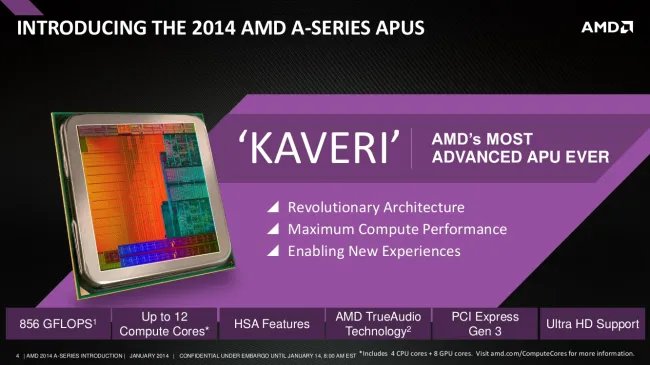
For users still running these older APUs, the practical benefits are significant. While modern gaming remains challenging on Kaveri-class hardware, the improved display support makes these systems much more viable for everyday use. The addition of proper DP/HDMI audio alone solves a major pain point that has plagued users for years.
The HDR support, while limited, represents a step forward for media consumption. Combined with VRR support, even older systems can provide a more modern computing experience when paired with compatible displays.
Why This Matters
Valve's continued investment in older AMD GPU support demonstrates the company's commitment to Linux as a gaming platform. By ensuring that even aging hardware can take advantage of modern display technologies, Valve helps maintain the viability of Linux for a broader range of users and hardware configurations.
This work also highlights the strength of open-source driver development. Rather than abandoning older hardware, the community and industry partners like Valve can continue to improve support and add features long after commercial support might have ended.
Looking Forward
While these APUs won't suddenly become gaming powerhouses, the enhanced display support makes them more competitive for general computing tasks. For users with older AMD-based systems, this update provides a compelling reason to stick with Linux rather than seeking alternatives.
As Kristóf and the Valve Linux graphics team continue their work, it's clear that the open-source AMDGPU driver will remain a focus for bringing modern features to both new and legacy hardware. For the Linux community, this represents another win in the ongoing effort to make Linux a first-class platform for all types of computing tasks.
Comments
Please log in or register to join the discussion