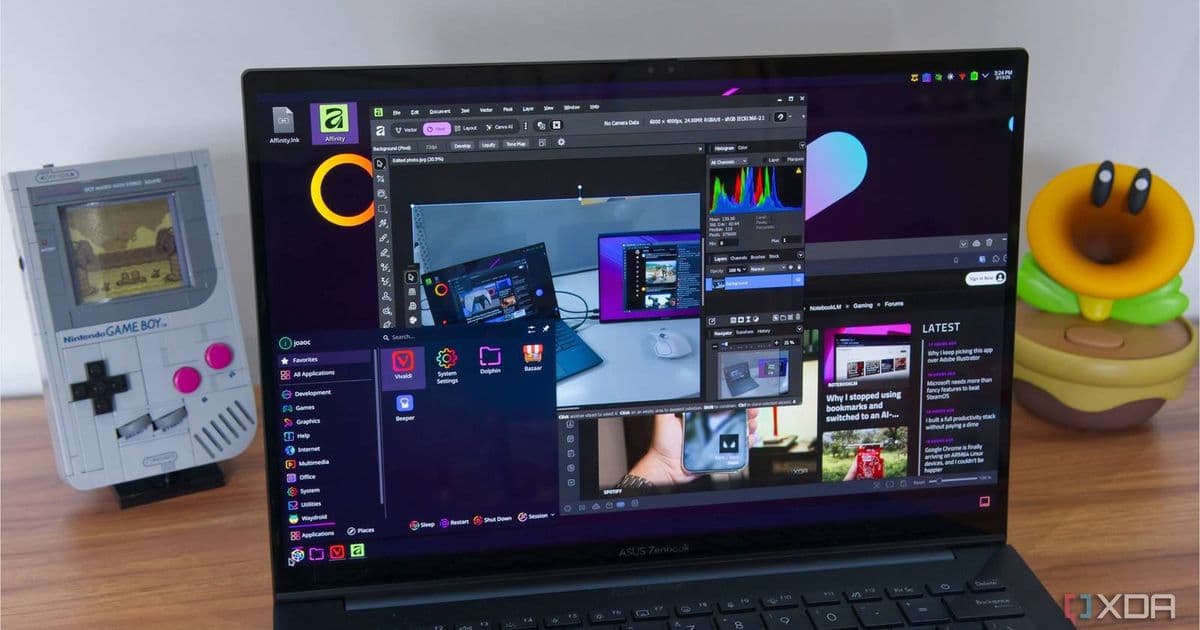
After six years of development, the xdg-session-management protocol has been merged, enabling Wayland to restore window positions after crashes or logouts. KDE and GNOME are actively implementing the feature, though distribution-level adoption remains pending.
After six years of development, Wayland is finally getting a fix for one of its most persistent usability issues. The xdg-session-management protocol, which enables restoring window positions after crashes or logouts, has been successfully merged and is now ready for implementation by desktop environments.
The Long Road to Session Management
The journey began in February 2020 when a GitLab proposal titled "staging: Add xdg-session-management protocol" first appeared. The concept was straightforward yet impactful: allow Wayland to remember where applications were positioned when a session ended unexpectedly and restore them to those exact locations when reopened.
This addresses a fundamental difference between Wayland and X11. Under X11, applications could freely query and manipulate window positions across the entire desktop, making session restoration relatively simple. Wayland's security model, which isolates applications and prevents them from seeing other windows' positions, made this functionality significantly more complex to implement.
What the Protocol Actually Does
The xdg-session-management protocol specifically handles scenarios where sessions end unexpectedly—such as system crashes, forced logouts, or power failures. It's distinct from manual window management, where users deliberately close applications themselves. When a session terminates abruptly, the protocol ensures that when applications restart, they return to their previous positions and states.
Think of it as a recipe book finally being completed. The protocol provides the exact specifications and tools developers need, but it doesn't automatically appear in every Wayland distribution. Each desktop environment must implement the protocol using these finalized tools.
KDE and GNOME Lead the Charge
Both major Linux desktop environments are already working on implementations. KDE announced during its recent "This Week in Plasma" update that KWin, its window manager, already has a draft implementation in place. The team anticipates "serious movement" on this long-standing feature in the near future.
GNOME has also been developing its own implementation, though the timeline has shifted. The team originally hoped to include it in GNOME 48, but that release came and went without the feature. GNOME 50 "Tokyo" was released more recently, still without session management support. With the protocol now finalized, implementations from both camps should accelerate.
What Comes Next
The protocol's merger represents a significant milestone, but it's not the finish line. Desktop environments must complete their implementations, and then Linux distributions need to adopt and enable the feature by default. This multi-step process means users won't see immediate, universal availability.
For Wayland users who have long been frustrated by the inability to restore their workspace layouts after unexpected interruptions, this development signals that relief is on the horizon. The six-year development cycle demonstrates the complexity of implementing seemingly simple features within Wayland's security-conscious architecture.
As KDE and GNOME continue their implementations, other Wayland compositors and desktop environments may follow suit, potentially making session restoration a standard feature across the Linux desktop ecosystem in the coming years.
Comments
Please log in or register to join the discussion