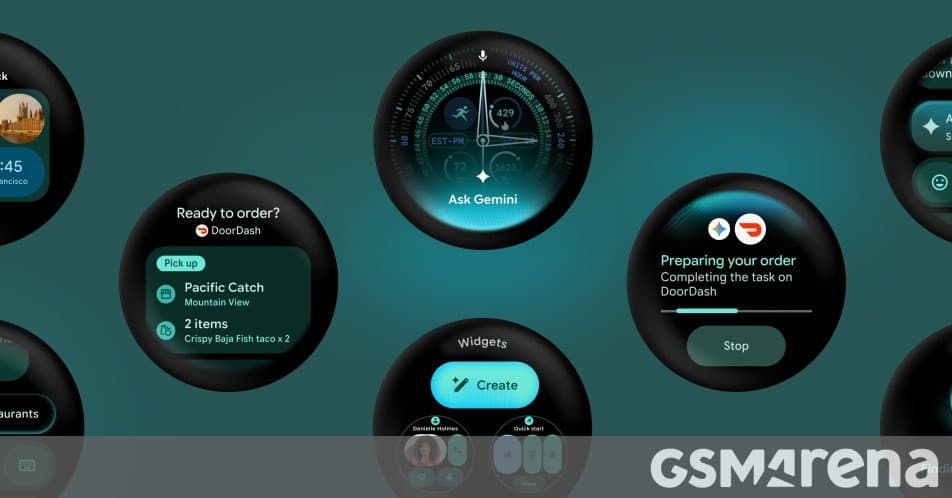
Google announces Wear OS 7 at I/O 2026, bringing widgets, real-time updates, improved battery life, and deeper AI integration to smartwatches.
Google has officially unveiled Wear OS 7 at the Google I/O 2026 conference, marking a significant evolution in the company's smartwatch operating system. Built on Android 17, this latest iteration introduces several key features designed to enhance user experience, improve functionality, and extend the capabilities of smartwatches. The announcement comes as Google continues to strengthen its position in the wearable technology market, addressing common pain points while introducing innovative new capabilities.
Key Features and Technical Improvements
Widgets and Interface Enhancements
Wear OS 7 introduces a widget system that brings familiar functionality from Android smartphones to smartwatches. The widgets will be available in 2x1 and 2x2 layouts, providing users with at-a-glance information without needing to open specific applications. This represents a significant shift from the previous widget system, offering more flexibility and customization options for users who want to personalize their smartwatch experience.
The implementation of widgets in a smartwatch environment presents unique challenges compared to smartphones due to the smaller screen size and different interaction patterns. Google has designed these widgets to be contextually aware, adapting information based on time, location, and user behavior. For example, a weather widget might automatically display more detailed information in the morning when users are planning their day, while showing simpler information during other times.
Live Updates for Real-Time Information
One of the most significant new features in Wear OS 7 is Live Updates, which allows applications to display real-time information directly on the watch face or in notification cards. This technology enables apps to push updates proactively rather than requiring users to open applications to refresh content.
The implementation of Live Updates likely leverages background processing capabilities and efficient data synchronization methods to minimize battery impact while providing timely information. This could be particularly valuable for applications like messaging, sports tracking, or calendar management, where up-to-the-minute information is crucial.
Battery Life Improvements
Google claims that Wear OS 7 can deliver up to a 10% improvement in battery life for smartwatches upgrading from Wear OS 6. This improvement is notable given the increased functionality and processing demands of the new operating system.
The battery gains likely come from several optimizations:
- More efficient power management for the display
- Improved background app processing
- Enhanced resource allocation algorithms
- Potentially more efficient communication protocols between the watch and paired devices
While 10% might not seem revolutionary, in the context of smartwatch battery life where every hour counts, this improvement could translate to meaningful additional usage time between charges.
Enhanced Media Controls
Wear OS 7 introduces upgraded system media controls with per-app media auto-launch capabilities. This means that when media starts playing on a paired device, the smartwatch can automatically display appropriate controls based on which application is playing audio.
The new version also includes seamless audio routing through the Remote Output Switcher, allowing users to easily switch audio output between their watch, phone, or other connected devices. This feature is particularly valuable for users who frequently switch between listening to audio on their watch (perhaps during workouts) and then continuing on their phone or speakers.
Workout Tracking Standardization
The Wear Workout Tracker in Wear OS 7 provides a standardized workout tracking experience across different applications and devices. This standardization addresses a common issue in the fitness technology space where different apps and devices measure and report metrics differently, making it difficult for users to get consistent data.
By establishing a common framework for workout tracking, Wear OS 7 aims to create a more cohesive ecosystem where data can be easily shared between fitness applications and services. This could be particularly valuable for users who use multiple fitness apps or devices and want a unified view of their activity data.
Watch Face Format v5
Wear OS 7 introduces support for Watch Face Format v5, which likely brings new capabilities for developers creating custom watch faces. While the specific improvements aren't detailed in the announcement, previous versions of the format have added features like complications support, improved animation capabilities, and more efficient rendering methods.
This update should provide watch face developers with more tools to create visually appealing and functional watch faces that can better leverage the hardware capabilities of modern smartwatches.
AI Integration and Future Capabilities
Gemini Intelligence Integration
Perhaps the most anticipated feature of Wear OS 7 is the integration of Gemini Intelligence, which will be available on select smartwatches launching later in 2026. This represents Google's continued push to bring advanced AI capabilities to its ecosystem.
Gemini Intelligence on Wear OS is expected to enable more "agentic" experiences, where the smartwatch can proactively assist users with tasks and provide intelligent suggestions based on context and user behavior. This could include features like automatically suggesting workout routines based on recent activity, reminding users about upcoming meetings with relevant context, or offering assistance with daily tasks.
App Functions API for AI Integration
Wear OS 7 introduces a new App Functions API that allows developers to connect their applications with AI assistants such as Gemini. This API provides a standardized way for apps to leverage AI capabilities while maintaining user privacy and control.
The API likely includes methods for:
- Exposing app functionality to AI assistants
- Receiving AI-powered suggestions and responses
- Handling user authentication and permissions
- Managing data privacy and security
This developer-focused addition could accelerate the integration of AI features across the Wear OS ecosystem, as it provides a clear framework for applications to incorporate intelligence without needing to build complex AI infrastructure from scratch.
Task Automation
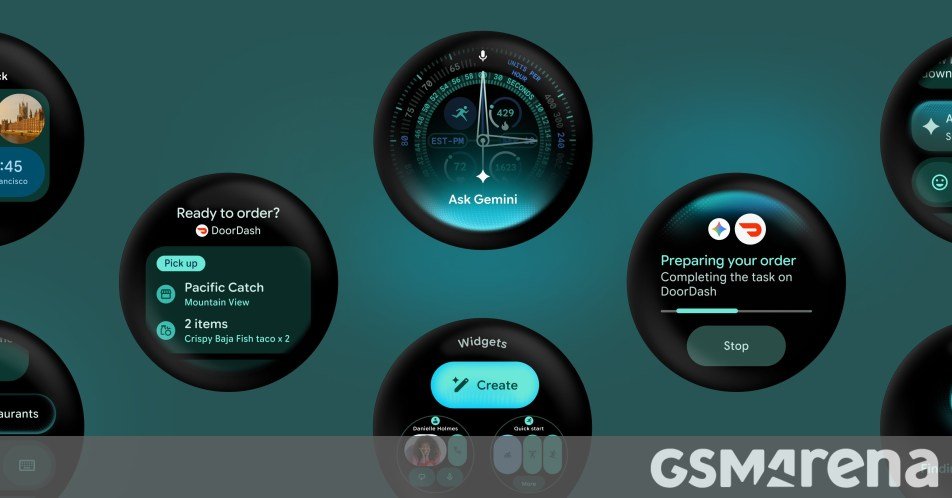
Google has confirmed that task automation is coming to smartwatches with Wear OS 7. This feature will allow users to use voice commands to complete actions across various applications and services.
The announcement specifically mentions the ability to place orders on DoorDash using voice commands, suggesting that the automation capabilities will integrate with third-party services. This represents a significant expansion of the smartwatch's utility, moving beyond simple notifications and controls to actually completing tasks.
The implementation of task automation on a device with limited input methods (primarily touch and voice) presents interesting design challenges. Google will need to create interfaces that are both powerful enough to handle complex tasks while remaining simple enough to use effectively on a small screen.
Developer Experience and Availability
For developers interested in building for Wear OS 7, Google has made the Wear OS 7 Canary Emulator available for testing. This allows developers to experiment with the new features and APIs before the official release, ensuring that applications will be ready when the operating system launches.
The emulator likely includes:
- Complete simulation of the new operating system
- Tools for testing widget functionality
- Development environments for the App Functions API
- Debugging tools for media controls and automation features
Wear OS 7 is scheduled for release later in 2026, though Google has not provided a specific date. The company typically releases major Wear OS updates in conjunction with new hardware partners, so we may see the first devices with Wear OS 7 launching in the fall.
Ecosystem Context and Market Position
The release of Wear OS 7 comes at a time of increasing competition in the smartwatch market. Apple continues to dominate with its watchOS, while Samsung's Galaxy Watch line (which uses Wear OS) has gained significant market share. The addition of advanced AI features like Gemini Intelligence positions Wear OS to compete more directly with Apple's health and fitness tracking capabilities.
The improved battery life and standardized workout tracking suggest that Google is addressing some of the historical weaknesses of Wear OS compared to competing platforms. These improvements, combined with the enhanced AI capabilities, could help Wear OS devices become more appealing to both new users and those considering upgrading from previous generations.
The integration of task automation and media controls also indicates that Google is positioning Wear OS smartwatches as more than just fitness trackers or notification hubs. Instead, the company is aiming to create a more comprehensive wearable computing experience that can serve as a primary interface for certain tasks and interactions.
For existing Wear OS users, the update represents a significant evolution that should provide both immediate quality-of-life improvements and new capabilities that expand what's possible with a smartwatch. The combination of interface enhancements, battery improvements, and AI integration suggests that Wear OS 7 could be one of the most substantial updates to the platform in recent years.
As with any major operating system update, the actual user experience will depend on how well device manufacturers implement the new features and how quickly developers take advantage of the new capabilities. However, based on the announcement, Wear OS 7 appears to be a thoughtful evolution that addresses key user needs while introducing innovative new functionality that could help redefine what users expect from their smartwatches.
Conclusion
Wear OS 7 represents Google's most ambitious update to its smartwatch operating system in recent years. By introducing widgets, Live Updates, improved battery life, and deeper AI integration, the company is addressing core user needs while expanding the capabilities of wearable devices.
The addition of Gemini Intelligence and task automation positions Wear OS to compete more effectively in the increasingly crowded smartwatch market, while the standardized workout tracking and enhanced media controls should improve the day-to-day experience for users.
As we await the official release later in 2026, Wear OS 7 appears poised to deliver meaningful improvements that could make smartwatches more useful, personalized, and intelligent companions for users across a wide range of activities and use cases.
Comments
Please log in or register to join the discussion