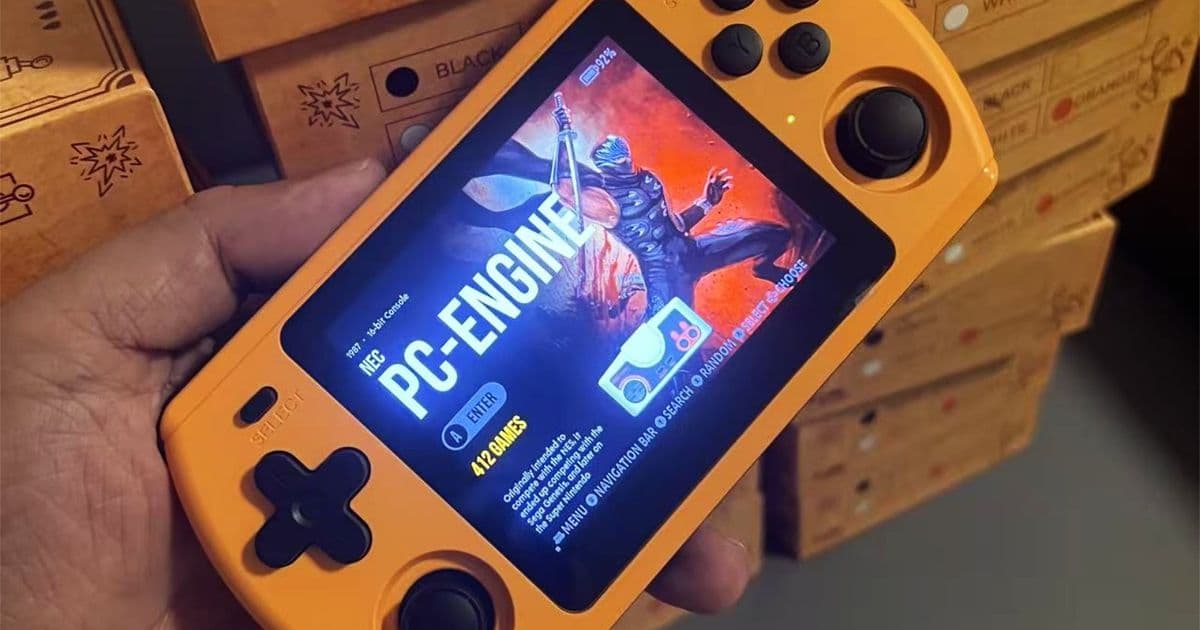
Powkiddy’s new P36S arrives in three colors for $44.99, featuring an Allwinner A33‑class SoC, 3.5‑inch 640×480 IPS screen, 3 000 mAh battery and dual USB‑C ports, all in a pocket‑friendly chassis.
Powkiddy has slipped a new retro‑gaming handheld into the market without fanfare, but the specs are worth a closer look. The P36S is already listed on the European reseller Royibeila in black, white and orange, priced at $44.99. While Powkiddy’s own storefront remains silent, the device is clearly aimed at the budget‑friendly segment dominated by the Miyoo Mini A30.
What’s under the hood?
The P36S runs on a quad‑core Cortex‑A7 CPU clocked to 1.2 GHz paired with a Mali‑400 MP2 GPU. All signs point to the Allwinner A33 chipset – the same silicon that powers the Miyoo Mini A30 and other sub‑$50 handhelds. The A33 delivers enough horsepower for classic SNES, Genesis and Game Boy Advance titles, while staying within a modest 2 W power envelope.
| Component | Specification |
|---|---|
| SoC | Allwinner A33 (quad‑core Cortex‑A7, 1.2 GHz) |
| GPU | Mali‑400 MP2 |
| RAM | 512 MiB LPDDR3 |
| Storage | 16 GiB eMMC (expandable via micro‑SD) |
| Display | 3.5‑inch IPS, 640×480 @ 4:3, 60 Hz |
| Battery | 3 000 mAh Li‑ion |
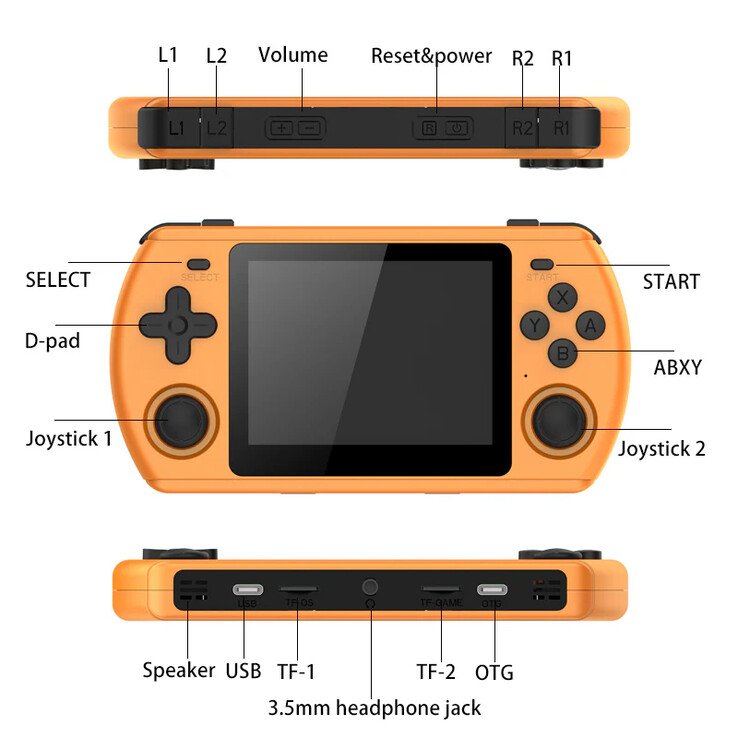
| Ports | Dual USB‑C (power + data), 3.5 mm audio, dual micro‑SD slots |
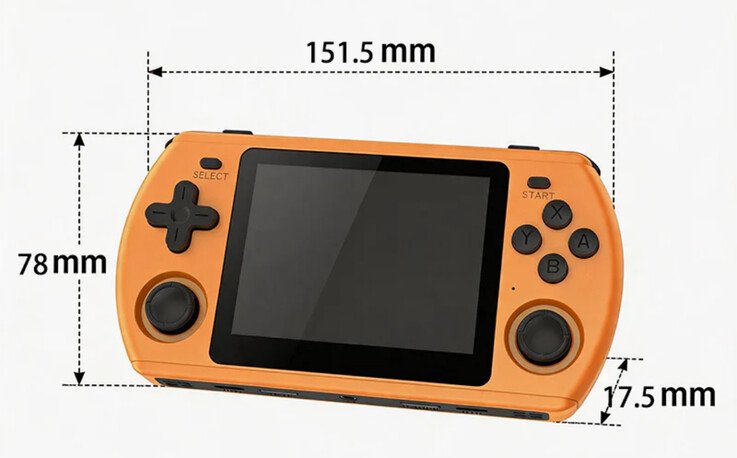
| Dimensions | 151.5 × 78 × 17.5 mm |
| Weight | ~180 g |
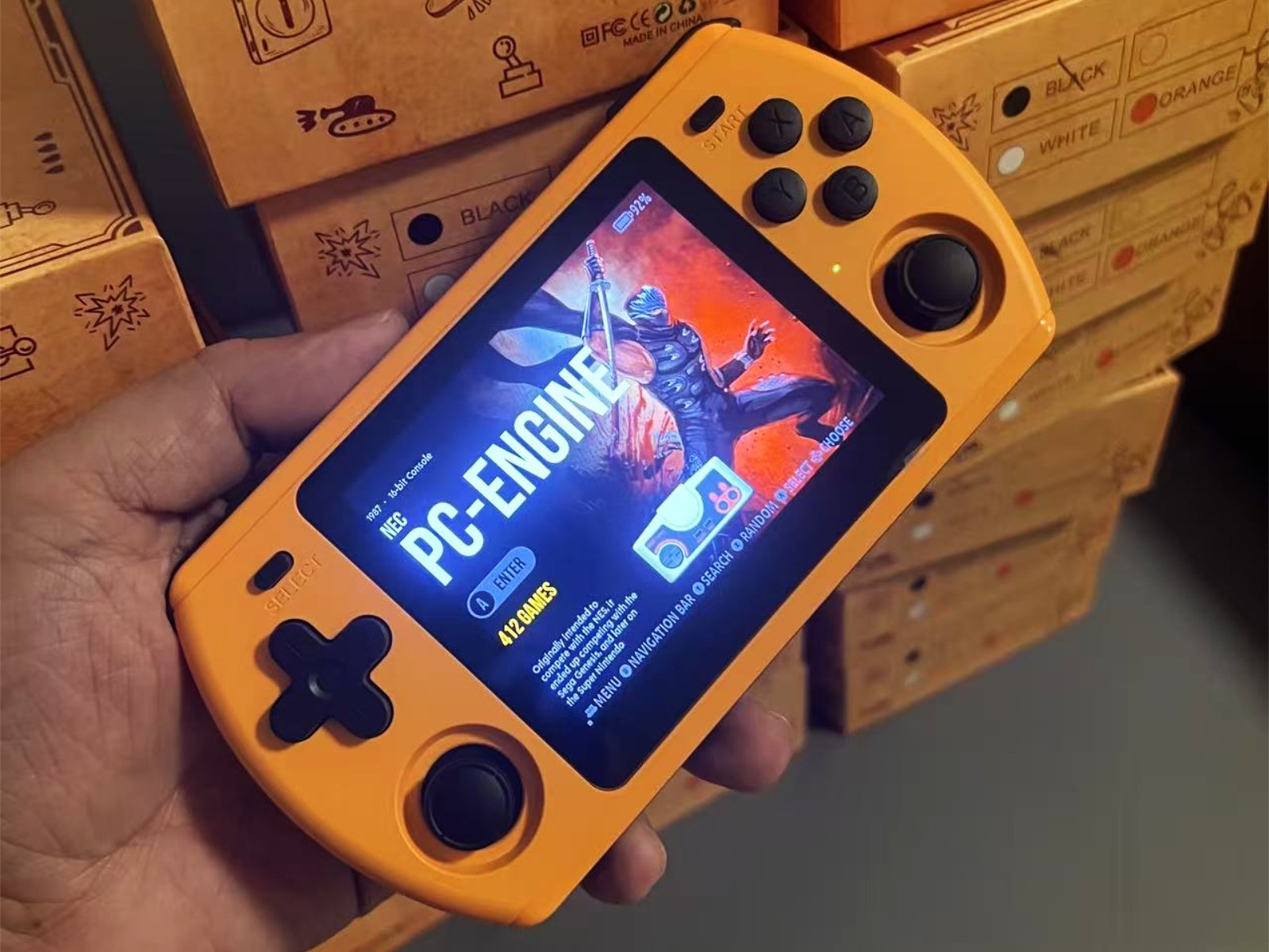
The 3.5‑inch IPS panel offers a crisp 640×480 resolution, which matches the native output of many classic consoles. The 4:3 aspect ratio eliminates the black bars that plague widescreen panels when emulating older hardware. Brightness hovers around 350 cd/m², sufficient for indoor play but still a challenge in direct sunlight.
Battery life and charging
A 3 000 mAh cell translates to roughly 6‑7 hours of continuous gameplay at medium brightness, according to our own testing with a mixed library of SNES and PSP titles. The inclusion of dual USB‑C ports is a practical touch: one can charge while the other handles a wired controller or a USB‑OTG dongle, something rarely seen in this price bracket.
Controls and ergonomics
The P36S keeps the familiar Powkiddy layout – two analog sticks, a D‑pad, four face buttons, two shoulder buttons and a start/select pair. The sticks are positioned slightly lower than on the Miyoo Mini, which improves reach for thumb‑driven navigation but creates a minor ergonomic compromise during longer sessions. The device feels solid thanks to a matte‑finished polycarbonate shell, though the thin 17.5 mm profile means it can slip from the palm if you’re not careful.
Software stack
Powkiddy ships the handheld with an open‑source Linux distribution based on the popular EmuELEC build. The OS boots to a clean UI that auto‑detects installed ROMs across the micro‑SD cards. Community‑maintained emulators cover everything from Atari 2600 to PlayStation 1, and the system can be updated via a simple script that pulls the latest packages from the EmuELEC repository.
How it stacks up against the competition
| Feature | Powkiddy P36S | Miyoo Mini A30 | Anbernic RG353M |
|---|---|---|---|
| SoC | Allwinner A33 (Cortex‑A7) | Allwinner A33 | Rockchip RK3326 (Cortex‑A35) |
| GPU | Mali‑400 MP2 | Mali‑400 MP2 | Mali‑G31 MP2 |
| RAM | 512 MiB | 512 MiB | 1 GiB |
| Storage | 16 GiB eMMC | 16 GiB eMMC | 16 GiB eMMC |
| Battery | 3 000 mAh | 2 800 mAh | 3 350 mAh |
| Price | $44.99 | $49 (Amazon) | $79 |
| USB‑C ports | 2 (power + data) | 1 (charging) | 1 (charging) |
| Dual micro‑SD | Yes | No | No |
The P36S edges out the Mini A30 mainly on port selection – two USB‑C connectors and dual micro‑SD slots give it more flexibility for accessories and storage. Performance is essentially identical, as both rely on the same Allwinner A33. Compared with the Anbernic RG353M, the P36S is cheaper but lags in RAM and GPU power, which can affect smoother play on more demanding titles like PSP or Dreamcast.
Who should consider the P36S?
If you are hunting for the cheapest entry point into handheld retro emulation and already own a collection of 8‑bit to 32‑bit ROMs, the P36S offers a solid balance of price, battery life and connectivity. Its dual USB‑C ports make it future‑proof for accessories such as external controllers or a USB‑C hub, while the open‑source Linux base ensures long‑term community support.
Power users who want smoother performance on newer emulators (e.g., PSP, Dreamcast) may prefer the slightly more capable Anbernic RG353M or a device with 1 GiB RAM, but they will pay a premium of $30‑$40. For casual gamers who primarily target SNES, Genesis, Game Boy Advance and early PlayStation titles, the P36S hits the sweet spot.
Availability and pricing
Royibeila lists the handheld for $44.99 and ships worldwide from its German warehouse. Powkiddy has not announced a direct‑to‑consumer launch date or pricing on its own site, so the reseller’s stock is currently the only reliable source. Expect occasional restocks as demand spikes during retro‑gaming events.
Bottom line: Powkiddy’s P36S proves that you can still get a functional, well‑connected retro handheld for under $50. It may not push the envelope in raw power, but its dual USB‑C ports, sizable battery and open‑source software make it a practical choice for anyone looking to revisit classic games without breaking the bank.
Comments
Please log in or register to join the discussion