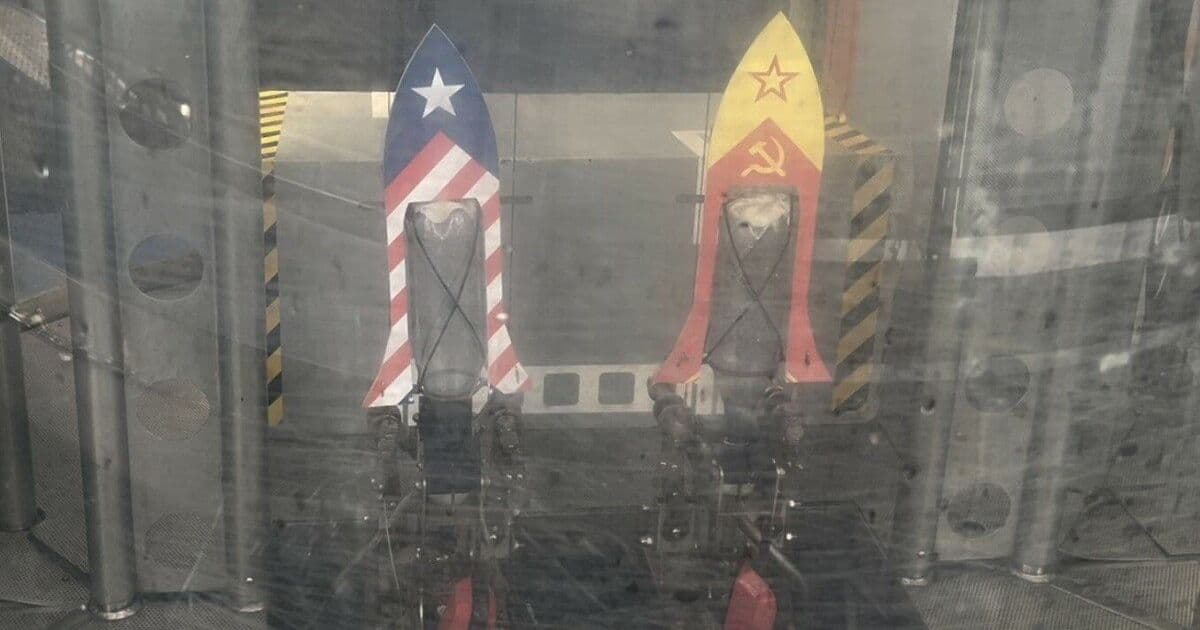
A water‑rocket exhibit at England’s National Space Centre unintentionally echoed the Space Launch System’s notorious pre‑flight leaks, sparking amusement and a broader conversation about how hands‑on science displays balance realism with reliability.
When a Museum Bottle Rocket Mimics NASA’s Leaky SLS
The National Space Centre in Leicester recently ran a simple water‑rocket demo that, instead of a clean launch, produced a sputtering spray reminiscent of NASA’s Space Launch System (SLS) woes. Visitors watched the “USA” bottle fizzle, spewing water from its base before a feeble twitch, while the “Soviet” counterpart shot upward without a hitch.
The exhibit in context
The centre’s interactive zone is designed to let guests explore the Space Race, from a parafoil‑equipped Gemini capsule to a full‑scale planetarium. One station lets users select a historic rocket, pressurise a plastic bottle with water, and trigger a countdown. In theory, the activity mirrors the excitement of a launch while staying safe enough for school groups.
In practice, the American‑side hardware suffered a mechanical failure: the elastic bands that hold the bottle in its frame snapped, allowing the pressurised water to escape sideways. The museum’s own statement explained that replacement bands are on order, leaving the Soviet‑styled rocket as the only functional unit.
“We currently have one water rocket out, the USA rocket. The bands that keep the bottle in place have snapped a few times recently, so we are waiting on parts to be delivered,” the centre told us.
Community reaction
Light‑hearted amusement
Social media users quickly turned the mishap into a meme, juxtaposing the sputtering bottle with footage of the SLS’s pre‑launch leaks. The humor landed because the museum’s failure mirrored a very public, high‑profile engineering challenge.
- Twitter: @SpaceGeekUK posted a side‑by‑side GIF of the museum rocket and an SLS fuel‑line leak, captioned “When your museum demo is more accurate than NASA’s QA.”
- Reddit r/space: Threads discussed whether the museum should replace the bands with something more robust, but most comments celebrated the accidental satire.
Concerns about realism vs. safety
A smaller but vocal segment raised the question of whether such realistic failures could cause anxiety for younger visitors. A parent on a parenting forum argued that the exhibit should either be fully reliable or clearly framed as a “controlled failure” to avoid confusion about actual rocket safety.
Technical takeaways
Engineers pointed out that the failure was predictable: the elastic bands were the weakest link in a system that repeatedly experiences high pressure spikes. Replacing them with silicone straps or a metal clip would likely eliminate the issue. The museum’s maintenance logs, if made public, could serve as a case study for other institutions that run similar pneumatic displays.
Counter‑perspectives
The value of “messy” science
Some educators argue that an imperfect demo can be a teaching moment. When the rocket fails, staff can explain concepts like pressure, structural limits, and the importance of redundancy—topics that a flawless launch would gloss over.
“Seeing a failure up close demystifies the engineering process,” said Dr. Lena Patel, a science communication researcher at the University of Manchester. “It shows that even the biggest agencies like NASA grapple with leaks and broken parts.”
Risk of over‑theorising
Conversely, critics warn against reading too much into a museum’s mechanical glitch. The SLS’s challenges stem from complex cryogenic plumbing and massive scale, whereas the bottle rocket’s issue is a simple rubber band snapping. Over‑inflating the comparison could distract from the real technical hurdles NASA faces.
What’s next for the exhibit?
The centre plans to reorder the elastic bands and hopes to have both rockets operational by the next school term. In the meantime, they have added a brief on‑screen note explaining that the “USA” rocket is currently offline, turning the downtime into a transparent part of the visitor experience.
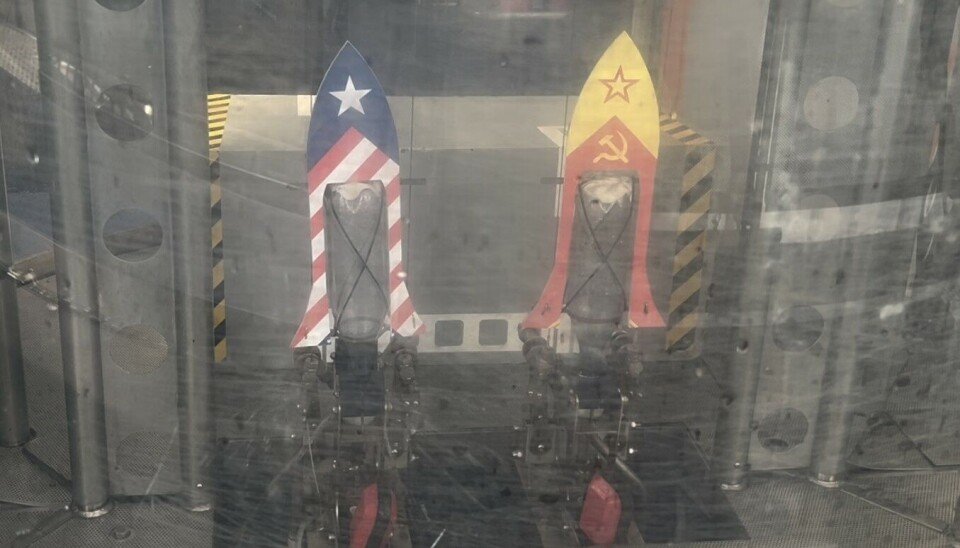 Caption: The National Space Centre’s bottle‑rocket station, where a simple plastic bottle unintentionally echoed a high‑profile launch system’s leak.
Broader pattern
This incident fits a growing pattern where public science installations unintentionally mirror industry setbacks. From a failed Tesla coil at a tech fair to a malfunctioning wind‑turbine model at a sustainability expo, these moments remind us that engineering is as much about managing failure as celebrating success.
By acknowledging the glitch, the National Space Centre not only restores a functional exhibit but also contributes to a larger dialogue about how museums can responsibly showcase the messy reality of space engineering.
Comments
Please log in or register to join the discussion