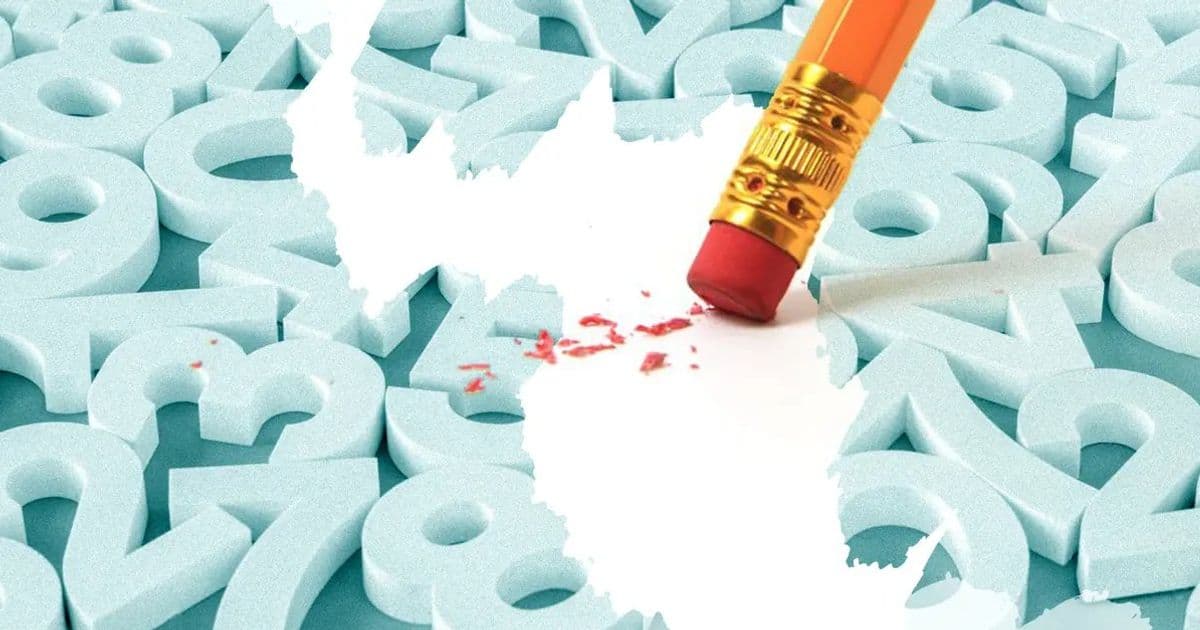

Political interference, shrinking budgets, and declining survey response rates are creating dangerous gaps in U.S. economic data that threaten informed decision-making across industries.
The U.S. economy generates billions of decisions daily based on data collected by 13 major statistical agencies tracking everything from employment to agriculture. But this critical infrastructure is showing dangerous cracks. Political interference, budget cuts, and declining survey participation are creating gaps in the economic data that businesses and policymakers rely on to make informed decisions.
The Three-Headed Crisis in Economic Data
Declining survey response rates represent the first major challenge. Statistical agencies depend on routine surveys of households and companies to construct measures of employment, inflation, and other core indicators. But response rates have plummeted as people increasingly ignore phone calls and door knocks. "People have stopped answering the phone," explains MIT Sloan professor Roberto Rigobon. This creates bias, delays revisions, and weakens the representativeness of key statistics.
Funding constraints compound the problem. Agencies like the Bureau of Labor Statistics and Census Bureau face shrinking budgets that limit their ability to adopt new technologies and expand data collection. In a striking example, the U.S. Department of Agriculture announced in September 2025 that it was halting its "costly" annual survey on food insecurity, eliminating the ability to track household hunger changes across the country.
Political interference represents the third threat. Breaking apart advisory committees, dismissing statistical leaders, and politicizing nominations may not immediately alter data quality, but these actions undermine transparency and credibility. Government shutdowns are particularly damaging—losing one month's worth of data is considerable when you have only 12 months' worth to begin with. "One data point is a lot," Rigobon notes.
Why This Matters for Business Leaders
The consequences of unreliable data extend far beyond academic concerns. Policymakers may misjudge the economy's health, investors may lose confidence in data reliability, and the public may disengage from participating in official measures altogether.
Revisions to government data, once routine and accepted as part of a healthy statistical system, have come under attack. Some characterize these updates as signs of failure or bias, when in reality they represent the system adapting as better information becomes available. "Policymakers may rely on preliminary numbers to act quickly, while investors and analysts turn to revised data for a clearer long-term picture," the authors write. "Far from signaling failure, revisions are a hallmark of a healthy statistical system."
The Private Data Dilemma
As government data becomes less reliable, many businesses are turning to private-sector data sources. While this can provide useful complements to official statistics, private data cannot fully replace government measurements. Private data suffers from coverage gaps—it cannot match the breadth of official surveys, especially for complex measures like employment, inequality, or production in small firms and local markets.
Incentives also create problems. Private data is often produced to meet commercial demand, meaning areas with broad social value may be neglected. Transparency remains another concern, as many providers rely on proprietary methodologies that are rarely disclosed in detail, limiting transparency and making replication difficult.
"A healthy economy benefits from a robust interplay between official and private statistics, each reinforcing the other's credibility and value," the authors conclude.
What Business Leaders Should Do Now
First, use private data cautiously. Recognize its limitations and understand that it cannot fully replace official statistics. Use it as a complement, not a substitute.
Second, speak up about the importance of reliable economic data. The integrity of economic data is an essential component of democratic governance and market stability. Companies should be more vocal about policies that undermine data quality. "It's time for them to stand up and say, 'These policies make no sense,'" Rigobon argues.
Specifically, businesses aren't fully grasping the implications of staying silent on tariffs and other economic policies. "It's a tax on firms, and firms should be more vocal," he says.
The Bottom Line
Reliable statistics require investment, institutional independence, and public trust. Protecting and strengthening the U.S. statistical system isn't just about preserving numbers on a page—it's about safeguarding the ability of policymakers, businesses, and households to make sound decisions based on a shared understanding of economic reality. In an increasingly complex and uncertain economic environment, the cost of unreliable data could be far higher than most businesses realize.
Comments
Please log in or register to join the discussion