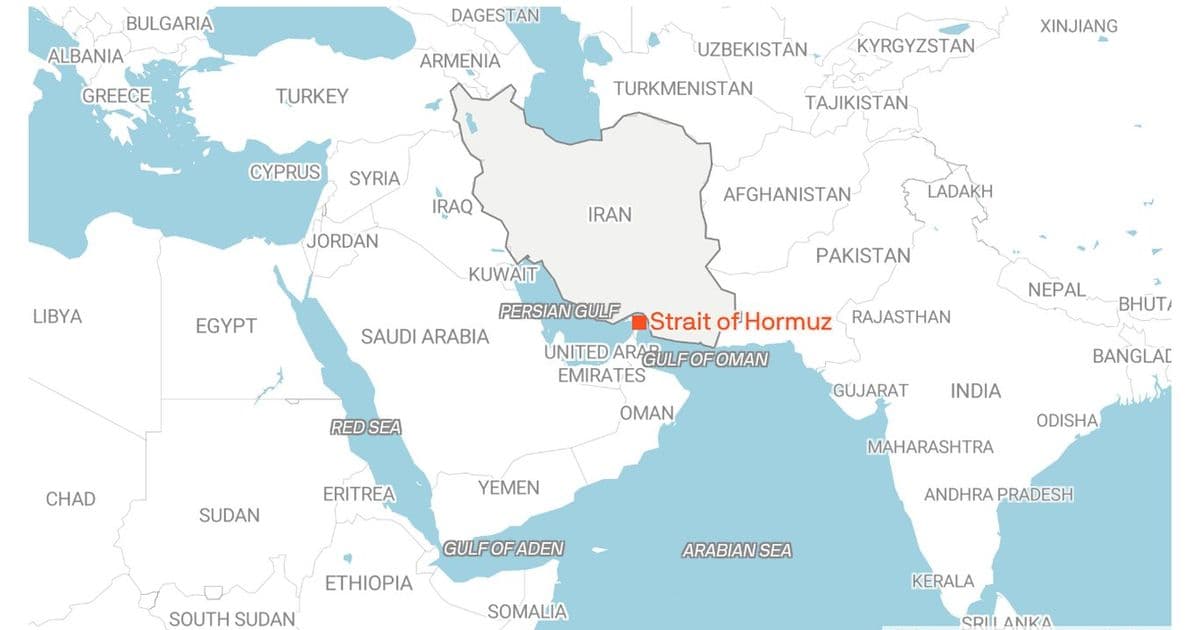
The strategic waterway handles 20% of global oil shipments but presents unique defensive challenges due to its geography, Iran's asymmetric capabilities, and the sheer scale of maritime traffic.
The Strait of Hormuz, a narrow waterway connecting the Persian Gulf to the Gulf of Oman, handles approximately 20% of the world's oil shipments. This makes it one of the most critical maritime chokepoints on the planet. However, its strategic importance is matched by the extreme difficulty of defending it effectively.
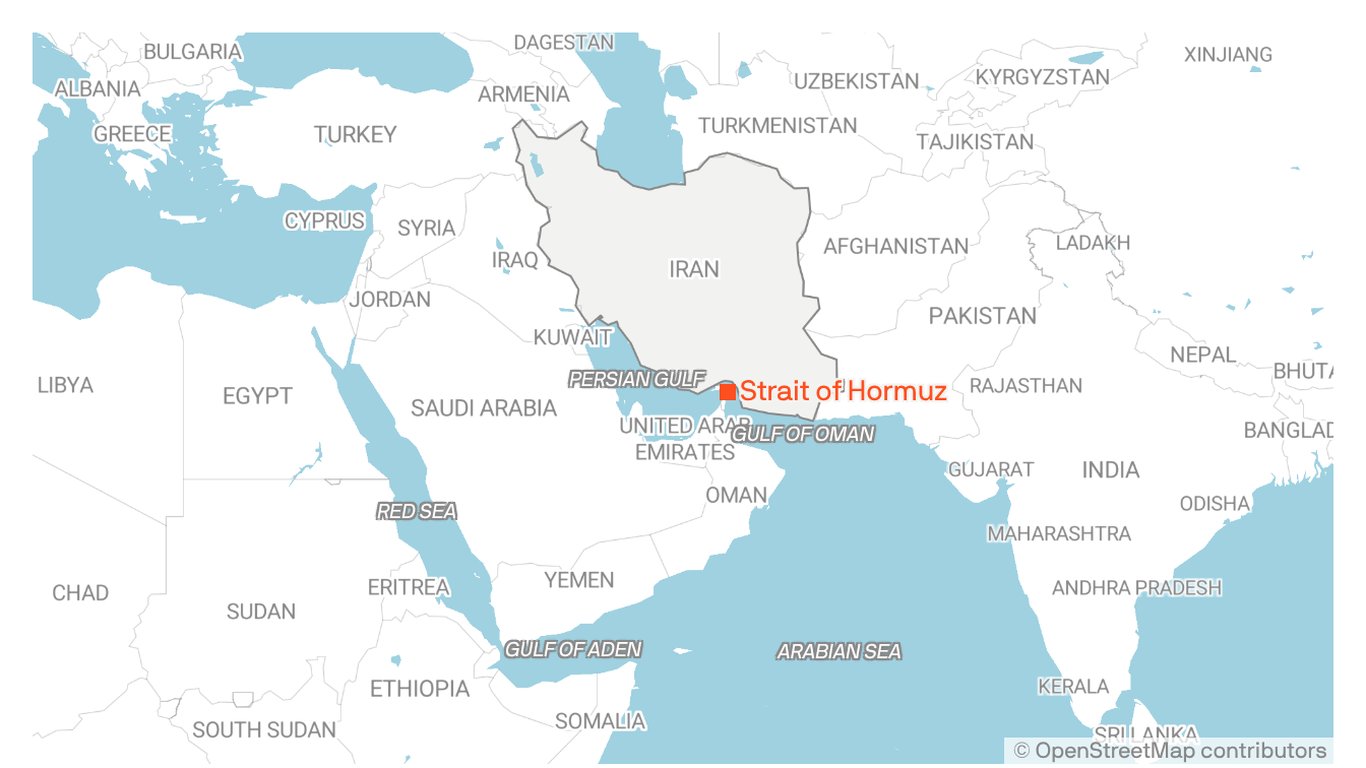
The geography of the strait creates inherent vulnerabilities. At its narrowest point, the waterway is only 21 miles wide, but the actual navigable shipping lanes are just 2 miles wide in each direction. This concentration of maritime traffic through such a confined space makes it nearly impossible to provide comprehensive security coverage.
Iran's military strategy compounds these challenges through what defense analysts call "asymmetric warfare." Rather than matching the U.S. Navy's conventional capabilities ship-for-ship, Iran has invested heavily in:
- Fast attack boats capable of swarming larger vessels
- Anti-ship cruise missiles with ranges up to 300 miles
- Naval mines that can be deployed from small craft
- Small submarines that can operate in shallow waters
- Drones for surveillance and potential attacks
These capabilities allow Iran to threaten shipping without needing to control the entire strait. A handful of mines or a coordinated missile attack could effectively close the waterway, causing global oil prices to spike and creating economic chaos.
The scale of maritime traffic adds another layer of complexity. An average of 21 million barrels of crude oil pass through the strait daily, carried by approximately 20-30 tankers. This volume makes it practically impossible to inspect every vessel or maintain constant surveillance of all potential threats.
International law further constrains defensive options. The strait is considered international waters, meaning that any military action to protect shipping must be carefully calibrated to avoid escalating conflicts or violating sovereignty. This legal framework limits the ability to establish no-go zones or conduct aggressive interdictions.
The U.S. and its allies have developed several defensive measures, including:
- Regular naval patrols by Combined Maritime Forces
- The International Maritime Security Construct, which escorts commercial vessels
- Advanced radar and surveillance systems
- Pre-positioned minesweeping assets
- Cyber capabilities to disrupt Iranian command and control
However, these measures can only mitigate rather than eliminate the risks. The fundamental challenge remains: defending a narrow, heavily trafficked waterway against a determined adversary with numerous low-cost attack options is extraordinarily difficult and expensive.
This defensive dilemma explains why tensions in the region remain so high. Any military confrontation in the strait risks rapid escalation, as both sides understand the catastrophic economic consequences of even a temporary closure. The result is a precarious balance where the threat of conflict serves as a form of mutual deterrence, even as both sides continue to prepare for potential hostilities.
Comments
Please log in or register to join the discussion