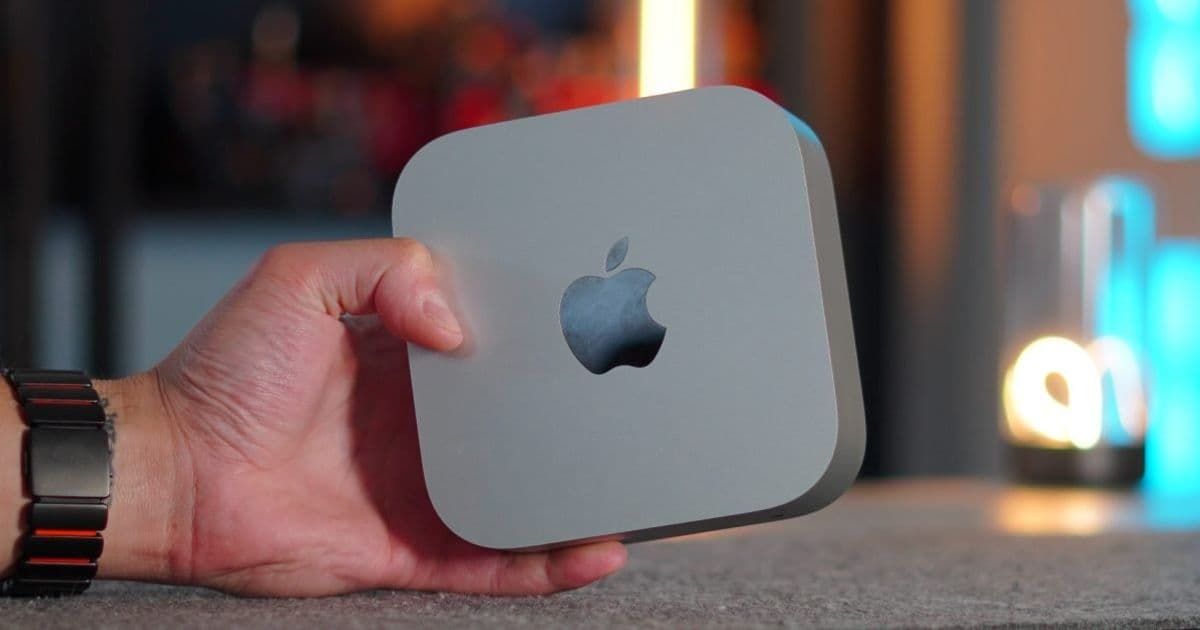
Global memory prices are surging due to AI datacenter demand, but Apple's existing pricing structure may shield users from immediate increases. The real test will come with the M6 Mac family later in 2026.
The computing industry is facing a severe memory shortage, with both DRAM and NAND flash prices skyrocketing due to unprecedented demand from AI datacenter construction. Industry reports indicate memory costs have increased by as much as 400% in recent months, a trend projected to worsen through 2026. This supply crisis directly impacts Apple's Mac lineup, which uses unified memory architecture, raising urgent questions about whether the company will adjust its notoriously high memory upgrade prices.
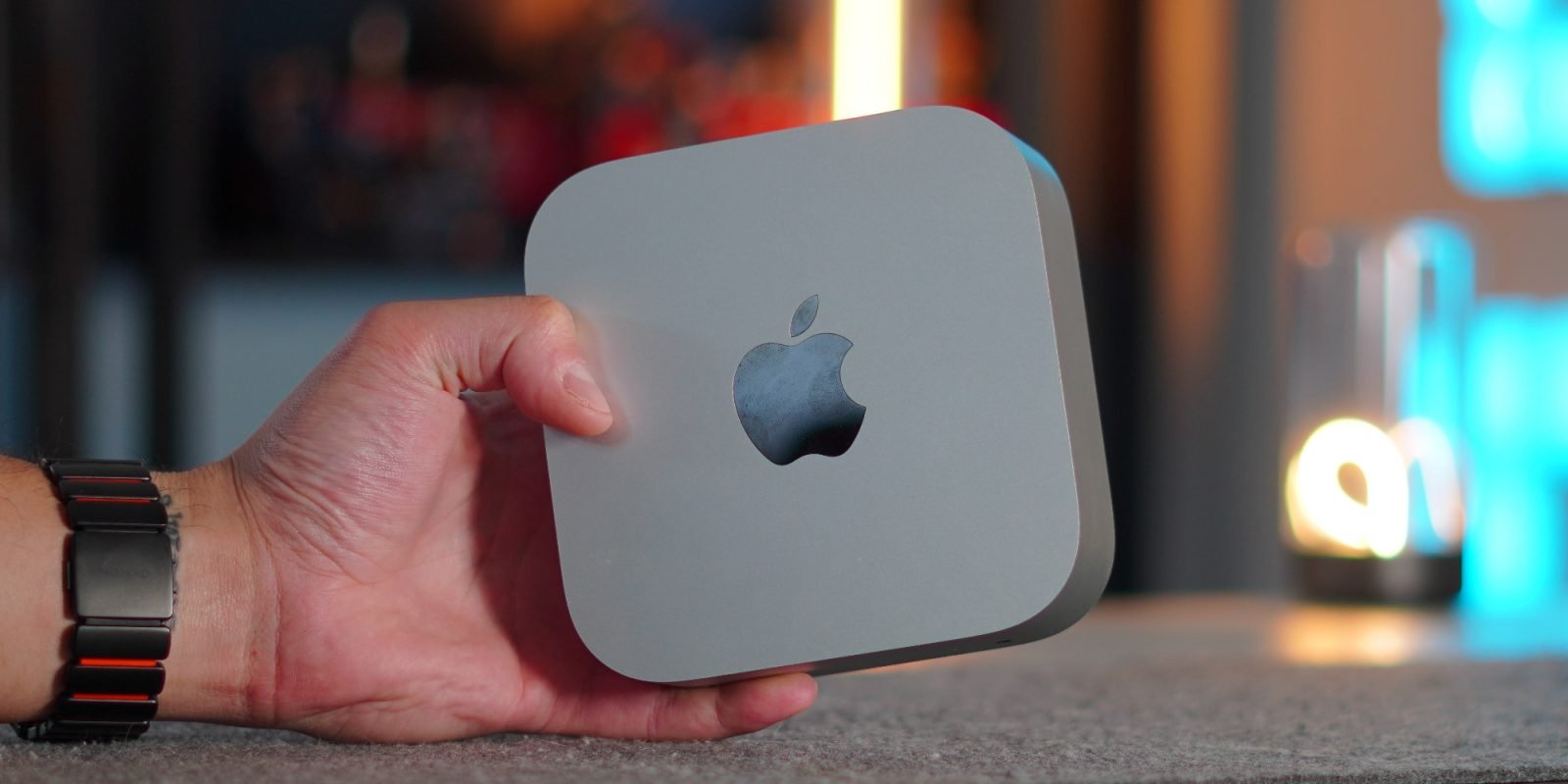
Apple is expected to announce M5 Pro and M5 Max MacBook Pro models in the near future. Historically, the company has used new product launches as the primary opportunity to adjust pricing. However, based on current market conditions and Apple's supply chain practices, an immediate price increase with the M5 generation appears unlikely. The company typically negotiates long-term supply agreements with manufacturers like TSMC and memory suppliers, locking in pricing well before products reach the market. These contracts likely provide a buffer against spot market volatility for the upcoming release cycle.
The financial mathematics behind Apple's memory pricing reveals why they can absorb some cost increases. Currently, upgrading from 16GB to 32GB of unified memory costs $400 across Apple's Mac lineup. For context, a single 16GB DDR5 DIMM sells for approximately $230 at retail, meaning Apple's upgrade fee represents a significant premium over component costs. At the higher end, upgrading from 64GB to 128GB costs $800, while a 64GB DDR5 kit retails for around $700. This narrows the margin considerably, but Apple's vertical integration and bulk purchasing power likely maintain profitability even with current memory prices.
The situation becomes more complex when looking at industry projections. According to CNBC reports citing industry analysis, memory prices are expected to increase approximately 55% by the end of Q1 2026 compared to Q4 2025 levels. If this forecast materializes, Apple's current pricing structure could become unsustainable, particularly for higher-capacity configurations. The company's supply agreements, while protective, may not extend indefinitely, especially as AI companies like Nvidia command greater purchasing power at foundries like TSMC.
This shift in foundry priorities could have cascading effects. TSMC, Apple's primary chip manufacturer, faces overwhelming demand from AI chip producers who can pay premium prices for wafer allocation. While Apple maintains strategic partnerships, their influence may diminish as AI companies spend lavishly on cutting-edge process nodes. Similar dynamics likely affect memory suppliers, where Apple's historical leverage might weaken against cash-rich AI competitors. These factors could force Apple's hand by the time M6 Macs debut, potentially in the summer of 2026.
For developers and professionals relying on high-memory Macs, the calculus is straightforward. If you need substantial memory for development workflows, video editing, or machine learning tasks, purchasing now might be prudent. The current M4 Max 16-inch MacBook Pro with 48GB of memory is available at Amazon for $3,597—a $400 discount from Apple's pricing. This represents a potential hedge against future increases. However, for most users with standard memory requirements, immediate concern seems premature.
Apple has navigated previous supply chain challenges, including tariff threats, without passing costs to consumers. The company's financial reserves and pricing power provide flexibility that smaller competitors lack. That said, memory represents a unique challenge because it's a commodity component where Apple has less control over base costs compared to custom silicon.

The broader context matters for iOS and Android developers considering cross-platform development. Macs serve as the primary development environment for iOS apps, and memory-intensive tasks like running simulators, compiling large codebases, and testing applications benefit from higher RAM configurations. If memory prices increase, it could raise the barrier to entry for indie developers or small teams, potentially affecting the ecosystem's accessibility.
Cross-platform developers using tools like Flutter or React Native might feel this differently. These frameworks often require less memory for development compared to native iOS development with Xcode, but testing across multiple platforms and running emulators still demands substantial resources. The memory price situation could influence development hardware decisions, particularly for developers maintaining apps on both iOS and Android who need capable machines for both ecosystems.
Ultimately, the memory price situation represents a convergence of macroeconomic forces and Apple's specific business model. While the M5 Macs may escape price increases due to pre-negotiated contracts, the M6 generation faces greater uncertainty. The company's decision will balance multiple factors: maintaining profit margins, preserving market share, and managing customer expectations during a period of industry-wide supply constraints.
For now, Apple's existing memory pricing already incorporates substantial margins, providing a buffer against moderate cost increases. However, if industry projections hold and memory prices surge another 55%, the company may have no choice but to adjust pricing for the M6 family. This would mark a significant shift from Apple's recent pricing strategy, where memory upgrades have remained stable despite component cost fluctuations.
Developers and professionals should monitor Apple's announcements closely, particularly for the M6 generation. While immediate action may not be necessary, understanding the supply dynamics helps inform long-term hardware planning decisions. The memory market's volatility serves as a reminder of how external factors beyond Apple's control can influence the cost of professional development tools, potentially reshaping the economics of mobile app development in 2026 and beyond.
Comments
Please log in or register to join the discussion