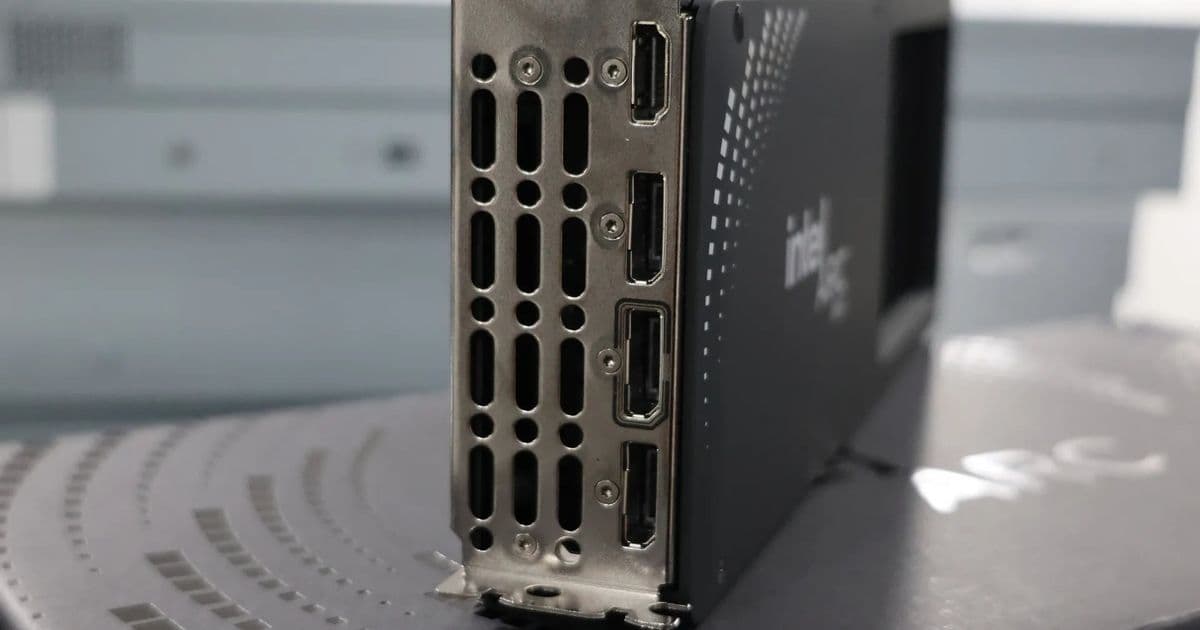
Intel has posted new kernel graphics driver patches for Linux to enable Adaptive Sync SDP handling for Panel Replay and Auxless Adaptive Link Power Management modes, improving VRR support with DisplayPort adapters.
Intel has released new kernel graphics driver patches for Linux that significantly enhance Adaptive Sync support, particularly around handling Secondary Data Packets (SDP) for Panel Replay and Auxless Adaptive Link Power Management (ALPM) modes. The patches, posted by Intel software engineer Ankit Nautiyal, build upon work that began in early 2024 to improve Adaptive Sync/Variable Refresh Rate (VRR) functionality when using DisplayPort adapters and protocol converters.
Technical Improvements to Adaptive Sync SDP
The latest patch series focuses on enabling Adaptive Sync SDP for Panel Replay with Link ON and with auxless ALPM (Link-Off) modes. According to Nautiyal, the changes include several key components:
- Initial fixes to existing Adaptive Sync SDP enablement
- Support for sending AS SDP during Panel Replay with Link ON
- Support for AS SDP transmission with auxless ALPM (Link-Off)
- Clean-up of drm/dp macros
- Addition of new DPCD bits for FAVT PAYLOAD FIELDS PARSING SUPPORT
- Integration of AS SDP version and PR/VRR specific bits in drm_dp.h
- Modified AS SDP compute configuration to accommodate PR with Link On and Link Off
- Programming of Downspread Ctrl DPCD bits
- Implementation of T1 and T2 AS SDP transmission timing/position
The patches are currently under review and represent Intel's ongoing commitment to improving open-source graphics driver functionality on Linux platforms.
VRR Support Limitations
One notable aspect of the patch series is Intel's continued limitation regarding Variable Refresh Rate support with HDMI. The patches explicitly confirm that the Intel Linux driver still does not support VRR with HDMI 2.1. This limitation appears to stem from the "ongoing mess with the HDMI Forum," suggesting ongoing compatibility or licensing challenges with HDMI VRR implementation.
Branch Device Considerations
The patches also address handling of non-MST DP branch devices, noting that only an HDMI 2.1 sink connected via a protocol converter could potentially support VRR. However, implementing this support would require "non-trivial changes that are not implemented yet." As a result, the patches avoid VRR on all DP branch devices until more comprehensive support can be developed.
Context and Impact
These improvements come as part of Intel's broader efforts to enhance the open-source Linux graphics driver experience. Adaptive Sync technology, which allows displays to match their refresh rates to the content being displayed, is crucial for smooth gaming and video playback experiences. The enhanced SDP handling should improve compatibility with various DisplayPort adapters and protocol converters, making Variable Refresh Rate more reliable across different hardware configurations.
For Linux users with Intel graphics hardware, these patches represent incremental but meaningful improvements to display technology support. As the patches move through review and eventual integration into the mainline kernel, users can expect better Adaptive Sync behavior, particularly in scenarios involving power management features like auxless ALPM and Panel Replay modes.
The ongoing development of Intel's open-source graphics drivers continues to demonstrate the company's commitment to the Linux ecosystem, with regular improvements addressing both performance and compatibility concerns for users of Intel graphics hardware.
Comments
Please log in or register to join the discussion