A new open-source project recreates Windows 8's controversial interface for Linux users, sparking debate about its legacy while offering a functional alternative for enthusiasts.

A surprising trend is emerging in Linux desktop customization circles: the deliberate revival of Windows 8's much-debated interface. The Win8DE project offers a functional recreation of Microsoft's polarizing 2012-era operating system interface, targeting users who miss its distinctive design language but can't run the original OS on modern hardware.
Developed as a shell for Wayland compositors like LabWC and Hyprland, Win8DE meticulously replicates key elements of the Windows 8 experience:
- Start Screen Implementation: The signature tile-based interface returns with drag-and-drop customization, live tile resizing (small/medium/large/x-large), and app search functionality

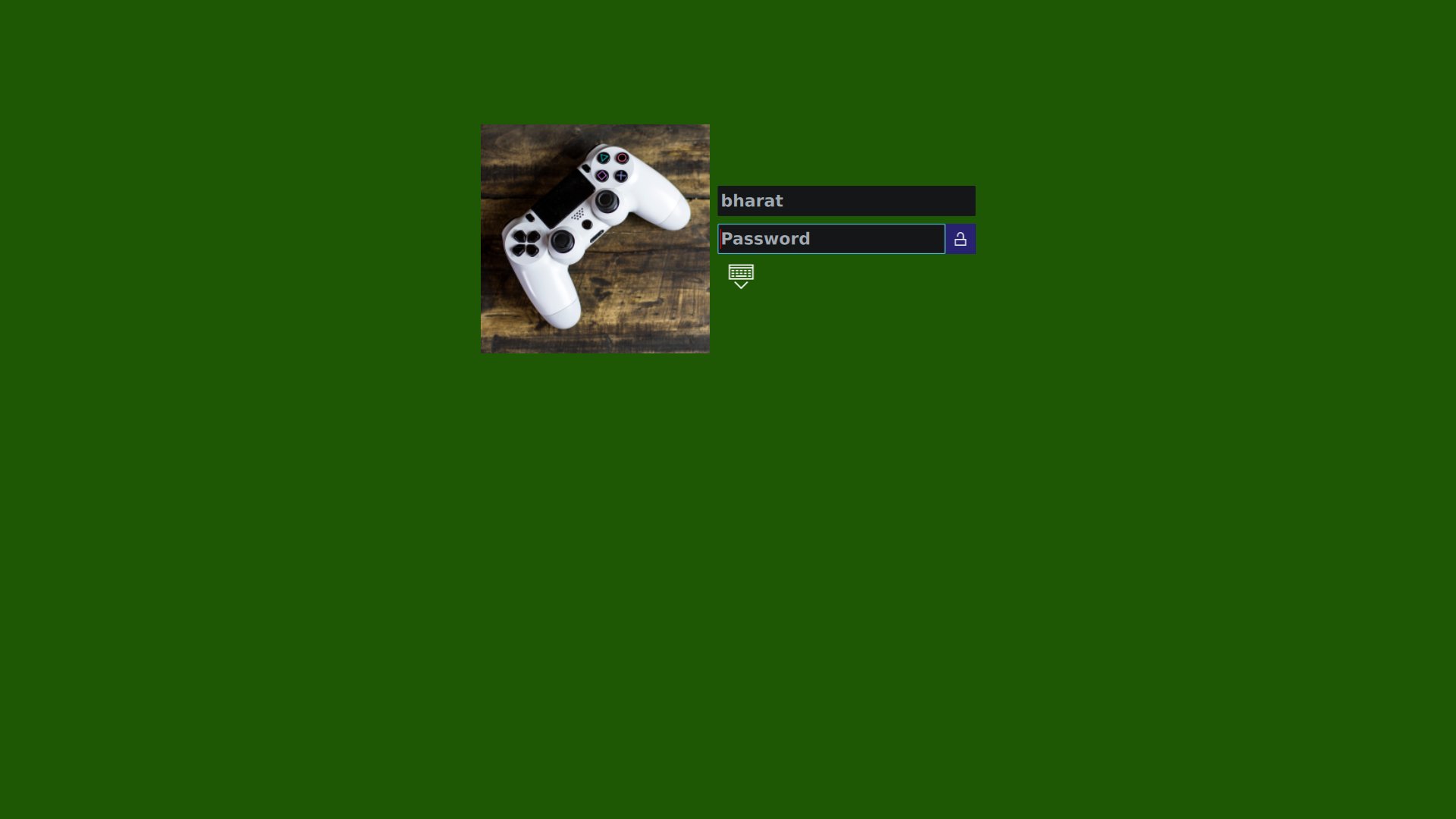
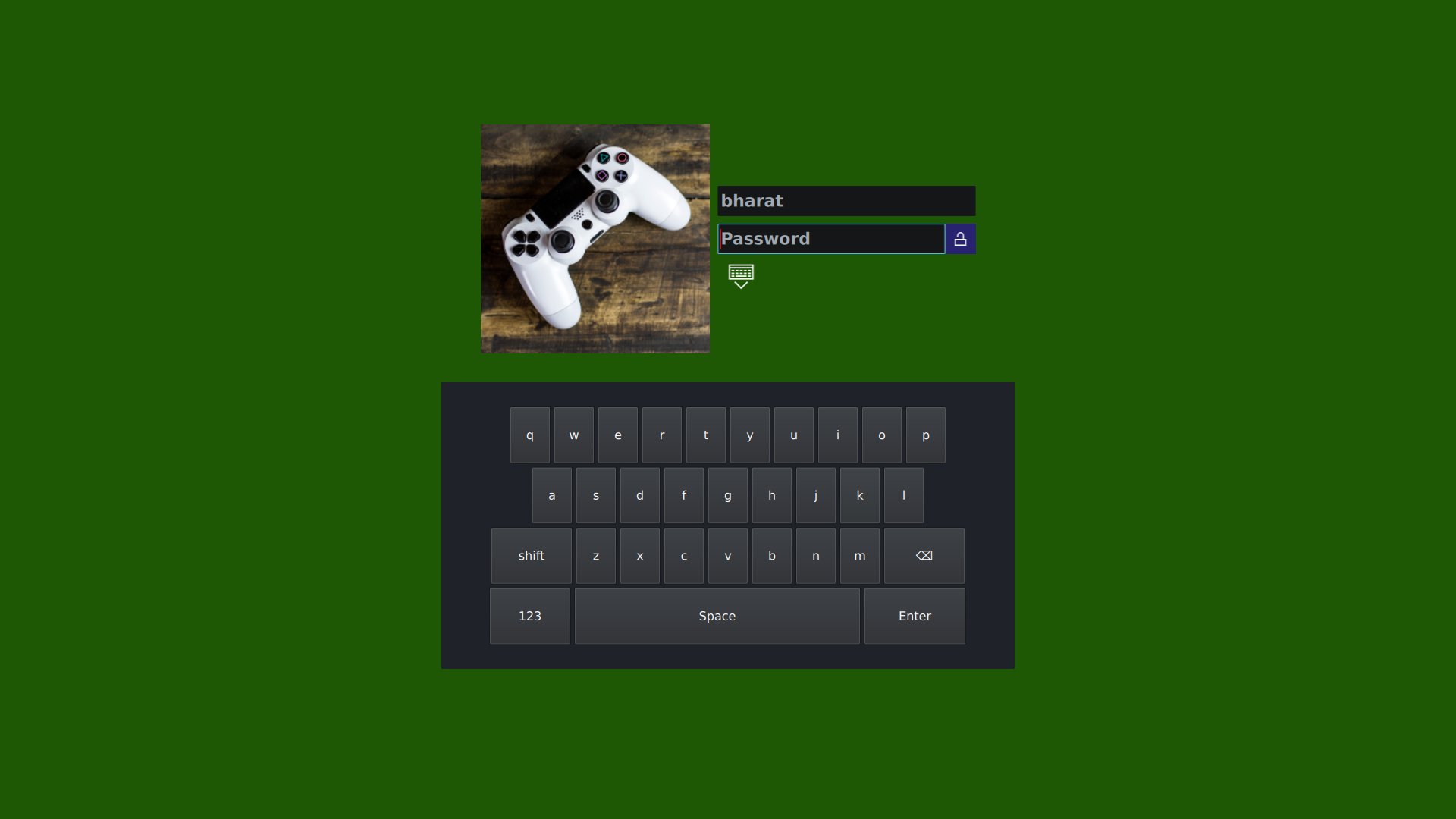
- Signature Lock Screen: The downward-sliding authentication panel requiring only a click (not drag) to unlock
- System Controls: Volume/brightness OSD overlays matching Windows 8's visual language
- Visual Customization: Coordinated wallpaper and accent color settings across lock screen, start menu, and desktop
Notably absent is the Charms bar, which the developer explicitly describes as "useless" - reflecting the selective curation of Windows 8's most contentious elements.
 The installation process offers both local builds and system-wide installation via shell scripts
Technical implementation reveals thoughtful design decisions. Win8DE operates as a separate session, preserving existing desktop configurations while adding the Windows 8 interface layer. The architecture separates components like the OSD server/client model, requiring specific autostart configurations documented in the project's GitHub repository.
Community Reactions and Counterpoints
This project surfaces conflicting perspectives about Windows 8's legacy. Proponents praise the recreation of its fluid animations and cohesive touch-oriented design language, especially valuable given Microsoft's own abandonment of the interface. Critics counter that Win8DE resurrects an interface paradigm fundamentally rejected by users during Microsoft's era - citing the jarring desktop/tablet hybrid approach and removal of the traditional Start menu as historically unpopular decisions.
Practical limitations also emerge:
- Hardware compatibility issues prevent running original Windows 8 on modern systems
- App compatibility problems with legacy Windows software
- The project's current lack of charms bar functionality
- Requirement to manually configure session files for Wayland compositors
Despite these constraints, Win8DE represents a fascinating case study in interface nostalgia. It demonstrates how even commercially unsuccessful designs can develop dedicated followings when freed from corporate development constraints. The project's selective implementation - keeping the fluid visuals while discarding universally panned elements like the charms bar - reflects a nuanced approach to interface revival.
For Linux users seeking unconventional desktop experiences or Windows 8 enthusiasts wanting modern hardware support, Win8DE offers a uniquely specialized solution. Its existence underscores how open-source ecosystems can preserve and refine interface concepts abandoned by their original creators, regardless of their commercial reception.
Comments
Please log in or register to join the discussion