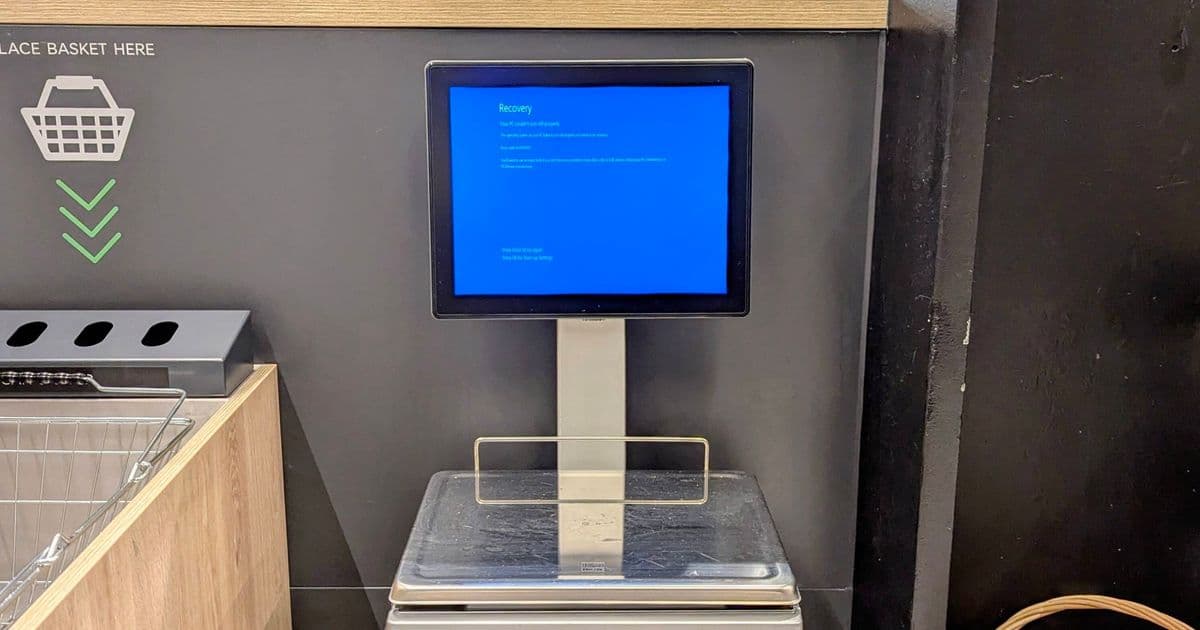
A Windows-based produce scale at a UK supermarket has crashed, displaying a recovery screen instead of weighing vegetables, highlighting the ongoing debate about using general-purpose operating systems for single-function retail devices.
A customer at a Marks & Spencer store in the West Midlands encountered an unexpected sight in the produce section: a self-service scale meant for weighing fruit and vegetables had instead booted into a Windows recovery environment, displaying an error code and offering system repair options. The incident, captured by a Register reader, shows a screen with the error code 0xc0000001, which typically indicates a disk-related issue during the boot process, suggesting the device failed to start properly and entered recovery mode.
This scenario illustrates a common tension in retail technology deployment. While Microsoft Windows is a versatile operating system capable of powering everything from personal computers to servers, its use in single-purpose devices like grocery scales introduces complexity and potential points of failure. A scale requires a simple, reliable system to perform one task accurately: measuring weight. Using a full-featured OS like Windows means the device must handle boot processes, drivers, background services, and potential software updates—elements that are unnecessary for the core function and can lead to the kind of catastrophic failure seen here.
The error code 0xc0000001 is a Windows-specific code, often associated with boot device issues. In this context, it likely means the scale's internal storage encountered a problem during startup, preventing the weighing application from loading. The recovery screen offers options like "Continue to Windows 10," "Use a device," or "Troubleshoot," which are standard Windows recovery tools. However, as the article notes, it's unlikely that a typical shopper would carry a USB recovery disk or keyboard to interact with this interface, rendering the scale useless until a technician intervenes.
The device in question appears to be running Windows 10, which entered end-of-life for most editions in 2025. While some versions may still receive Extended Security Updates, this incident raises questions about the long-term viability of using legacy operating systems in commercial settings. Retailers like Marks & Spencer might opt for Extended Security Updates to maintain compliance and security, but this adds cost and complexity without addressing the fundamental mismatch between the OS and the device's purpose.
This isn't an isolated concern. The broader trend of using general-purpose operating systems for embedded or single-function devices has been criticized for years. In retail, point-of-sale systems, self-checkout kiosks, and inventory scanners often run Windows, despite the availability of more lightweight, purpose-built alternatives. These alternatives could be based on Linux distributions, real-time operating systems, or even custom firmware, which would reduce the attack surface, minimize boot times, and eliminate unnecessary features that can introduce bugs or security vulnerabilities.
The incident also touches on the human element in retail technology. The article suggests that perhaps "today's bork points more to a need for the human touch," implying that automated systems, when they fail, can disrupt the shopping experience more than a simple, manual scale would. In an era where retailers are pushing self-service options to reduce labor costs, reliability becomes paramount. A scale that crashes into a Windows recovery screen undermines that reliability and could drive customers back to traditional checkout lanes or even to competitors.
For retailers considering similar deployments, the lesson is clear: evaluate the total cost of ownership, not just the initial purchase price. A Windows-based device may seem familiar and easy to integrate with existing IT infrastructure, but the long-term costs of maintenance, updates, and downtime can outweigh those benefits. Simpler, more robust solutions tailored to the specific task often provide better reliability and lower total cost of ownership.
In summary, this incident serves as a practical case study in technology selection for retail environments. It demonstrates how using an overpowered operating system for a simple task can lead to unnecessary complexity and failure. Retailers should consider specialized solutions that match the device's function, ensuring reliability and a better customer experience.
For more information on Windows recovery errors and troubleshooting, see the Microsoft support article on boot error codes. To explore lightweight alternatives for embedded systems, the Linux Foundation's embedded Linux resources provide a starting point for understanding open-source options.
Comments
Please log in or register to join the discussion