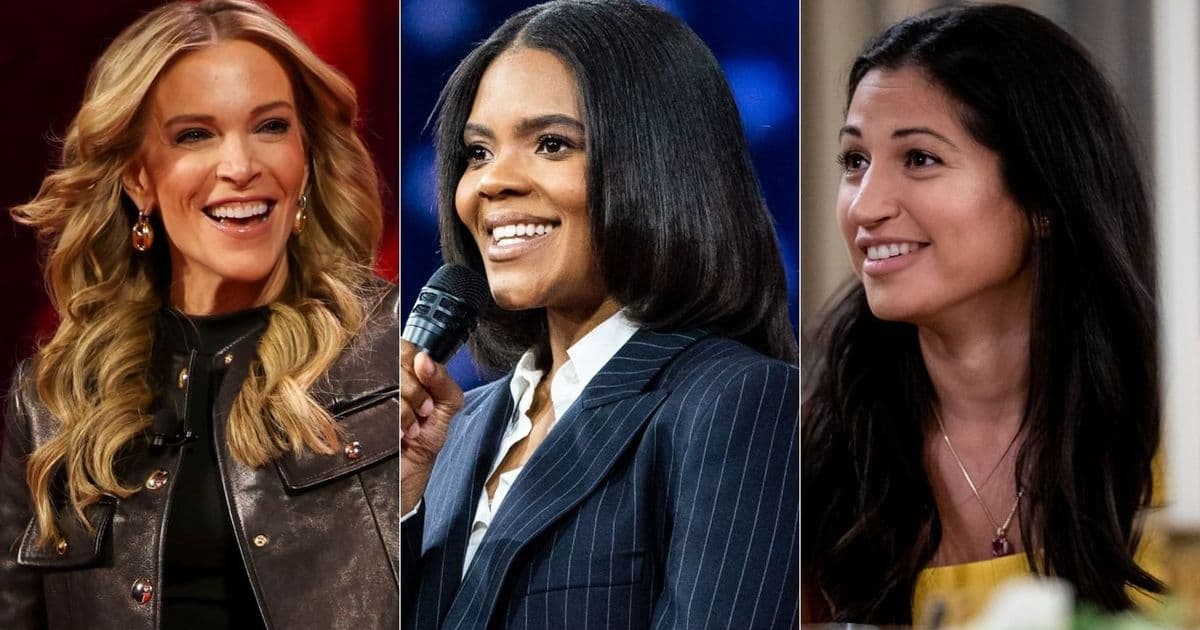
Conservative women are increasingly dominating right-wing media while male influencers criticize Trump's policies, creating a significant shift in MAGA messaging and audience engagement.
Conservative women are rapidly gaining influence in right-wing media, while male influencers in the "manosphere" are increasingly critical of Trump's policies, creating a significant shift in the MAGA movement's messaging and audience engagement.
The Changing Face of MAGA Media
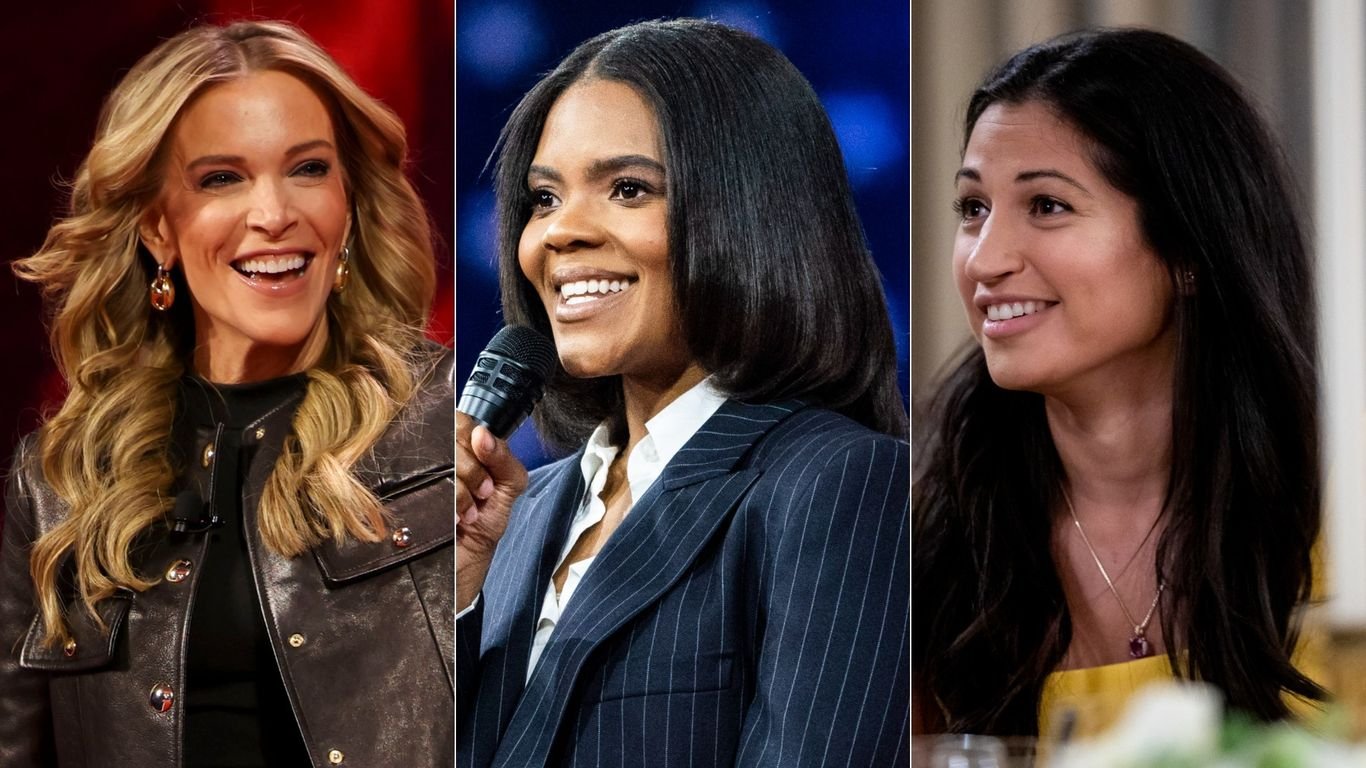
The right-wing media landscape is experiencing a dramatic transformation. Women like Megyn Kelly, Candace Owens, and Katie Miller are now commanding massive audiences and shaping the conservative narrative in ways that differ substantially from traditional MAGA messaging.
These women have built substantial media empires through podcasts, social media platforms, and television appearances. Megyn Kelly's podcast regularly attracts millions of listeners, while Candace Owens has leveraged her social media following to become one of the most influential voices in conservative media. Katie Miller, formerly of the Trump administration, has also emerged as a prominent commentator and media personality.
The Manosphere Backlash
Simultaneously, male influencers within the "manosphere" - a network of online communities focused on masculinity, dating, and anti-feminist ideologies - have begun criticizing Trump's policies and leadership style. These influencers argue that Trump's administration has not delivered on promises to address men's issues and has instead pandered to female voters.
Prominent manosphere figures have taken to platforms like X (formerly Twitter), YouTube, and alternative social networks to voice their discontent. They criticize everything from Trump's handling of gender-related policies to his administration's approach to family law and education reform.
Audience Demographics and Engagement
This shift has significant implications for audience demographics and engagement patterns. Conservative women's media tends to attract older, more established audiences who are interested in policy discussions and cultural commentary. In contrast, manosphere content typically draws younger male viewers who are more focused on social dynamics and identity politics.
The divergence in audience preferences is creating a fragmented conservative media ecosystem. While traditional MAGA messaging focused on broad themes like economic nationalism and immigration reform, the new landscape is characterized by more specialized content targeting specific demographic groups.
Financial Implications
From a business perspective, this shift has substantial financial implications. Women-led conservative media operations are attracting significant advertising revenue and sponsorship deals. Companies looking to reach conservative audiences are increasingly turning to these female influencers, who often have more mainstream appeal than their male counterparts in the manosphere.
Podcast networks, streaming platforms, and social media companies are also taking notice. Deals for exclusive content, production partnerships, and platform features are being negotiated at unprecedented rates, with conservative women media personalities commanding premium rates.
Platform Dynamics
The platform landscape is also evolving. While manosphere influencers have traditionally relied on alternative platforms that promise less content moderation, conservative women are finding success on mainstream platforms like YouTube, Spotify, and even traditional television networks.
This divergence in platform strategy reflects different approaches to audience building and monetization. Conservative women are often able to navigate mainstream platform policies more effectively, while manosphere figures frequently face deplatforming or content restrictions.
What This Means for the MAGA Movement
The rise of conservative women in media and the simultaneous criticism from the manosphere represents a significant challenge for the MAGA movement. It suggests a potential realignment of conservative messaging and priorities, with different factions competing for influence and audience share.
This fragmentation could have implications for future elections, policy advocacy, and the overall direction of conservative politics in America. As different voices compete for dominance, the unified message that characterized the early Trump era may become increasingly difficult to maintain.
Looking Ahead
As we move forward, the competition between conservative women media figures and manosphere influencers will likely intensify. Both groups are investing heavily in content production, audience growth, and platform development.
The outcome of this competition will shape not only the future of conservative media but also the broader political landscape in America. Whoever controls the megaphone will have significant influence over the direction of the MAGA movement and conservative politics more broadly.
Comments
Please log in or register to join the discussion