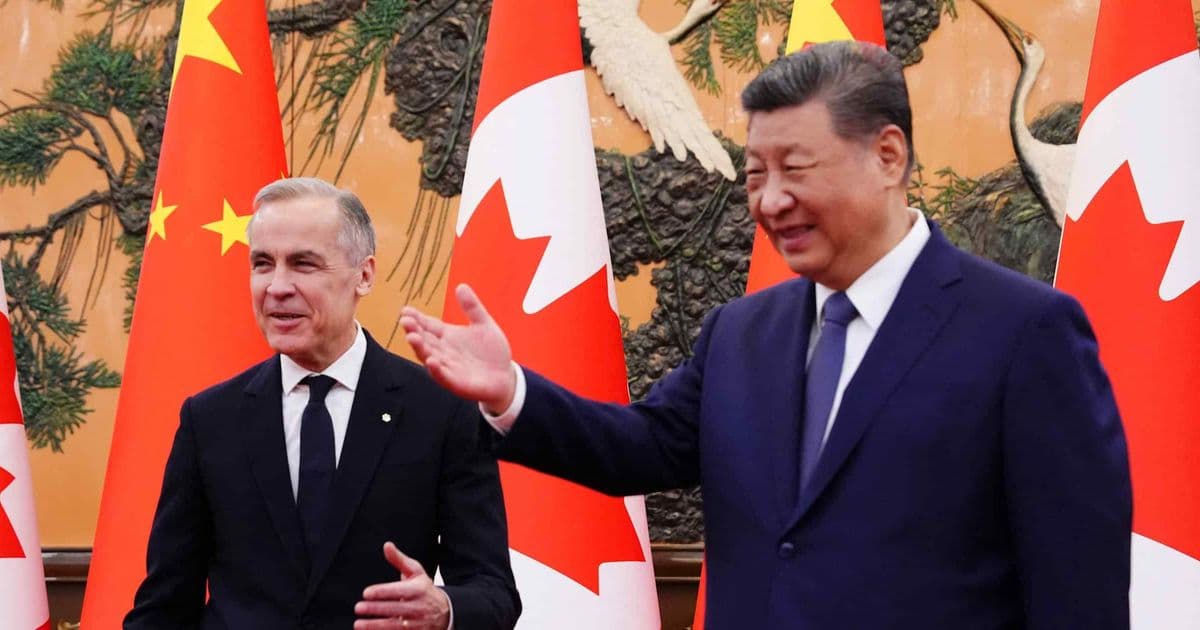
Canada and China reset trade relations with tariff relief on electric vehicles and expanded cooperation in energy and technology, signaling a diplomatic warming amid ongoing US friction.
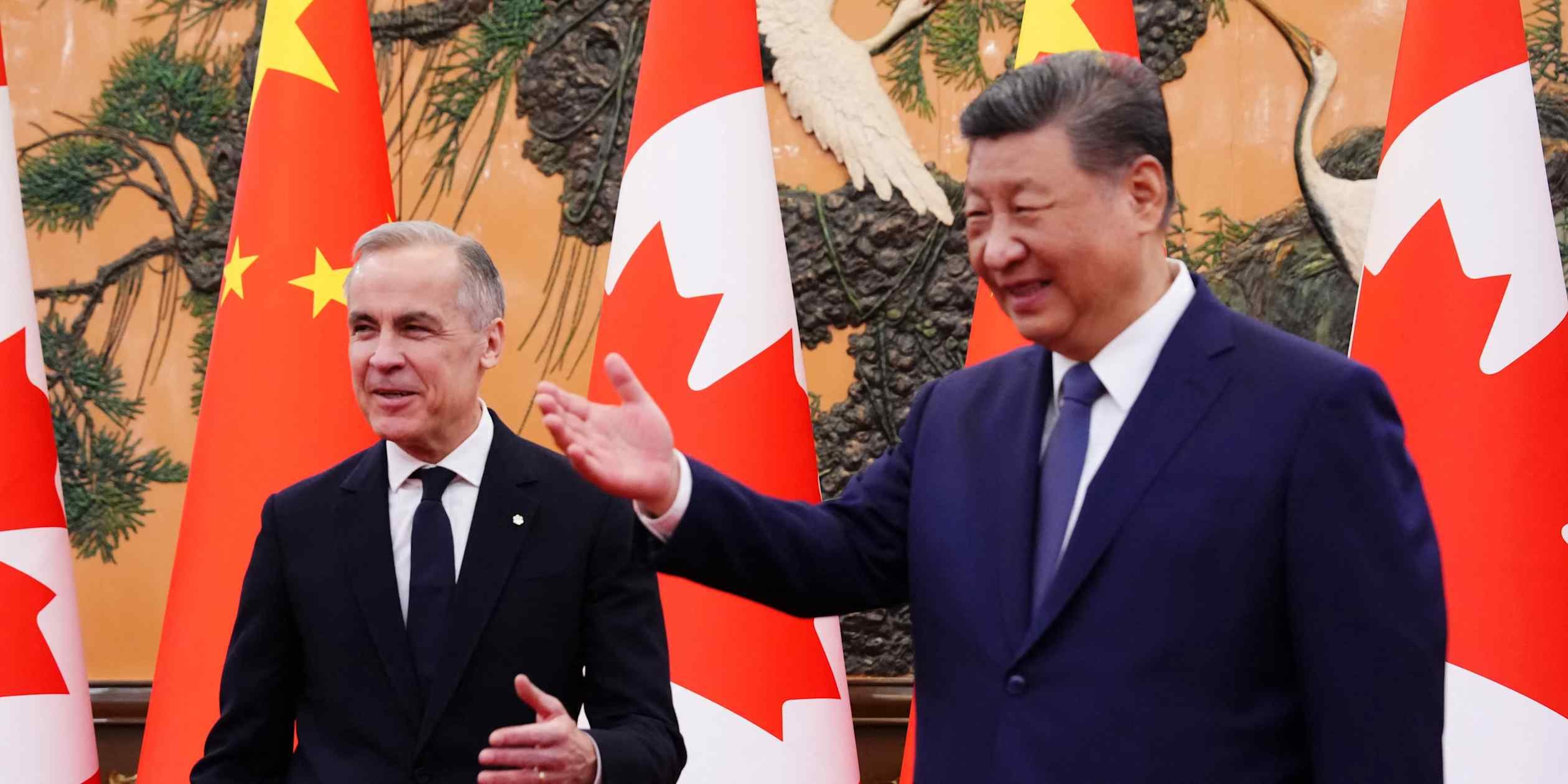
Canadian Prime Minister Mark Carney and Chinese President Xi Jinping have initiated a significant thaw in bilateral relations, culminating in Canada's decision to lift tariffs on Chinese electric vehicles and expand technological cooperation. The Friday meeting in Beijing marks a strategic pivot after years of diplomatic strain between the two nations.
The breakthrough includes concrete trade concessions, notably Canada removing import barriers against Chinese EVs. This move comes despite vocal opposition from Washington, which recently warned Ottawa against such market access. The two leaders also committed to deepening collaboration across energy, agricultural technology, and critical minerals sectors – areas where both nations seek supply chain diversification.
Diplomatic relations between Canada and China reached a low point following the 2018 arrest of Huawei CFO Meng Wanzhou in Vancouver and China's subsequent detention of two Canadian citizens. The newly announced partnership represents a deliberate effort to move beyond these tensions, with Xi specifically advocating for a "new type of strategic partnership" during the talks.
Energy cooperation emerged as a centerpiece, with both countries agreeing to accelerate joint development of renewable technologies and critical mineral processing. This aligns with Canada's efforts to position itself as a green energy supplier and China's pursuit of stable raw material sources for its manufacturing sector.
The EV tariff decision carries significant commercial implications. Chinese manufacturers gain access to Canada's growing electric vehicle market, while Canadian automakers secure reciprocal reductions on components exported to China. This creates opportunities for technology transfer but also raises competitive concerns for North American EV producers.
Observers note the timing coincides with heightened US-China trade frictions. By strengthening ties with Beijing, Canada demonstrates independent trade policy while diversifying economic relationships beyond its southern neighbor. The reset includes plans for ministerial-level working groups on technology standards and agricultural innovation, signaling institutional commitment beyond symbolic diplomacy.
Market analysts anticipate immediate effects on North American EV pricing and supply chains, while diplomats watch whether this détente can withstand ongoing human rights disagreements and geopolitical pressures. The partnership's durability will depend on tangible implementation of the announced cooperation frameworks in the coming months.
Comments
Please log in or register to join the discussion