Chinese President Xi Jinping’s first trip to North Korea since 2019, the launch of the FIFA World Cup with Asian teams under pressure from broadcasters, and India’s upcoming inflation data highlight shifting geopolitical ties, media‑rights economics and macro‑policy risks across the region.
Business news
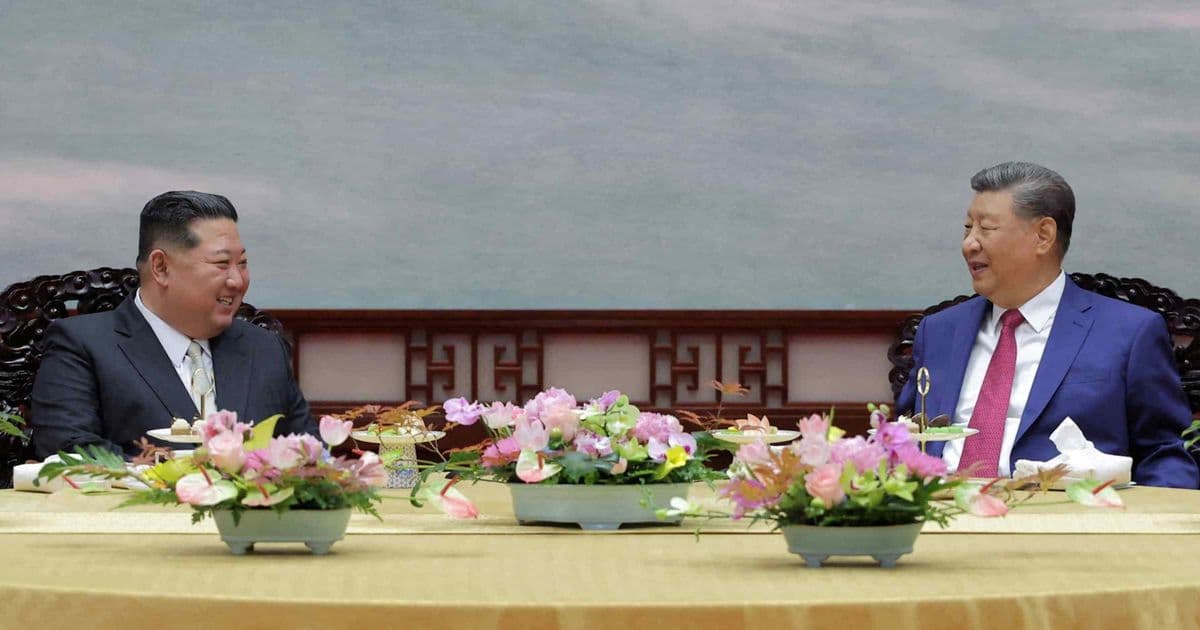
Chinese President Xi Jinping arrived in Pyongyang on Monday for a two‑day state visit, the first by a Chinese leader since 2019. The trip coincides with the 65th anniversary of the China‑North Korea friendship treaty and follows a series of high‑profile meetings Xi has held with U.S. President Donald Trump and Russian President Vladimir Putin. While the itinerary was low‑key, the symbolism is clear: Beijing is positioning itself as the primary diplomatic conduit for the isolated regime, a role that could translate into deeper trade ties and joint infrastructure projects.
The FIFA World Cup kicked off on Thursday in Mexico City, with co‑hosts the United States and Canada joining Mexico and several Asia‑Pacific nations—Japan, South Korea, Australia, New Zealand and Uzbekistan—in the group stage. Broadcasters across the region have already voiced concerns over soaring rights fees, late kick‑off times that clash with prime‑time viewing, and a shift among younger audiences toward streaming platforms. Lenovo, a Chinese tech firm, is leveraging its official sponsorship to demo its latest artificial‑intelligence chips on the global stage, hoping the exposure will offset the high cost of the rights package.
In India, inflation data are due on Friday. Analysts expect the consumer‑price index to edge higher, pressured by rising fuel costs and a potentially weak monsoon that could tighten food prices. The Finance Ministry warned that a sharp uptick would strain household spending and could force the Reserve Bank of India to reconsider its accommodative stance, which currently targets a 4 % inflation rate.
Market context
China‑North Korea trade: Preliminary figures from the Ministry of Commerce suggest bilateral trade reached $3.2 billion in the first quarter, up 12 % year‑on‑year. If Xi’s visit yields new agreements on energy and infrastructure, the trade corridor could expand by another 5‑7 % annually, providing Pyongyang with much‑needed hard currency while giving Chinese firms a foothold in a market with virtually no competition.
World Cup rights: The Asian broadcast consortium paid an average of $250 million per tournament, a 30 % increase from the 2018 edition. With live‑stream subscriptions now accounting for 45 % of total viewership in the region, broadcasters are renegotiating contracts to include digital‑only packages, a move that could reshape revenue streams for future events.
India’s inflation trajectory: Core CPI is projected at 5.3 %, above the RBI’s 4 % target band. A sustained breach could trigger a policy response similar to the 2023 rate hike of 0.5 percentage points, which lifted the repo rate to 6.5 %. Market participants are already pricing a 10‑basis‑point increase into the Indian bond market, pushing the 10‑year yield to 7.2 %.
What it means
Geopolitical leverage for Beijing – Xi’s Pyongyang trip underscores China’s willingness to fill the diplomatic vacuum left by the United States. A deeper economic partnership could reduce North Korea’s reliance on illicit channels, but it also raises sanctions‑risk concerns for multinational firms operating in the region.
AI exposure through sport – Lenovo’s World Cup activation is a test case for how hardware manufacturers can use global events to showcase AI capabilities. Success could accelerate sales of its Legion AI laptops and data‑center accelerators, especially in markets where AI‑driven productivity is a selling point.
Policy tightening in India – If inflation spikes, the RBI is likely to resume its rate‑hiking cycle, which would increase borrowing costs for corporates and dampen consumer credit growth. Investors should monitor the Wholesale Price Index and monsoon forecasts as leading indicators of price pressure.
Broadcasting model shift – The pushback from Asian broadcasters signals a broader industry transition toward hybrid rights packages that blend linear TV with over‑the‑top (OTT) services. Companies that can offer flexible, data‑rich streaming solutions stand to capture a larger share of future sports‑media revenue.
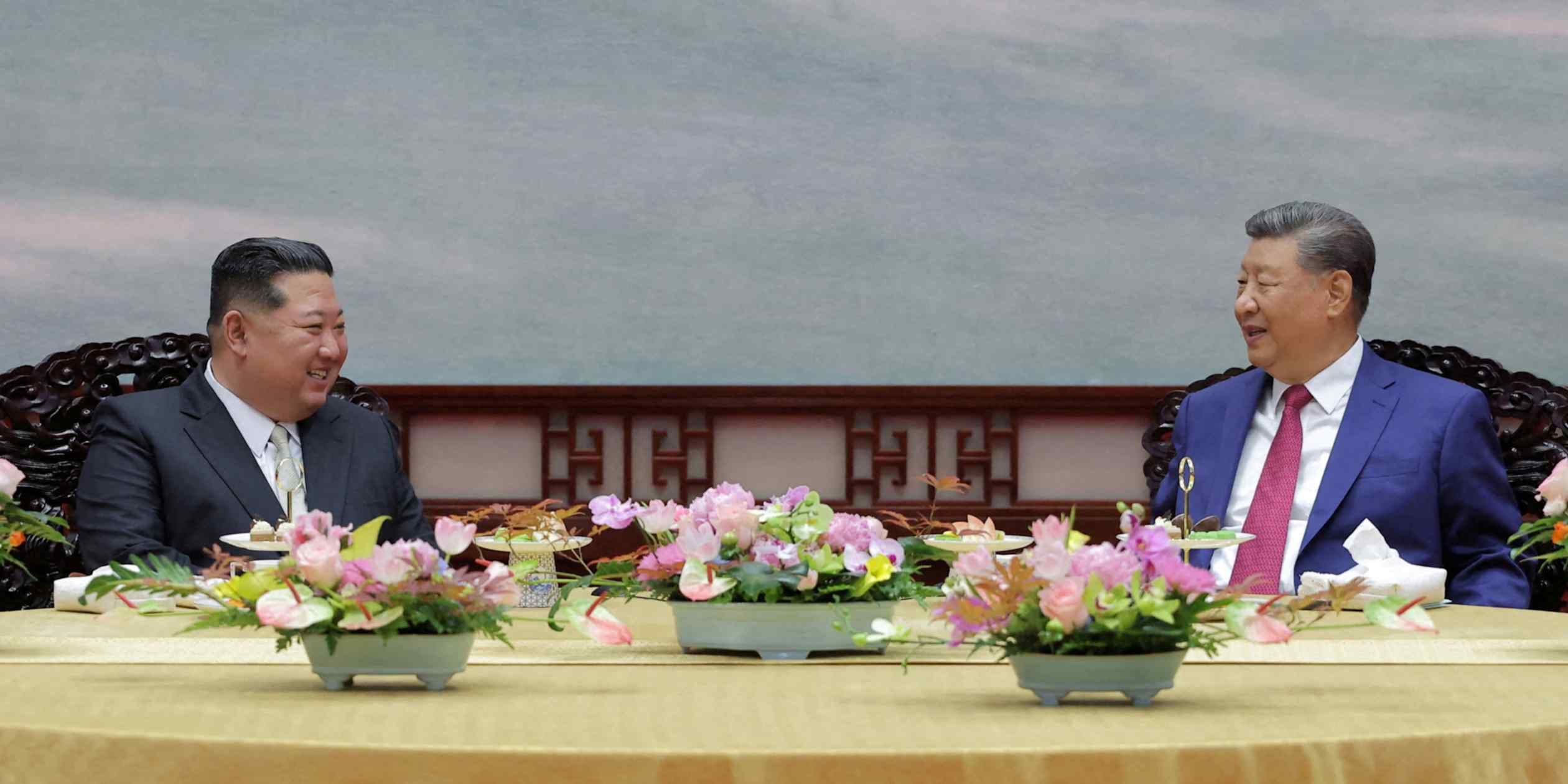
The image shows North Korean leader Kim Jong Un and Chinese President Xi Jinping meeting in Beijing, highlighting the diplomatic significance of Xi’s visit.
Key numbers to watch
- China‑North Korea trade Q1 2024: $3.2 bn (12 % YoY)
- Asian World Cup broadcast rights average: $250 m per tournament
- Expected India CPI (May): 6.8 % YoY, core CPI 5.3 %
- RBI repo rate: 6.5 % (current), potential hike +0.1 %
Staying ahead of these trends will be crucial for investors and corporations navigating Asia’s intertwined political and economic currents.
Comments
Please log in or register to join the discussion