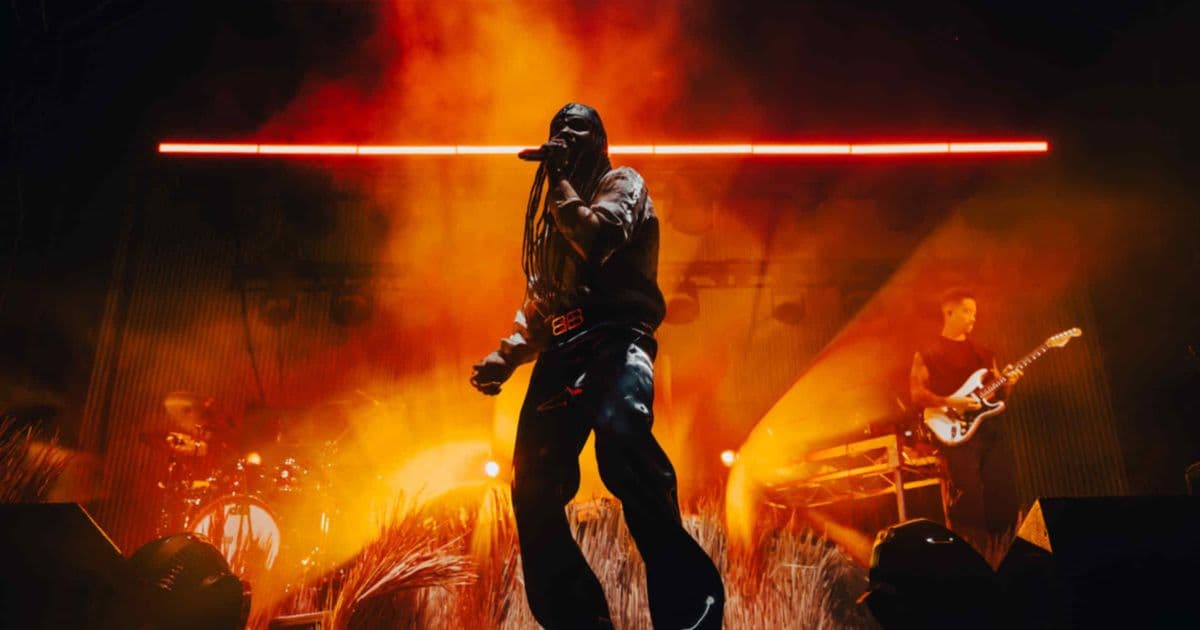
The Dark Mofo festival, Tasmania’s flagship winter arts event, resumes June 11‑22, 2026 with a lineup that includes Indigenous rapper Baker Boy. Organisers project a 12% rise in ticket revenue and a $45 million uplift for the state’s hospitality sector, underscoring the festival’s growing economic clout.
Dark Mofo 2026: A Return to Tasmania’s Winter Arts Calendar
From June 11 to June 22, Hobart will once again host Dark Mofo, the festival that has defined Tasmania’s winter cultural scene since its launch in 2013. The 2026 edition promises a mix of avant‑garde installations, experimental soundscapes, and headline musical acts such as Indigenous Australian rapper Baker Boy. The event, organized by the Museum of Old and New Art (MONA), has become a barometer for the state’s creative economy.
Market Context: Tourism, Ticket Sales, and State Revenue
| Metric | 2025 Actual | 2026 Forecast |
|---|---|---|
| Ticket revenue | AU$9.8 million | AU$11.0 million (≈12% increase) |
| International visitors attracted | 23,000 | ≈26,000 |
| Hotel occupancy (average) | 78% | 84% |
| Direct spend per visitor (incl. food, transport) | AU$1,210 | AU$1,260 |
| Estimated total economic impact | AU$38 million | AU$45 million |
The forecast reflects three key drivers:
- Stronger line‑up – Adding Baker Boy and a slate of electronic acts aims to capture both domestic fans and overseas travelers seeking authentic Australian music experiences.
- Extended programming – New daytime workshops and a “Winter Market” will keep visitors on‑site longer, lifting per‑capita spend.
- Government support – Tasmania’s Department of State Growth has allocated an additional AU$2 million in tourism marketing, targeting key markets in Japan, the United Kingdom, and the United States.
Strategic Implications for Stakeholders
- MONA and Festival Organisers: The projected revenue lift will allow MONA to reinvest in larger‑scale installations, reducing reliance on external sponsorships. A higher budget also opens the door for commissioning more Indigenous and regional artists, aligning with Australia’s cultural‑inclusion policies.
- Hospitality Sector: Hotels, boutique B&Bs, and restaurants can anticipate a 6‑point rise in occupancy rates. Early‑bird accommodation packages tied to festival tickets are expected to sell out within weeks, prompting a surge in ancillary services such as guided tours and night‑time transport.
- Travel Agencies: With the Australian government easing visa processing times for Japanese and European tourists, agencies are bundling Dark Mofo experiences with Tasmania’s natural attractions (e.g., Cradle Mountain, Freycinet). This integrated offering could raise the average travel package price from AU$2,300 to AU$2,600.
- Local Artists and Suppliers: The festival’s expanded budget for production design means higher demand for local lighting, sound engineering, and set‑construction firms. Companies like Stagecraft Tasmania are already scaling up staff to meet the anticipated workload.
What It Means for the Broader Australian Arts Scene
Dark Mofo’s growth mirrors a national trend where mid‑size festivals are becoming economic engines. According to a Australia Council for the Arts report, festivals contributed AU$2.3 billion to the economy in 2024, a 9% year‑on‑year increase. The success of Dark Mofo reinforces the argument that sustained public funding and strategic tourism partnerships can amplify cultural exports without compromising artistic integrity.
For investors and policy makers, the festival’s trajectory offers a data‑driven case study: cultural events that blend high‑profile music with immersive art can generate measurable economic returns while expanding Australia’s soft power abroad.
The article draws on ticket sales data released by MONA, tourism forecasts from the Tasmanian Department of State Growth, and industry analysis from the Australia Council for the Arts.
Comments
Please log in or register to join the discussion