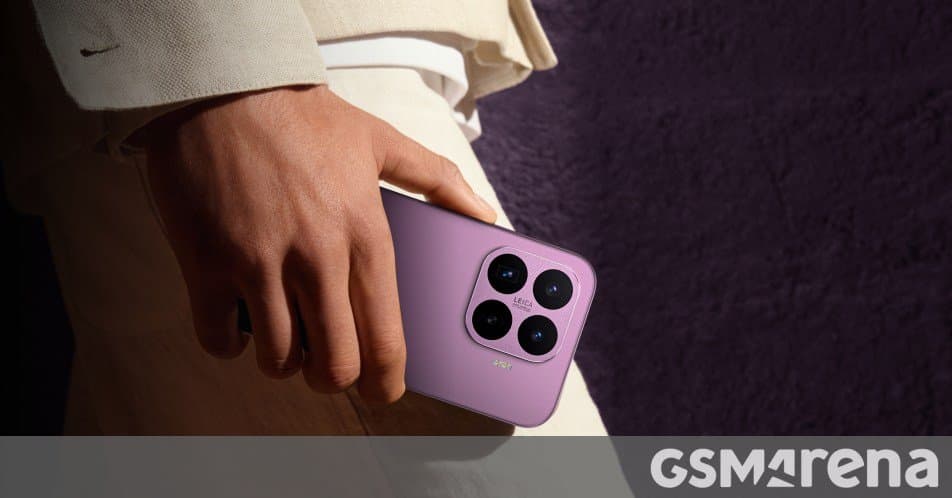
The Xiaomi 17T has hit Indian shelves a week after its local debut, bringing a Leica-tuned triple camera, a 5x periscope, and a large silicon-carbon battery to a price band that puts real pressure on the mid-premium tier.
Xiaomi has flipped the switch on Indian sales for the Xiaomi 17T, the phone it introduced in the country just last week. You can now buy it directly from Xiaomi's official Indian store, through Amazon.in, and across Xiaomi's physical retail outlets, which means availability is broad from day one rather than trickling out through a single channel.
The pricing is the first thing worth understanding. The 12GB/256GB model lands at INR59,999 (about $630 or €545), while the 12GB/512GB version asks INR64,999 (roughly $682 or €590). That positions the 17T below the flagship tier but well above budget territory, slotting it into the crowded mid-premium space where it competes with the likes of OnePlus and Samsung's A-series and FE devices. India gets three colors here: violet, blue, and black.
What the hardware actually delivers
Under the glass sits MediaTek's Dimensity 8500 Ultra, an upper-midrange chip rather than a top-end Dimensity 9000-series part. That choice tells you where Xiaomi drew its cost lines, prioritizing the camera system and battery over raw silicon. For everyday use, gaming, and HyperOS animations, the 8500 Ultra has plenty of headroom, but buyers cross-shopping flagships should know this is not the fastest chip in the room.
The display is a 6.59-inch AMOLED panel running at 1,268p resolution with a 120Hz refresh rate. The 1,268p figure (a slightly taller-than-1080p panel) keeps text sharp without pushing into the power-hungry QHD range, and the 120Hz refresh is now table stakes at this price.
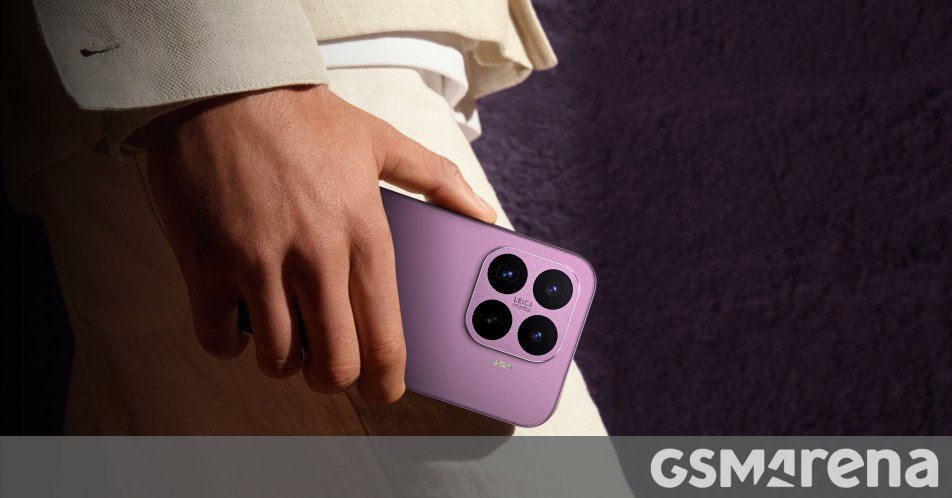
The camera setup is where the 17T earns its keep. Around back is a triple array co-developed with Leica: a 50MP primary, a 50MP periscope telephoto with 5x optical zoom, and a 12MP ultrawide. A genuine periscope lens at this price is uncommon, since most rivals in this band either skip optical telephoto entirely or settle for a short 2x or 3x reach. The front carries a 32MP selfie camera. Whether the Leica branding translates into the color science and detail you'd expect from the partnership is something our Xiaomi 17T review digs into.
Battery, charging, and the rest
Xiaomi fitted a 6,500mAh battery using silicon-carbon (Si/C) chemistry, which packs more capacity into the same physical volume than a conventional lithium-ion cell. That is a meaningful capacity for a phone this size, and it should translate into comfortable two-day endurance for lighter users. Charging is rated at 67W wired, which is quick if not record-setting, and there is no wireless charging mentioned here.
The supporting spec sheet is well rounded. You get an IP68 rating for dust and water resistance, stereo speakers, Dolby Vision playback, and an in-display fingerprint scanner. Software is Android 16-based HyperOS 3, Xiaomi's current interface layer, which brings the company's latest connectivity and continuity features.
Ecosystem context
HyperOS 3 is the part that ties the 17T into Xiaomi's broader product world. The skin is built around cross-device handoff between Xiaomi phones, tablets, wearables, and smart home gear, so the value proposition strengthens the deeper you already are in Xiaomi's hardware. For someone running a Redmi or Xiaomi tablet and a Xiaomi Watch, the shared notification mirroring and file transfer are genuine conveniences. For someone outside that orbit, those features matter less, and the decision comes back to the camera and battery on their own merits.
Xiaomi also unveiled a step-up Xiaomi 17T Pro alongside the standard model, with a larger 7,000mAh battery among its upgrades. For now there is no confirmation on whether or when the Pro reaches India, so Indian buyers are choosing between the 17T and rivals rather than within the 17T family. If the Pro is sold in your market, the separate review covers what the extra spend buys.
The takeaway for Indian shoppers is straightforward: the 17T offers a periscope camera and a large silicon-carbon battery at a price where both are rare, with the trade-off being a midrange processor rather than flagship silicon. Whether that trade lands depends on how much you value zoom range and endurance over benchmark numbers.
Comments
Please log in or register to join the discussion