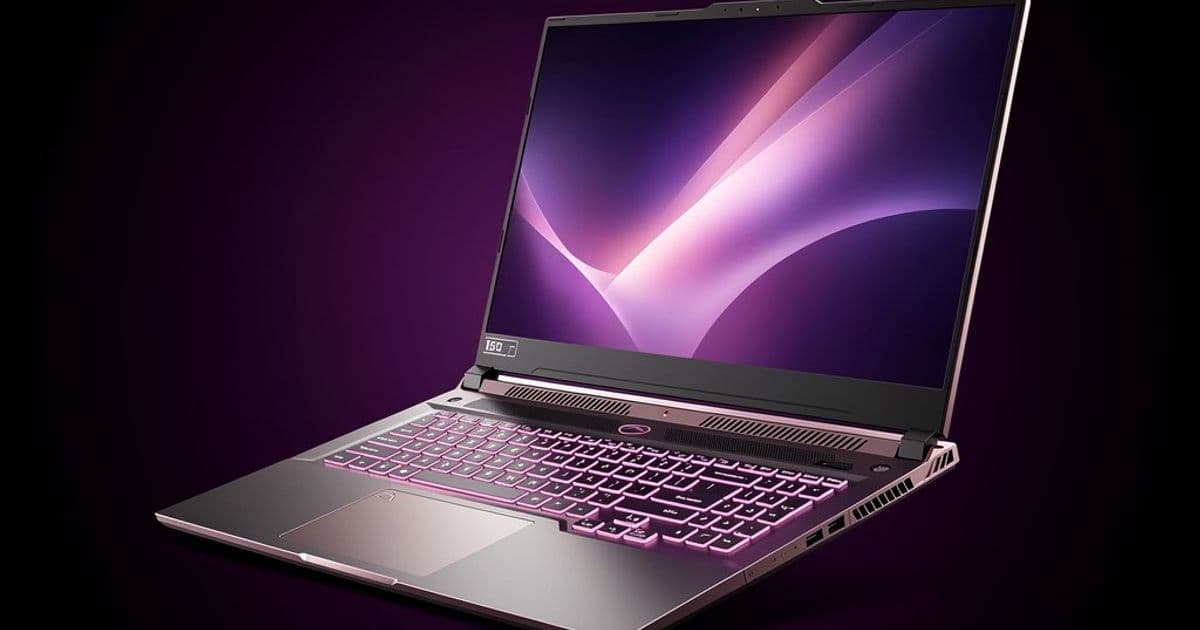
XMG's Apex 16 Max delivers exceptional gaming performance with Nvidia's RTX 5070 Ti GPU and AMD Ryzen HX processors, offering compelling display options while making strategic compromises to hit its €2,100 starting price.
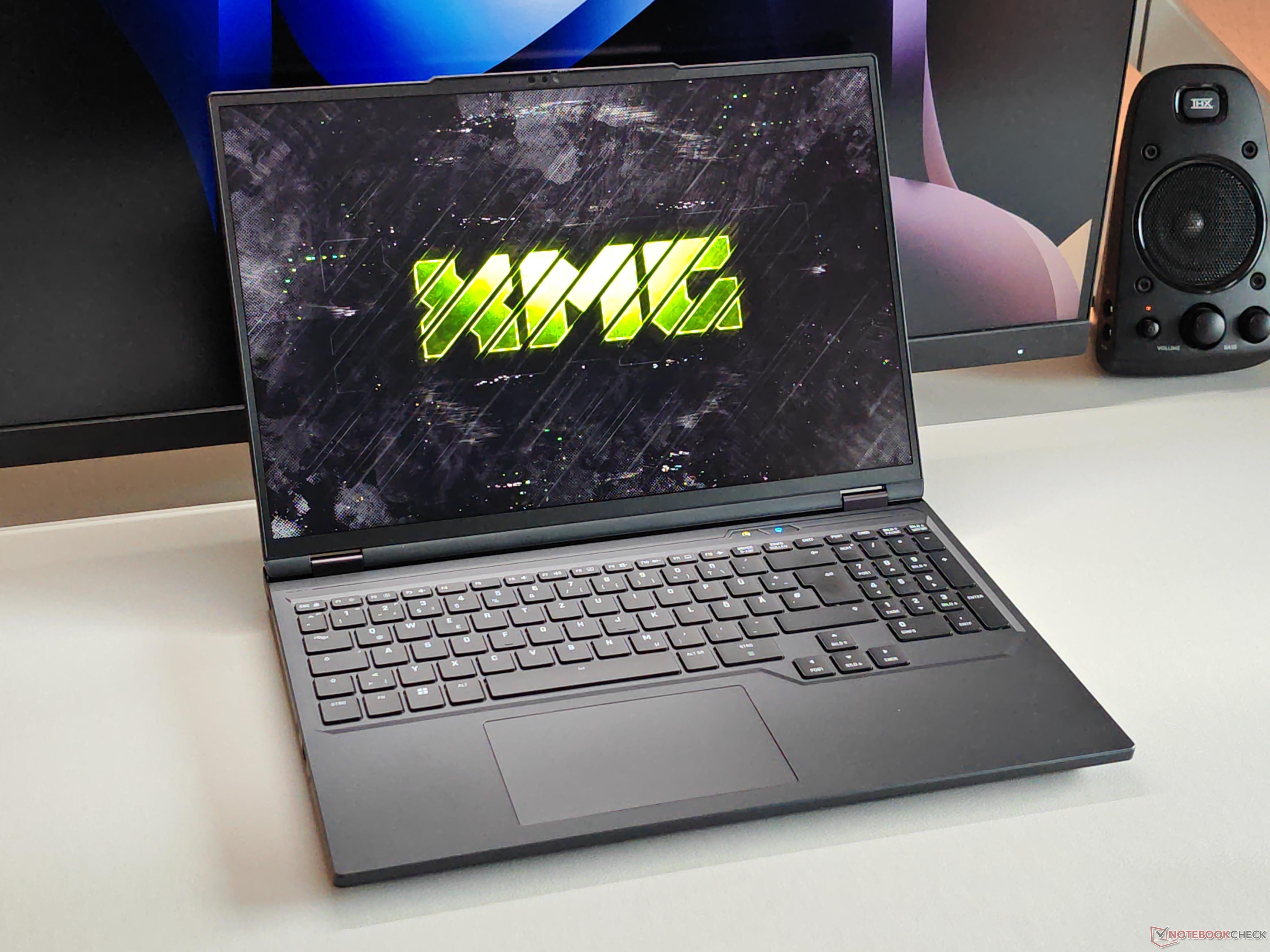
In a laptop market where GPU advancements have slowed, the Nvidia GeForce RTX 5070 Ti remains the gaming sweet spot with its 12GB VRAM buffer and strong price-to-performance ratio. German manufacturer XMG capitalizes on this with their Apex 16 Max, pairing the full-power 140W version of this GPU with AMD's latest HX-series processors in a package starting at €2,100. After testing a configuration with the top-tier Ryzen 9 9955HX (Zen 5), it's clear this machine makes calculated tradeoffs to deliver desktop-rivaling performance without breaking the bank.
Hardware Configuration & Processor Choices The Apex 16 Max offers two CPU options: the Ryzen 9 8945HX (Zen 4) comes standard, while the newer Ryzen 9 9955HX (Zen 5) adds €170 to the price. Our testing shows the 9955HX delivers noticeable gains in CPU-bound titles and productivity tasks, but the 8945HX remains a compelling choice for budget-conscious gamers. Both chips are paired with 32GB of DDR5 RAM (user-upgradeable) and the full 140W TGP implementation of the RTX 5070 Ti - crucial for maximizing the GPU's potential in demanding titles like Cyberpunk 2077 and Alan Wake 2.
Display Options: IPS vs Mini-LED XMG provides two panel choices:
- 300Hz IPS Display: 2560×1600 resolution, 500 nits brightness, 100% DCI-P3 coverage
- Mini-LED Upgrade: Adds €175 for superior HDR performance with 1,000 nits peak brightness
The IPS panel delivers excellent motion clarity for competitive gaming and better battery efficiency (around 15-20% longer runtime in our tests). Meanwhile, the Mini-LED option transforms HDR gaming experiences with dramatically brighter highlights and deeper blacks. Unlike some competitors, both displays cover the full P3 color space, making either suitable for content creation.
Strategic Compromises To hit its aggressive price point, XMG made deliberate choices:
- Construction: The base unit uses plastic instead of metal, though rigidity remains satisfactory
- Connectivity: Lacks Wi-Fi 7 and USB4 support, though USB 3.2 Gen 2×2 ports provide 20Gbps transfer speeds
- GPU Switching: Advanced Optimus is absent, but a hardware MUX switch allows direct dGPU routing
These omissions have minimal impact on core gaming performance. The plastic chassis shows no flex during intense sessions, and most gamers won't leverage Wi-Fi 7's theoretical advantages. The MUX switch provides the essential framerate boost without the battery-draining overhead of constant GPU switching.
Performance & Value Proposition In 1440p gaming tests, the RTX 5070 Ti consistently delivered 90-120 fps in AAA titles with high settings. Compared to previous-gen RTX 4070 Ti laptops, we observed 25-30% higher framerates while maintaining lower power consumption. The thermal solution kept CPU temperatures below 90°C during sustained loads with fan noise peaking at 48 dB - reasonable for this performance class.
At €2,100, the Apex 16 Max undercuts competitors with similar specs by 10-15%. The entry model with the 8945HX processor provides nearly identical gaming performance to our 9955HX test unit for those prioritizing GPU power over CPU advancements.
Verdict The XMG Apex 16 Max targets gamers who prioritize raw performance per euro. By focusing resources on the RTX 5070 Ti implementation and display quality while economizing on non-essential features, it delivers exceptional 1440p gaming capabilities. Choose the IPS panel for esports-focused use or Mini-LED for immersive HDR experiences. Though not the most feature-rich laptop, its performance-focused approach makes it one of the most compelling gaming values in the €2,000-2,500 segment.
Comments
Please log in or register to join the discussion