
YouTube now permits full ad revenue on non-graphic videos covering abortion, self-harm, suicide, and abuse topics – a significant policy reversal with implementation caveats.
YouTube has revised its advertiser-friendly content guidelines to permit full monetization of videos discussing traditionally restricted topics including abortion, self-harm, suicide, and domestic/sexual abuse. The policy update, effective immediately, applies only to content deemed non-graphic by YouTube's moderation systems. This reverses years of demonetization practices that creators argued suppressed legitimate discourse on critical health and social issues.
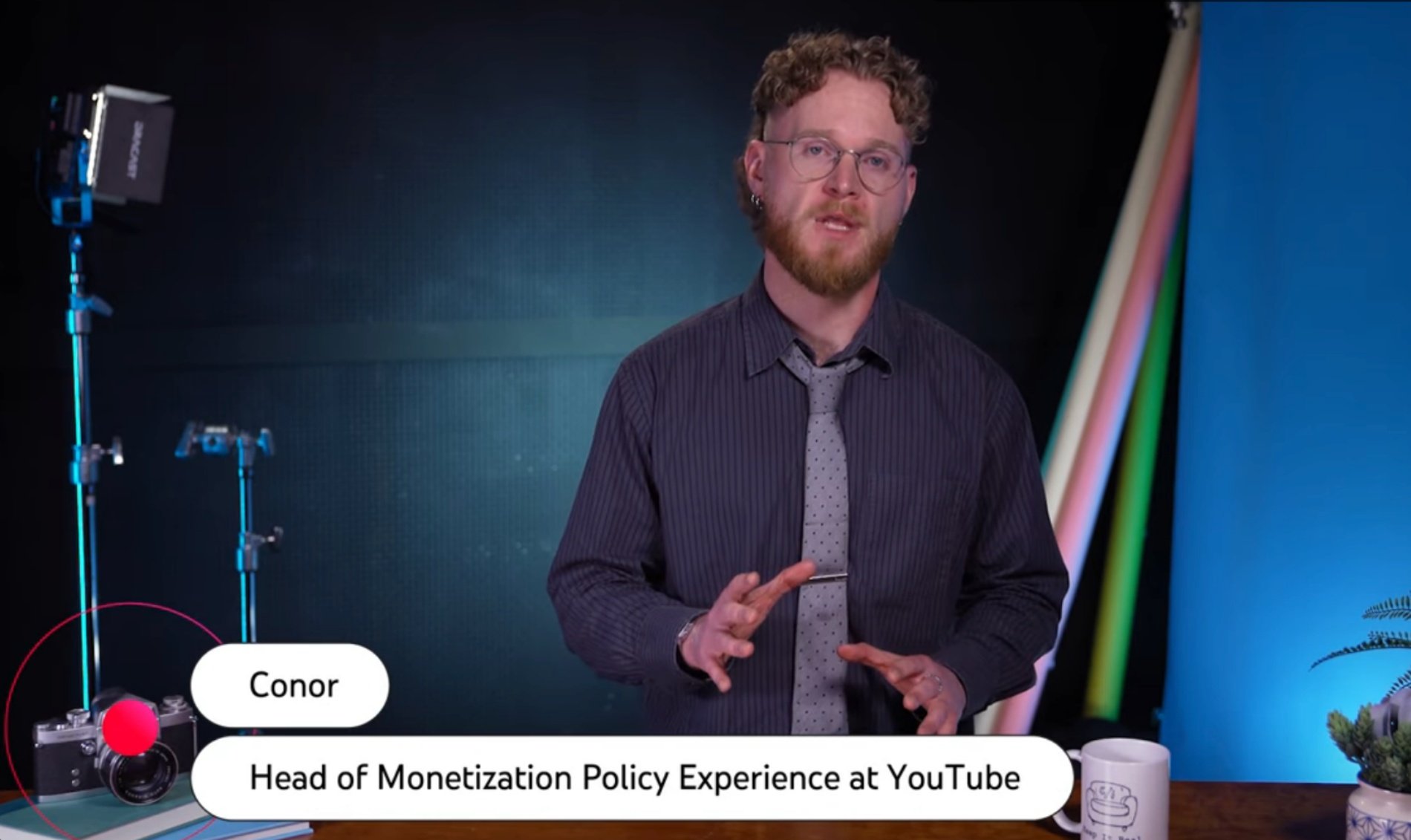
The core change removes automatic demonetization for videos discussing these sensitive topics provided they don't contain explicit imagery or graphic descriptions. Previously, such content was typically excluded from YouTube's Partner Program revenue streams regardless of educational or documentary value. Under the new framework, creators can earn ad revenue from these videos if they pass contextual review and maintain appropriate tone.
Practical implementation hinges on YouTube's content classification systems. Videos must avoid:
- Graphic depictions of violence or self-harm
- Explicit descriptions of traumatic events
- Promotion of harmful behaviors
- Exploitative or sensationalized treatment
The policy shift follows sustained criticism from medical professionals, educators, and creators who documented how blanket demonetization hindered access to verified health information. A 2025 Johns Hopkins study found only 28% of evidence-based mental health resources remained fully monetized under previous policies.
Limitations persist in three key areas:
- Enforcement consistency: YouTube's ML classifiers historically struggled with contextual nuance, raising concerns about false positives
- Geographic restrictions: Monetization remains unavailable in regions with local laws prohibiting such content
- Advertiser opt-outs: Major brands can still block ads from appearing against sensitive topics regardless of YouTube's policies
Notably, the policy maintains demonetization for graphic content and videos that violate community guidelines. The update appears calibrated to balance advertiser concerns with creator needs – a compromise reflecting YouTube's evolving stance on socially relevant content moderation. Whether this translates to meaningful revenue streams for creators covering sensitive topics will depend on the precision of YouTube's Content ID systems and advertiser participation rates in these categories.
Comments
Please log in or register to join the discussion