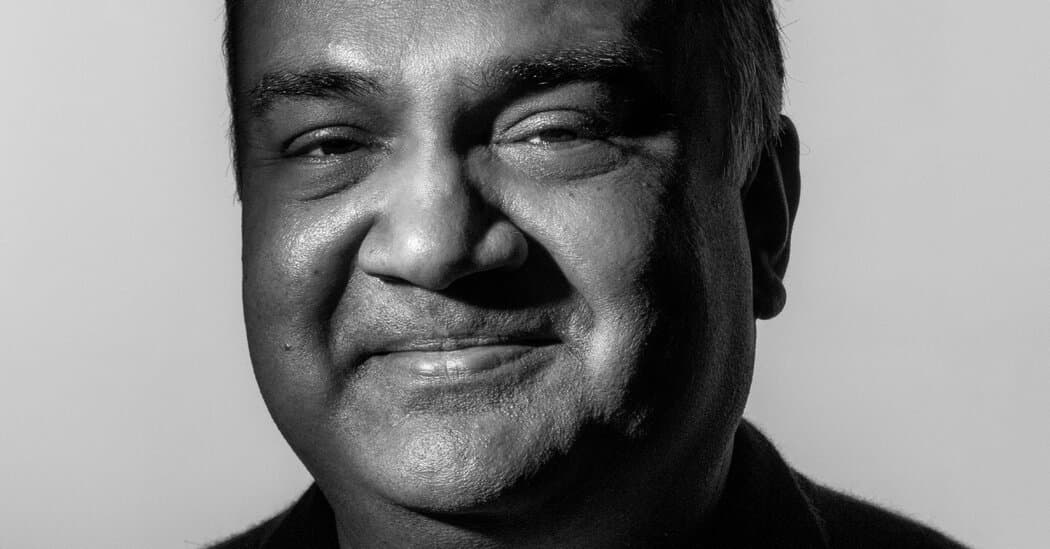
YouTube CEO Neal Mohan discusses the platform's massive reach, its impact on young audiences, the reinstatement of Trump's account, and the growing problem of AI-generated 'slop' content.
YouTube has become the dominant force in online video, reaching 90% of American teenagers and reshaping how content is consumed. In a wide-ranging interview, CEO Neal Mohan addressed the platform's unprecedented influence, its responsibility to younger audiences, the controversial reinstatement of Donald Trump's account, and the emerging challenge of AI-generated content flooding the platform.
YouTube's Unprecedented Reach
The numbers are staggering. YouTube now commands more viewing time than any traditional TV network, with users collectively watching over 1 billion hours of content daily. The platform has evolved beyond simple video hosting into a cultural touchstone, particularly for younger generations.
"Our audience is young," Mohan explained, noting that 90% of American teenagers use the platform regularly. This demographic dominance has transformed YouTube from a content repository into a primary source of entertainment, education, and even news for millions of users.
The Trump Account Controversy
One of the most politically charged decisions during Mohan's tenure was the reinstatement of Donald Trump's YouTube account in 2023, following its suspension after the January 6th Capitol riot. The decision came after a careful review process that weighed free expression against potential harm.
Mohan defended the move as part of YouTube's commitment to allowing political discourse, even from controversial figures. The platform implemented additional restrictions and monitoring systems for Trump's content, reflecting the unique challenges of moderating high-profile political accounts.
The AI 'Slop' Problem
Perhaps the most pressing challenge facing YouTube today is the explosion of AI-generated content, which Mohan referred to as "AI slop." This low-quality, algorithmically produced material is flooding the platform, making it harder for authentic creators to be discovered and potentially degrading the user experience.
The CEO acknowledged that YouTube's recommendation algorithms are struggling to distinguish between valuable human-created content and mass-produced AI material. This has created a new front in the platform's ongoing battle against spam and low-quality content.
Impact on Children and Digital Literacy
With such a young audience, YouTube faces intense scrutiny over its impact on children's development and mental health. The platform has implemented various safeguards, including restricted modes and content filters, but Mohan acknowledged that the responsibility extends beyond just technical solutions.
The interview touched on the broader question of digital literacy and how platforms like YouTube shape young people's understanding of the world. With traditional gatekeepers losing influence, YouTube has become a primary source of information for many teenagers, raising questions about content quality and reliability.
The Future of Video Consumption
Looking ahead, Mohan sees YouTube continuing to evolve as the primary way people consume video content. The platform is investing heavily in AI tools for creators, improved recommendation systems, and new formats to maintain its dominance.
However, the CEO also acknowledged that YouTube's success has created new challenges. The platform must balance its role as an open forum for expression with its responsibility to protect users, particularly younger audiences, from harmful or low-quality content.
The interview reveals a platform at a crossroads, grappling with its immense influence while trying to maintain its position as the world's leading video destination. As AI technology continues to advance and reshape content creation, YouTube's ability to adapt will likely determine whether it remains the dominant force in online video or becomes overwhelmed by the very tools that helped build its success.
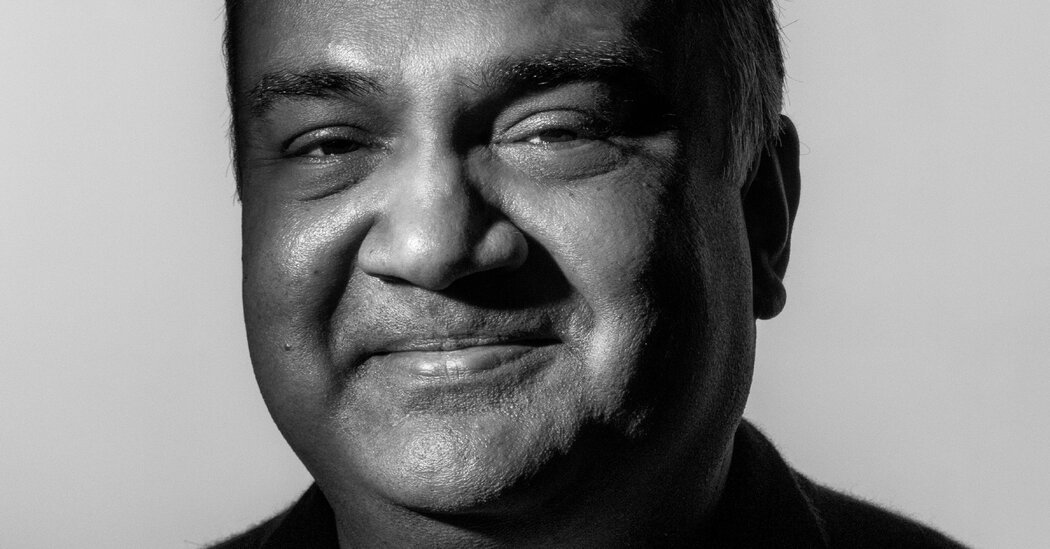
Featured image: Neal Mohan, CEO of YouTube, in conversation about the platform's future and challenges.
Comments
Please log in or register to join the discussion