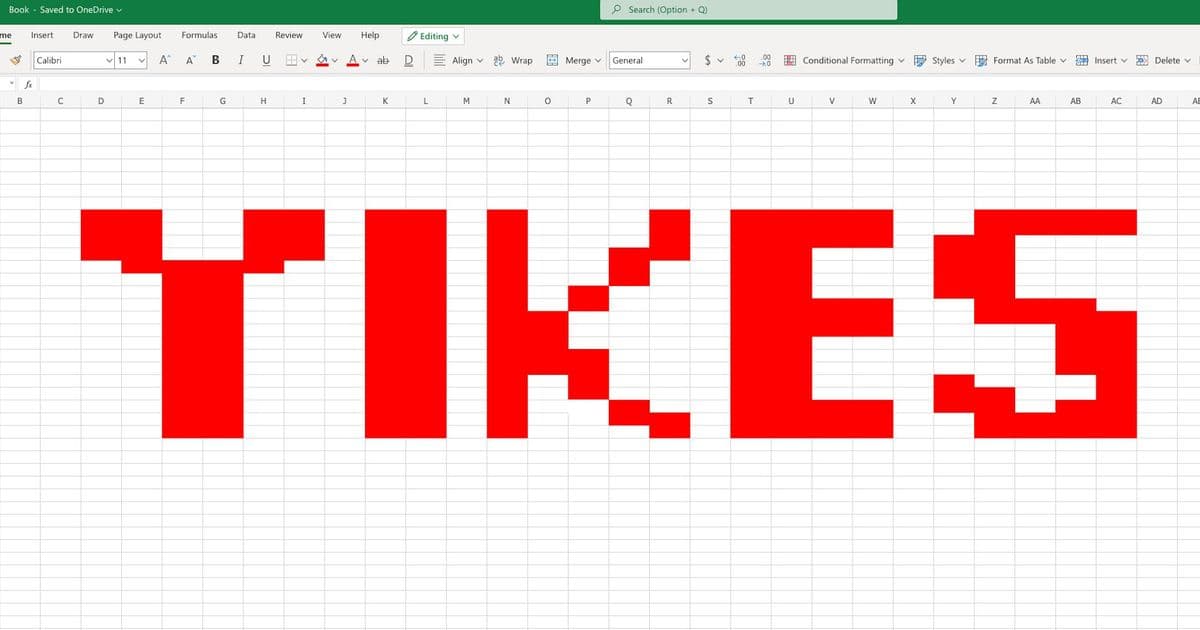
CISA adds CVE-2009-0238 to KEV catalog as attackers exploit ancient Excel bug, while Microsoft addresses new SharePoint zero-day in massive Patch Tuesday release.
A 17-year-old Microsoft Excel vulnerability has returned from the digital graveyard to haunt modern systems, with the US Cybersecurity and Infrastructure Security Agency (CISA) confirming active exploitation and setting an accelerated patching deadline for federal agencies.
Ancient bug, modern threat
CISA added CVE-2009-0238 to its Known Exploited Vulnerability (KEV) catalog on April 14, 2025, marking it as actively exploited in the wild. The vulnerability, which first appeared in February 2009, affects multiple legacy versions of Microsoft Excel including Excel 2000 SP3, 2002 SP3, 2003 SP3, and 2007 SP1, along with various Excel Viewer components and Mac versions.
The bug is classified as critical (CVSS score 9.3) and allows remote code execution when victims open specially crafted Excel documents containing malformed objects. According to Microsoft's original 2009 advisory, successful exploitation could give attackers complete control over affected systems, including the ability to install programs, view or delete data, and create new accounts with full user rights.
Accelerated federal response
In an unusual move, CISA gave federal civilian executive branch (FCEB) agencies only two weeks to patch the vulnerability, one week less than the standard deadline. This accelerated timeline reflects the severity of the threat and the fact that the bug is already being actively exploited in attacks.
CISA typically provides limited details about active exploitation campaigns to avoid tipping off attackers, and this case is no exception. The agency did not disclose who is behind the attacks, their targets, or the specific objectives of the campaigns.
Modern threats in the same batch
The same Patch Tuesday that addressed the ancient Excel flaw also included fixes for a much newer vulnerability. CVE-2026-32201, a SharePoint Server spoofing flaw rated 6.5 in severity, was confirmed by Microsoft to have been exploited as a zero-day.
This vulnerability stems from improper input validation that allows attackers to spoof data over networks. According to Mike Walters, president and co-founder of patch management provider Action1, the flaw could be leveraged for sophisticated phishing campaigns and social engineering attacks.
"The flaw lets attackers fake trust at scale: what looks legitimate may actually be a carefully crafted deception," Walters explained. "It can be used to deceive employees, partners, or customers by presenting falsified information within trusted SharePoint environments."
The persistence of legacy vulnerabilities
The resurgence of a 17-year-old vulnerability highlights a persistent challenge in cybersecurity: legacy systems and unpatched software continue to provide attack vectors long after their discovery. While Microsoft addressed CVE-2009-0238 in 2009, systems that never received the patch or are running outdated software remain vulnerable.
This situation underscores the importance of comprehensive patch management and the risks associated with maintaining legacy systems beyond their support lifecycle. Organizations running older versions of Microsoft Office face increased risk, particularly if they handle sensitive data or maintain connections to federal systems.
Broader implications
The dual nature of this Patch Tuesday—addressing both an ancient vulnerability and a modern zero-day—illustrates the layered complexity of enterprise security. Organizations must simultaneously defend against both cutting-edge exploits and resurrected legacy threats.
For federal agencies and contractors, the two-week deadline creates immediate pressure to inventory systems, identify vulnerable software, and deploy patches before the April 28 deadline. The accelerated timeline suggests CISA has intelligence indicating the threat is both credible and imminent.
The case also raises questions about the lifecycle of software vulnerabilities. When a bug remains exploitable nearly two decades after discovery, it suggests either persistent use of vulnerable systems or the emergence of new exploitation techniques that make old vulnerabilities viable again.
As organizations rush to patch these vulnerabilities, security teams must balance the urgency of addressing known threats against the ongoing challenge of defending against emerging ones. The resurrection of CVE-2009-0238 serves as a stark reminder that in cybersecurity, the past never truly stays buried.
Comments
Please log in or register to join the discussion