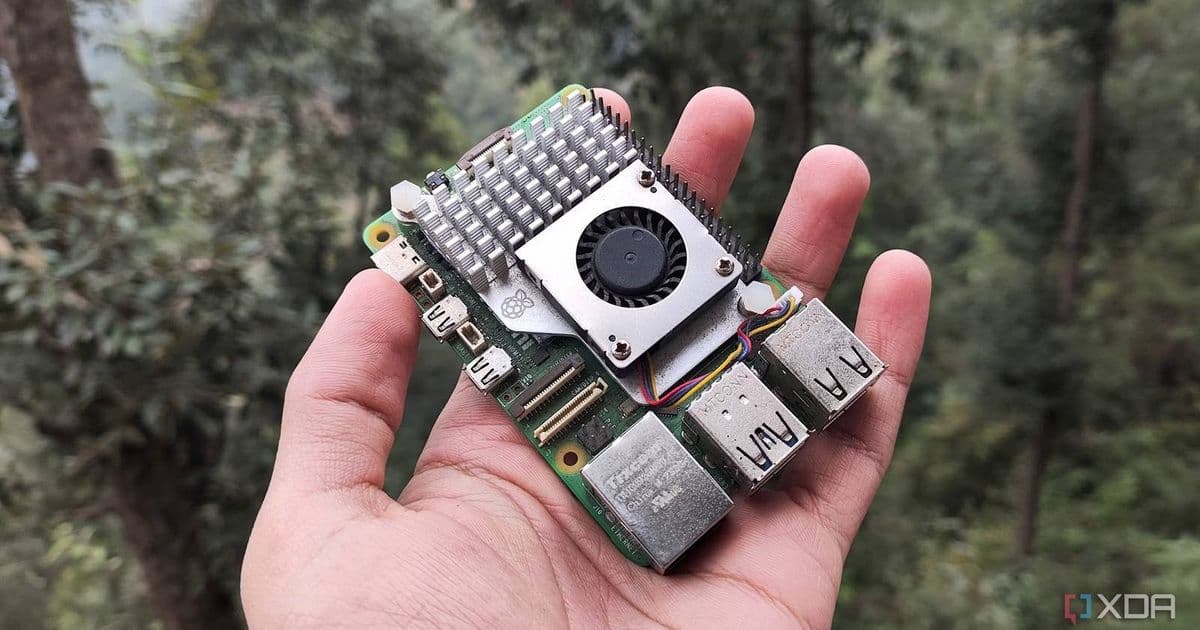
Raspberry Pi OS's latest update adds a mandatory security feature that users must disable manually, drawing criticism from the community.
The Raspberry Pi Foundation has rolled out a new security measure in its latest Raspberry Pi OS update, but the implementation has already sparked frustration among users. The feature, designed to enhance system security, is enabled by default and requires manual intervention to disable—a decision that has left many in the community feeling that their workflow has been disrupted without adequate warning or justification.
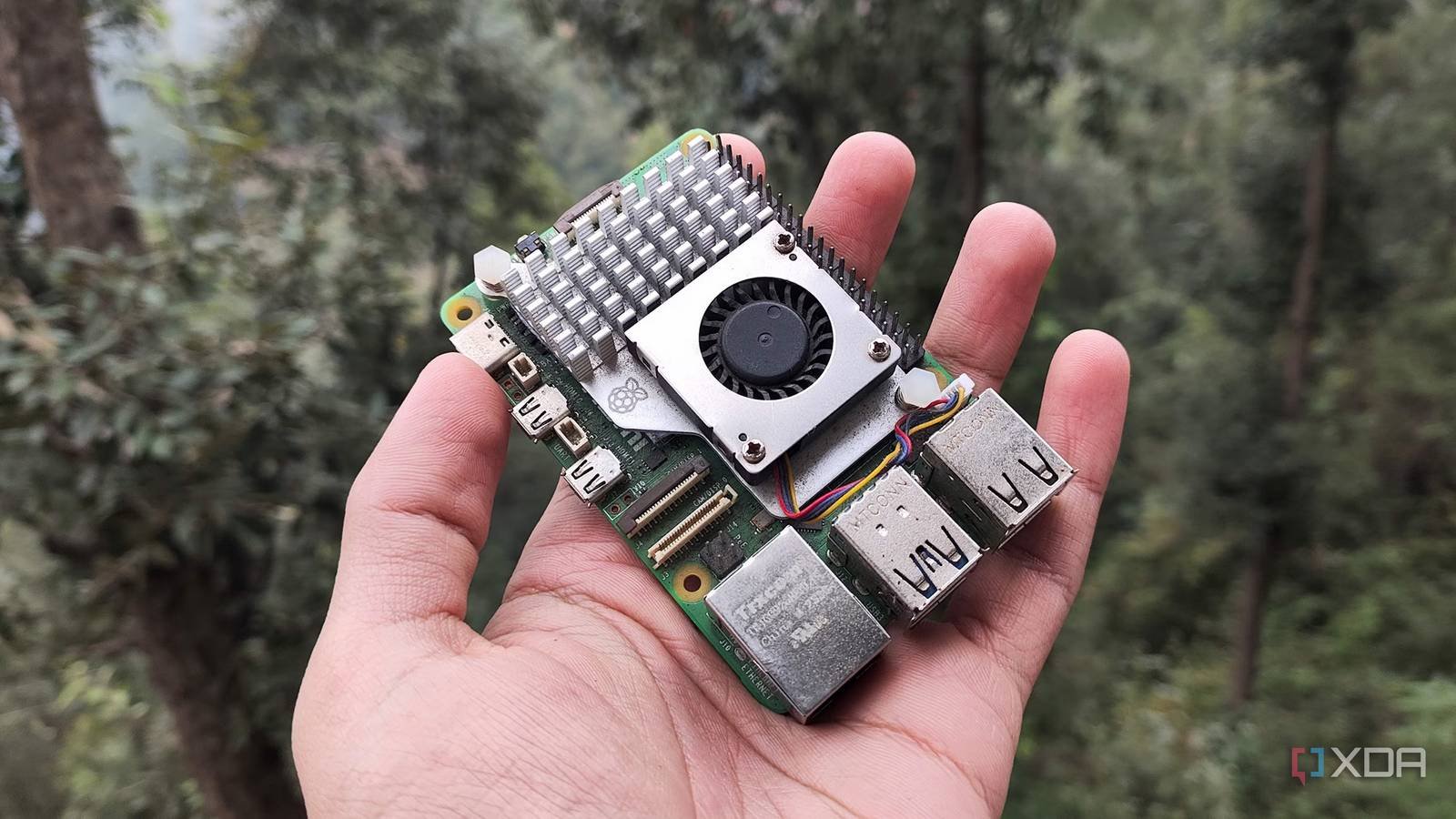
The Security Feature in Question
The new security measure appears to be a system-level protection that affects how users interact with their Raspberry Pi devices. While the exact technical details haven't been fully disclosed, reports suggest it involves additional authentication steps or restrictions on certain system operations that were previously more accessible.
What's particularly contentious is the "opt-out" approach. Rather than allowing users to enable the feature if they choose, the Raspberry Pi Foundation has made it active by default, requiring users who don't want it to manually disable it through configuration files or system settings.
Community Reaction
As expected, the response from the Raspberry Pi community has been mixed, with a significant portion expressing annoyance at the change. Long-time users, who often rely on Raspberry Pi devices for projects requiring quick access and minimal barriers, have been particularly vocal about their frustrations.
One common complaint centers on the disruption to established workflows. Many users have automated processes or scripts that assume certain levels of system access, and the new security measure breaks these without warning. For educational environments and hobbyist projects where Raspberry Pis are frequently used, this kind of disruption can be particularly problematic.
The Security vs. Convenience Debate
This situation highlights a broader tension in the tech world between security and usability. The Raspberry Pi Foundation, like many organizations, is likely responding to increasing security concerns and the need to protect users from potential threats. However, the implementation suggests a prioritization of security that some users feel goes too far.
The controversy also raises questions about who the Raspberry Pi OS is primarily designed for. While the Foundation has always emphasized education and accessibility, the growing use of Raspberry Pis in more critical applications—from home automation to industrial control systems—may be driving a shift toward more stringent security measures.
Historical Context
This isn't the first time a popular platform has faced backlash over security changes. Similar controversies have occurred with other operating systems and development platforms when security measures were implemented in ways that disrupted user workflows. The key difference often lies in how these changes are communicated and whether users have meaningful choices in how they're implemented.
What Users Can Do
For those affected by the new security measure, the primary recourse is to disable it manually. The Raspberry Pi Foundation has provided documentation on how to do this, though some users report that the process isn't as straightforward as they'd like.
In the meantime, the community is actively discussing workarounds and sharing experiences on forums and social media. Some users are exploring alternative operating systems for their Raspberry Pi devices, while others are pushing for the Foundation to reconsider the implementation approach.
Looking Forward
The controversy surrounding this security measure may prompt the Raspberry Pi Foundation to reconsider its approach. Many in the community are hoping for a more flexible implementation that allows users to choose whether to enable the feature based on their specific needs and use cases.
As the debate continues, it serves as a reminder of the delicate balance that platform maintainers must strike between protecting users and respecting their autonomy. For a community built around tinkering and customization, finding that balance is particularly crucial.
The situation remains fluid, and it will be interesting to see how the Raspberry Pi Foundation responds to the feedback. Whether they maintain their current approach or adjust based on community input could have significant implications for the future direction of the platform.
Comments
Please log in or register to join the discussion