MSI's Raider 16 Max HX ships with a 175W GPU, but Extreme Performance mode only delivers an average of 147W during gaming workloads. The real power requires enabling the system's loudest fan profiles.
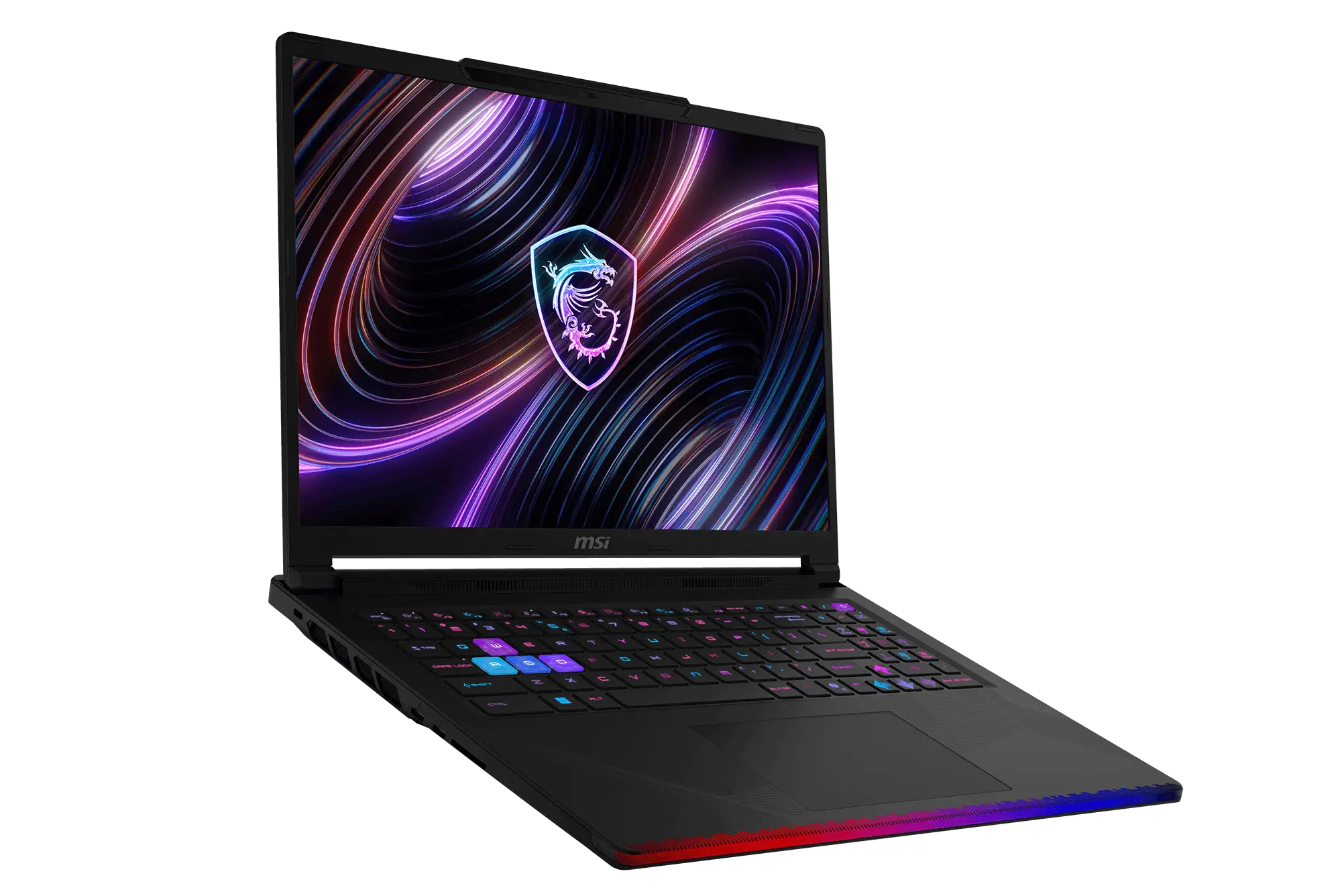
The MSI Raider 16 Max HX presents a peculiar puzzle for buyers who expect advertised GPU power limits to translate directly into real-world performance. Despite featuring a GPU rated at 175W, the system's default "Extreme Performance" mode delivers an average of just 147W during sustained gaming loads. The gap between the spec sheet and actual operation highlights a broader issue with how MSI communicates power management to consumers.
The Power Profile Problem
MSI equips the Raider 16 Max HX with five distinct power profiles: Quiet, Balanced, Extreme Performance, Apex, and Cooler Boost. Each mode adjusts GPU power targets, CPU power allocation, fan speeds, and clock speeds in different combinations. The problem is that MSI provides zero documentation within the software or in included materials explaining what each mode actually does. Users are left to discover these differences through external sources, community forums, or independent testing.
This lack of transparency creates a confusing experience for buyers who have no way of knowing that the mode labeled "Extreme Performance" does not actually unlock the full power budget of the GPU they purchased.
Balanced Mode Outperforms Expectations
Testing reveals an even more interesting wrinkle: gaming performance in Balanced mode is effectively identical to Extreme Performance mode. The Time Spy Graphics score of 23,572 in Balanced mode trails Extreme Performance's 23,905 by roughly 1.4 percent, a difference invisible in actual gameplay. Meanwhile, Balanced mode runs the fans at 47.5 dB(A) compared to Extreme Performance's 51.1 dB(A).
This means the mode most users would logically select for everyday gaming delivers the same frame rates at a meaningfully lower noise level. Extreme Performance mode occupies an awkward middle ground where it increases fan noise without providing a tangible performance benefit.
The Real Power Lives Behind the Loudest Modes
To actually approach the GPU's full 175W power budget, users must enable either Apex mode or Cooler Boost mode. These profiles push average GPU power to 169W and unlock higher clock speeds. The tradeoff is substantial fan noise: Apex hits 57.0 dB(A) and Cooler Boost reaches 60.2 dB(A), making the system noticeably louder than either Balanced or Extreme Performance.
The Cooler Boost profile also yields the highest Time Spy Graphics score at 26,009, a 38 percent improvement over Quiet mode. Apex mode follows closely at 25,594. Both modes dramatically increase CPU package power consumption as well, with Apex drawing 112W from the processor compared to Extreme Performance's 66W.
Comparison Across All Profiles
| Profile | Time Spy GPU | Avg GPU Power | Fan Noise |
|---|---|---|---|
| Quiet | 18,912 | 87W | Silent |
| Balanced | 23,572 | 145W | 47.5 dB(A) |
| Extreme Performance | 23,905 | 147W | 51.1 dB(A) |
| Apex | 25,594 | 169W | 57.0 dB(A) |
| Cooler Boost | 26,009 | 169W | 60.2 dB(A) |
Who This Matters For
For most buyers, Balanced mode is the practical recommendation. You get the same gaming performance as Extreme Performance with less noise, and you avoid the thermal stress of sustained high-power operation. The Raider 16 Max HX remains a capable gaming laptop regardless of which mode you choose.
However, buyers who specifically chose this system for its 175W GPU specification deserve to know that reaching that power level requires accepting the loudest fan profiles available. The discrepancy between the advertised TGP and what Extreme Performance mode actually delivers is a communication failure on MSI's part, not a hardware limitation.
If maximum GPU power matters to your use case, plan on enabling Apex mode and investing in a good pair of headphones. If you value a quieter experience, Balanced mode gives you essentially the same performance at a noise level you can live with.
Comments
Please log in or register to join the discussion