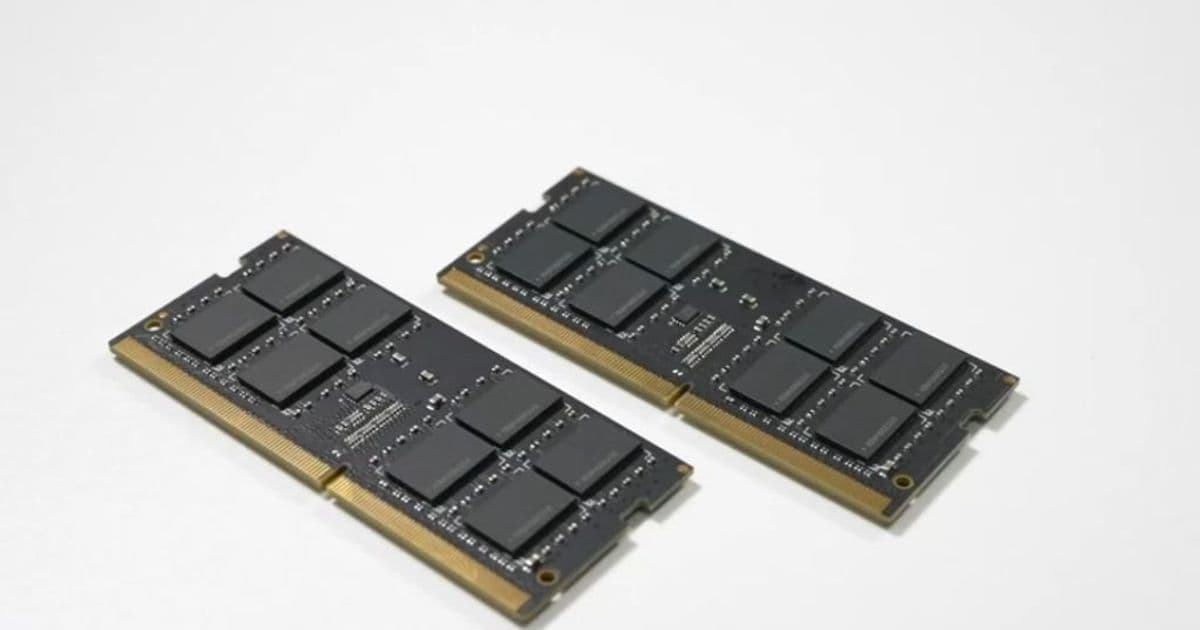
Major memory and storage manufacturers are raising massive capital to secure chip supplies as NAND and DRAM prices reach record highs, creating a challenging environment for both producers and consumers.
In a move that signals growing concerns in the memory market, several leading storage and memory manufacturers including Adata, TeamGroup, and Micron have collectively raised NT$28 billion (approximately $880 million) through bonds, bank loans, and stock offerings. This substantial fundraising comes at a time when record-high SSD prices and potential shortages are creating uncertainty across the industry.
What's new The capital raising represents a significant shift in market dynamics. Despite strong demand and record revenues, these Taiwanese manufacturers face unprecedented challenges securing sufficient NAND and DRAM inventory. According to Taiwan Commercial Times, the companies aren't struggling to attract customers—revenues are at all-time highs—but rather grappling with the skyrocketing cost of raw memory chips.
Adata is leading this financial push, having already issued NT$2 billion in convertible bonds and secured NT$12 billion in syndicated bank loans. The company is additionally planning to privately sell 30 million new shares. Other major players include Goldkey Technology, which has raised NT$4.5 billion, and TeamGroup, which has secured NT$2 billion through bond issuances. Apacer has added NT$1 billion to its reserves, while Innodisk, Transcend, and Silicon Power are each lining up for hundreds of millions more in the near future.
How it compares This current situation contrasts sharply with previous market conditions. Adata Chairman Simon Chen noted that "the chip supply crunch has transitioned the market into a seller's market," highlighting the dramatic shift in bargaining power. While these companies have smashed prior revenue records and tripled sales over recent months, they now find themselves in a precarious position where controlling inventory has become their primary challenge.
NAND flash producers are experiencing inventory levels at "an unprecedentedly low level ranging from three to five weeks now," according to Chen. This contrasts with healthier inventory levels typically maintained by manufacturers. The module producers like Adata, TeamGroup, and Transcend have limited control over how many finished chips they receive, creating a significant disadvantage in the supply chain.
Who it's for For consumers, this situation translates directly to higher prices for memory products and potential availability issues. PC builders, laptop manufacturers, and smartphone companies will likely pass these increased costs to end-users. Gamers and professionals who rely on high-performance systems may face particular challenges as they often require larger, faster storage solutions.
The strategic stockpiling through debt represents a calculated risk for these manufacturers. With NAND and DRAM prices showing no signs of decreasing, securing sufficient inventory has become essential for maintaining market position and profitability. However, this approach also increases financial leverage and could create vulnerabilities if market conditions shift unexpectedly.
For industry observers, this trend highlights the cyclical nature of the memory market and the increasing concentration of power among chip manufacturers. As smaller module companies struggle to secure supplies, we may see further consolidation in the industry as only the most well-capitalized players can maintain adequate inventory levels.
This situation underscores the complex interplay between supply chain dynamics, market power, and consumer pricing in the technology sector. As memory manufacturers continue to raise capital and secure inventory, consumers should brace for continued price increases and potential availability constraints in the coming months.
Comments
Please log in or register to join the discussion