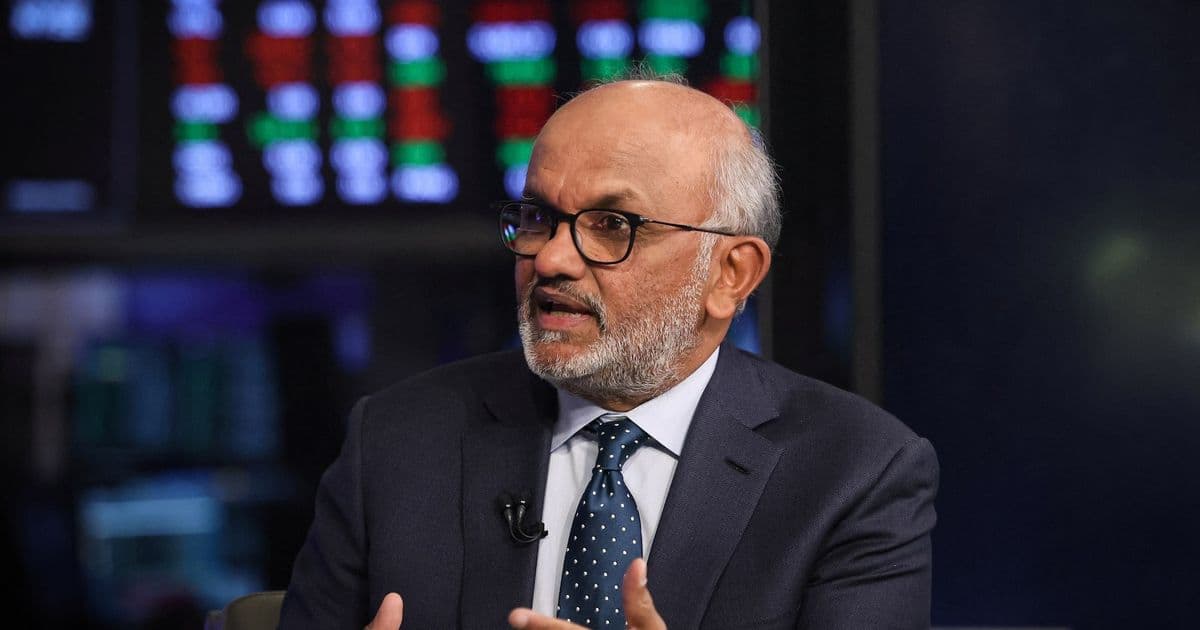
Adobe reports 12% revenue growth to $6.4B, beats estimates, and announces CEO Shantanu Narayen's planned succession while forecasting continued growth in Q2.
Adobe's first quarter 2026 financial results reveal a company in transition but maintaining strong momentum, with revenue growing 12% year-over-year to $6.4 billion and adjusted earnings per share exceeding analyst expectations. The design software giant also announced that CEO Shantanu Narayen will step down after a successor is appointed, marking the end of a 19-year tenure that transformed Adobe from a creative software company into a cloud-based enterprise powerhouse.
The numbers tell a story of sustained growth across Adobe's core businesses. Digital Media revenue reached $4.15 billion, up 11% year-over-year, while Digital Experience revenue grew 11% to $1.03 billion. Publishing and Advertising revenue declined 3% to $0.12 billion, reflecting the ongoing shift away from traditional media formats. The company's ability to maintain double-digit growth across its primary segments demonstrates the strength of its subscription-based model and the continued demand for creative and marketing software tools.
Looking ahead, Adobe's Q2 2026 guidance projects revenue between $6.43 billion and $6.48 billion, slightly above the $6.43 billion consensus estimate. This forecast suggests management confidence in maintaining growth momentum despite the leadership transition. The company's subscription-based business model provides visibility into future revenue, making these projections particularly reliable indicators of performance.
Narayen's departure represents a significant moment for Adobe and the broader tech industry. He became CEO in 2007, overseeing the company's transformation from selling boxed software to building a cloud-based subscription model with Creative Cloud, Document Cloud, and Experience Cloud. Under his leadership, Adobe's market capitalization grew from approximately $10 billion to over $200 billion. His decision to step down while remaining as board chair provides continuity during the transition, though the search for his successor will be closely watched by investors and industry observers.
The timing of this leadership change amid strong financial performance raises interesting questions about Adobe's strategic direction. The company faces increasing competition in AI-powered creative tools, with rivals like Canva and emerging startups challenging Adobe's dominance in certain segments. The next CEO will need to navigate these competitive pressures while continuing to innovate in areas like generative AI, which Adobe has integrated into products like Photoshop and Illustrator.
Adobe's stock dropped 6% in after-hours trading following the earnings announcement and CEO news, suggesting investors are processing both the strong quarterly results and the uncertainty of a leadership transition. This reaction reflects the market's recognition of Narayen's role in Adobe's success and the challenges of maintaining momentum during executive changes at major technology companies.
The company's financial strength provides flexibility for the incoming CEO to pursue various strategic initiatives. With $2.3 billion in cash and investments and $2.5 billion in operating cash flow generated in Q1 alone, Adobe has resources for potential acquisitions, increased R&D spending, or shareholder returns. The question becomes how the new leadership will deploy these resources to address competitive threats and capitalize on emerging opportunities in AI, cloud computing, and digital transformation.
Adobe's journey from a creative software company to an enterprise software leader mirrors broader trends in the technology industry. The shift from perpetual licenses to subscription models, the integration of AI capabilities into traditional software categories, and the expansion into adjacent markets like marketing and analytics have defined Adobe's recent history. The next chapter will likely focus on deepening AI integration, expanding into new use cases, and potentially exploring new markets beyond creative and marketing professionals.
The Q1 results and CEO transition together signal both stability and change at Adobe. The company's financial performance demonstrates the enduring strength of its business model and product portfolio, while the leadership change creates an opportunity for new strategic direction. For customers, investors, and competitors, these developments will shape expectations about Adobe's trajectory in an increasingly competitive and AI-driven software landscape.
As the search for Narayen's successor begins, Adobe's board faces the challenge of finding a leader who can build on the company's established strengths while driving innovation in emerging areas. The combination of strong financial results and planned leadership transition creates a unique moment for Adobe to redefine its strategy for the next phase of growth in the digital economy.
Comments
Please log in or register to join the discussion