
Companies add AI agents to old approval chains, then wonder why work still stalls. Leaders get the larger gain when they give judgment a place agents can use.
Companies have started wiring AI agents into email drafts, ticket triage, research, reporting and data pulls across sales, support, finance and engineering. The demos work. Teams see a task that took an hour shrink to seconds.
That gain has a ceiling. A task may speed up, while the system around it still waits on approvals, handoffs and unclear ownership. The report may take four seconds to draft and four days to clear legal review.
Factories faced the same trap after 1900. Owners replaced steam engines with electric motors and expected a surge in output. They saw modest gains because they kept the old factory design.
A steam plant used one large engine to spin a shaft through the building. Belts connected machines to that shaft. The shaft dictated where owners placed lathes, looms and workers.
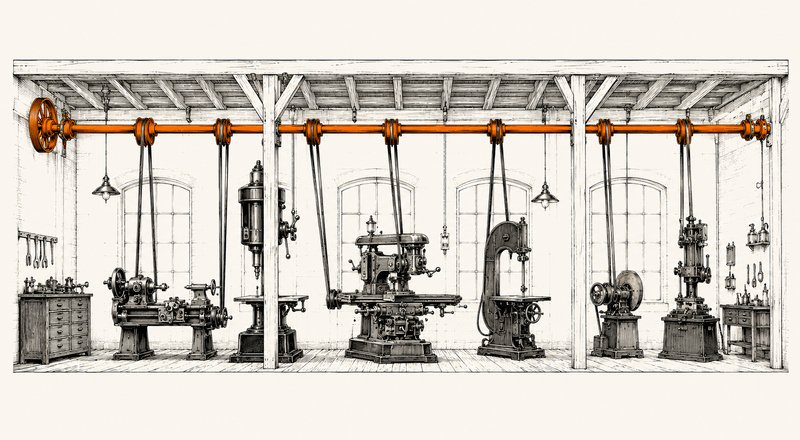
Early electrification kept that layout. Owners removed the steam engine, bolted one large electric motor into the same spot and spun the same shaft. They changed the power source and preserved the constraint.
The major gains came later, after managers put motors on individual machines and redesigned plants around work flow. Electricity paid off after leaders changed the system that used it.
AI agents now sit in the same place as those first electric motors. Teams plug them into workflows built around scarce human execution. The agent handles one painful step, then hands the result back to a queue shaped by old limits.
Amdahl's law explains the math. If a team speeds up one step in a long process, the untouched steps set the pace. Approvals, reviews and judgment calls become the bottleneck.
Organizations also carry this old constraint. Roles, departments, handoffs and approval gates came from the cost of human work. Leaders batched tasks because setup cost money. They created specialties because repetition built skill. They added managers because coordination took effort.
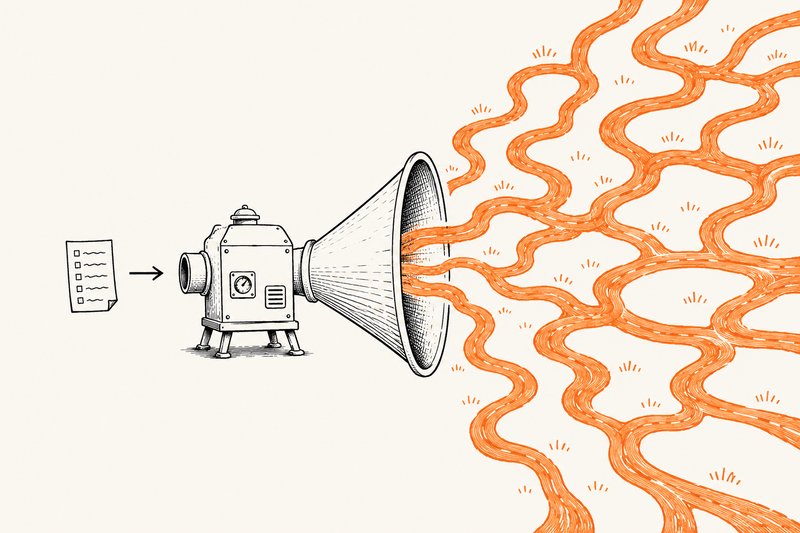
Agents reduce the cost of execution. That shift exposes the thing companies still ration: judgment.
Judgment means deciding which work matters, which edge cases need review and which outputs carry enough confidence for action. Agents can draft, search and summarize. Humans still decide purpose, risk and responsibility.
Ajay Agrawal, Joshua Gans and Avi Goldfarb made a related argument in Prediction Machines: AI cuts the cost of prediction, so value moves to the judgment that uses prediction. The same pattern applies to agents. Cheap execution increases the premium on clear decisions.
Many companies store judgment in poor places. A Slack thread holds a policy exception. A departed employee held the reason for a pricing rule. A model invents a fresh answer each time someone asks the same question.
Leaders need to turn judgment into a reusable operating asset. A subject matter expert decides once. The system records the decision, scope, source and confidence level. Agents use the certified part and route unclear cases back to a human owner.
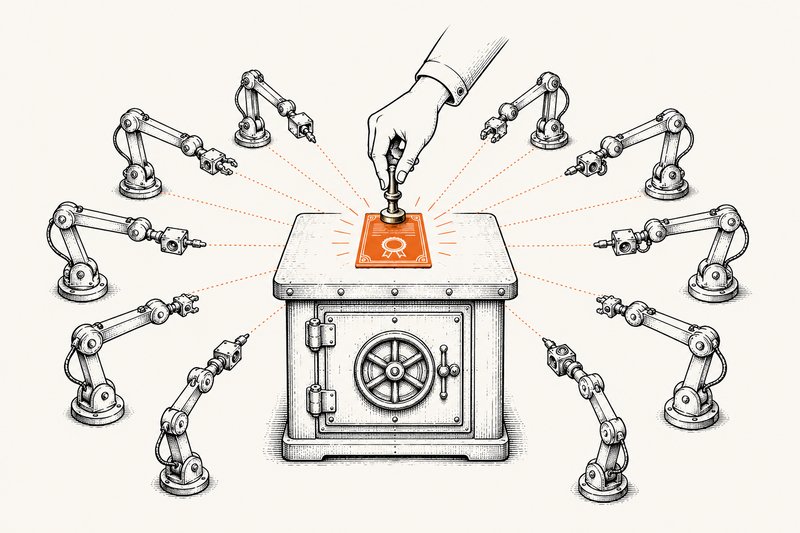
That design changes the work. One human decision can guide thousands of agent actions without hiding who owns the call. The company gains speed because it also improves control.
Michael Hammer named the trap in his 1990 Harvard Business Review essay, "Reengineering Work: Don't Automate, Obliterate". Companies often automate old processes because that path feels safer than redesign. Agents make that habit more expensive.
For years, automating a weak process left money on the table. Agents raise the risk. Execution now races ahead while judgment sits across inboxes, meetings and memory.
The next advantage will come from companies that redesign around judgment. They will ask who decides, where the decision lives and which parts an agent may act on. Then they will build systems that make those answers usable.
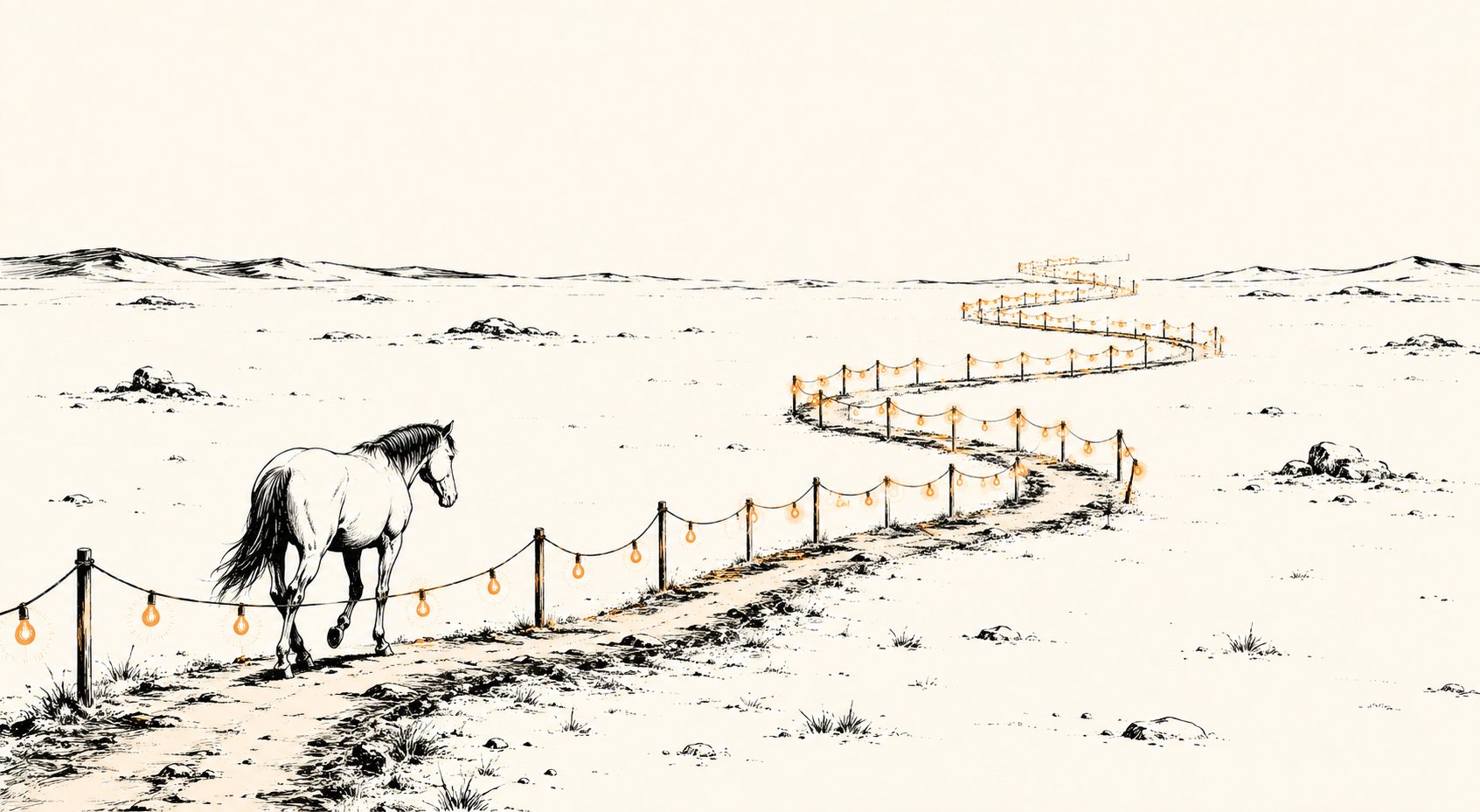
A cow path at machine speed still wastes the trip.
Comments
Please log in or register to join the discussion