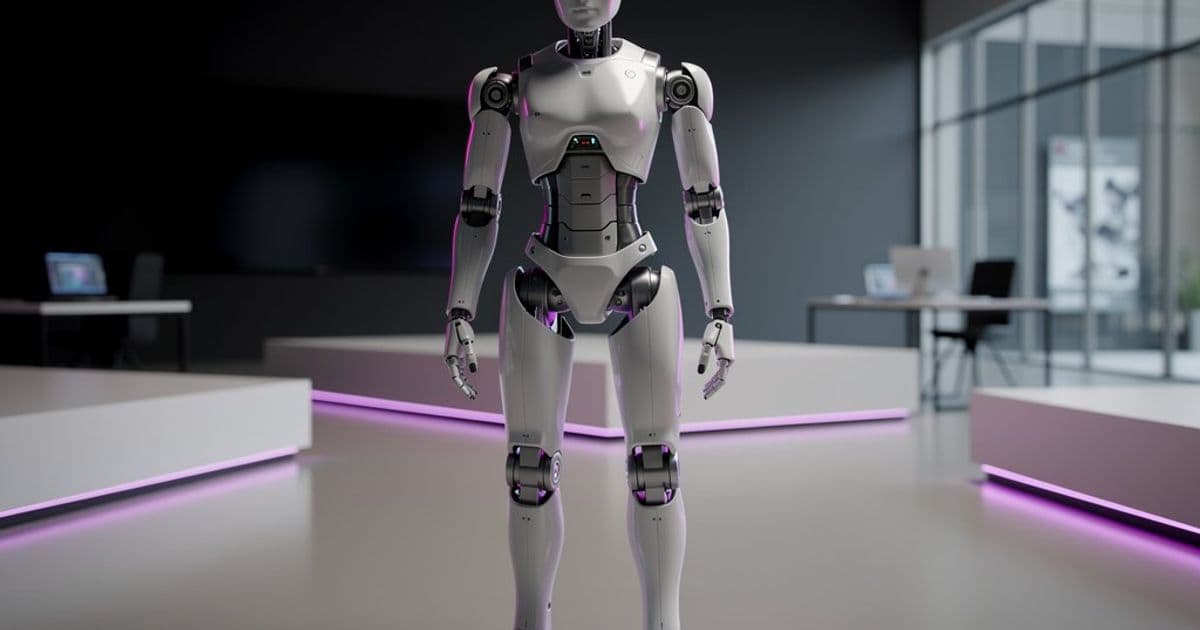
Agibot's new 2,000-square-meter facility in Shah Alam, Malaysia, represents a strategic shift from pure hardware sales to creating demonstration environments for embodied AI. The company, which claims global leadership in humanoid robot shipments, is using the center to lower adoption barriers and test real-world applications in the Asia-Pacific market.
Agibot's decision to open its first overseas experience center in Malaysia is less about a grand opening ceremony and more about creating a controlled environment where potential customers can interact with humanoid robots without committing to a purchase. The 2,000-square-meter facility in Shah Alam's i-City development, which opened on January 13, 2026, is designed as a demonstration space where the company can showcase practical applications and gather data on how these systems perform in real-world settings.
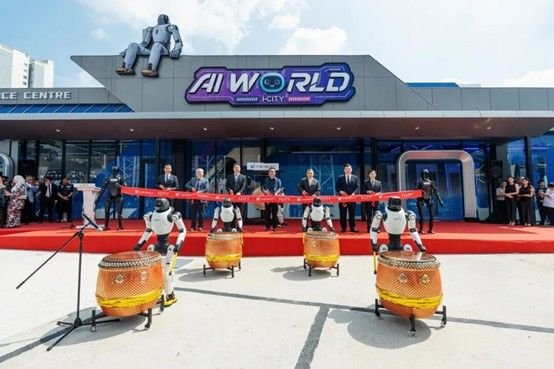
The center's location is strategic. Malaysia's government has been actively promoting its National Artificial Intelligence Action Plan, and the presence of Minister of Science, Technology and Innovation Chang Lih Kang at the opening signals official support. For Agibot, this provides political cover and access to potential government contracts. For Malaysia, it offers a tangible demonstration of their AI ambitions beyond policy documents.
What's Actually Being Demonstrated
The experience center isn't a retail store. It's designed to show humanoid robots performing specific tasks in a controlled environment. According to the company's statements, the facility will showcase "humanoid applications" and serve as a "real-world platform for human–robot coexistence." This suggests demonstrations of robots performing service tasks, guided tours, or interactive exhibits—applications where the robot's human-like form factor provides an advantage over traditional industrial robots.
The center is part of i-City's transformation from an entertainment hub into what its director, Dato' Yu Fangzhou, calls an "AI + cultural tourism" flagship. This means the robots will likely be deployed in visitor-facing roles, providing both a testing ground for Agibot's technology and a marketing tool for the destination itself.
The Underlying Business Strategy
Agibot's approach reflects a broader trend in the robotics industry: moving beyond hardware sales to creating ecosystems. Deng Feng, the company's General Manager for Middle East and Asia-Pacific operations, described a "dual-engine strategy" combining a "technology ecosystem" with a "commercial ecosystem." This is corporate-speak for a model where Agibot provides not just robots, but also software support, integration services, and partnership frameworks to lower the technical barriers for customers.
The experience center serves as a physical manifestation of this strategy. Instead of sending sales teams with brochures, Agibot can bring potential partners to see robots operating in a realistic setting. This reduces the perceived risk of adopting new technology and provides a venue for training and integration support.
The Shipment Claim
The article references a report from global research firm Omdia stating that Agibot "ranked first worldwide in humanoid robot shipments, with deliveries exceeding 5,100 units." This figure requires context. The humanoid robotics market remains small compared to industrial robots, with most deployments still in pilot or limited production phases. A shipment of 5,100 units represents significant scale for this emerging sector, but the claim's validity depends on Omdia's methodology and definitions.
More importantly, shipment numbers don't necessarily correlate with operational success. The critical metric is how many of these robots are actively deployed in productive applications versus sitting in warehouses or research labs. The Malaysia experience center could provide data on actual utilization rates if Agibot is transparent about operational metrics.
Regional Expansion Pattern
Agibot's expansion into Malaysia follows a pattern of establishing local teams across 10 markets, including Singapore, Thailand, and Australia. This suggests a methodical approach to market entry rather than opportunistic sales. Each local team likely handles sales, support, and partnership development tailored to regional needs.
The choice of Malaysia as the first overseas experience center location is telling. Singapore might seem the obvious choice for a tech company's first regional hub, but Malaysia offers lower operational costs and a larger domestic market. The partnership with i-City also provides existing infrastructure and foot traffic.
Technical and Practical Limitations
While the experience center represents progress, it doesn't address the fundamental challenges facing humanoid robotics. These systems remain expensive, energy-intensive, and limited in their ability to perform complex tasks reliably. The center's value lies in identifying specific applications where the humanoid form factor provides clear advantages over simpler, more reliable robotic solutions.
The "human–robot coexistence" concept also raises practical questions about safety, liability, and public acceptance. Experience centers allow controlled testing of these issues, but real-world deployment will encounter variables that can't be simulated in a demonstration facility.
What Comes Next
The Malaysia center will likely serve as a template for similar facilities in other markets. If successful, Agibot could expand this model to its other regional teams. The key metrics to watch will be:
- Partnership conversion rates: How many visitors to the center become actual customers or partners?
- Application diversity: What specific tasks are robots performing, and how do they compare to traditional automation solutions?
- Operational data: How many hours do robots operate daily, and what is their reliability rate?
The center's success will ultimately be measured not by the number of visitors or media coverage, but by its ability to generate sustainable commercial applications for humanoid robots. For now, it represents a pragmatic step in an industry that has seen more hype than practical deployment.
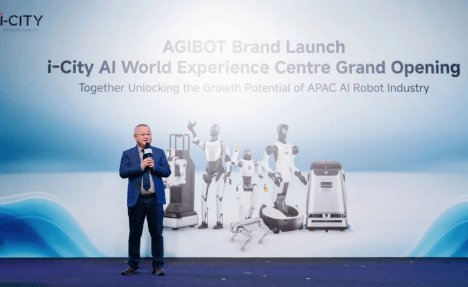
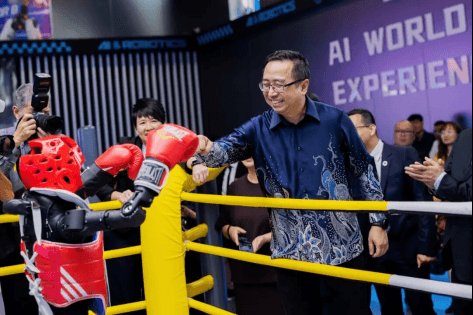
The broader implication is that the humanoid robotics industry is maturing from a research-focused domain to one focused on commercial viability. Experience centers like this one provide the necessary bridge between laboratory demonstrations and real-world applications, but they also highlight how far the technology still needs to go to achieve widespread adoption.
For potential customers and partners visiting the center, the value lies in seeing what works today, not what might be possible in the future. This grounded approach, if maintained, could help the industry avoid the boom-and-bust cycles that have plagued other emerging technologies.
Comments
Please log in or register to join the discussion