Samsung Electronics is set to overhaul its global manufacturing operations by deploying humanoid robots and agentic AI systems across its production lines by 2030, marking a significant shift in electronics manufacturing that could redefine industry standards.
Samsung Electronics has unveiled an ambitious plan to fundamentally reshape its global manufacturing operations through the integration of humanoid robots and agentic AI technologies by 2030. This strategic pivot represents one of the most substantial transformations in electronics manufacturing in recent years, positioning Samsung at the forefront of industrial automation.
What's New
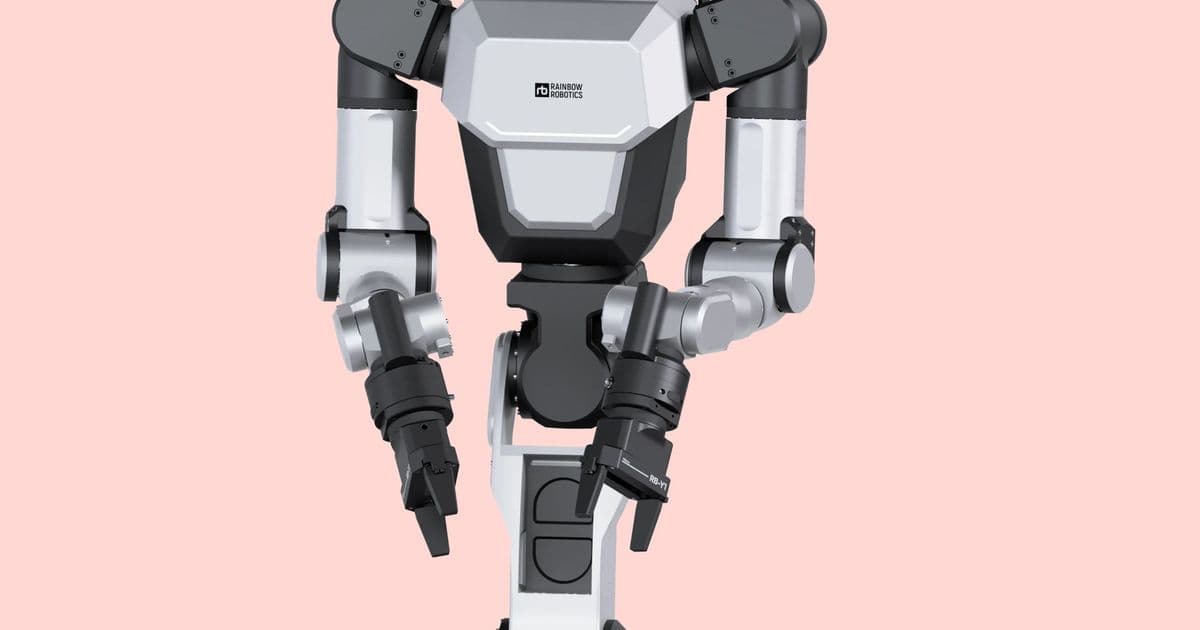
Samsung's manufacturing vision centers on two disruptive technologies: humanoid robots and agentic AI systems. While the South Korean electronics giant has previously developed commercial robots such as vacuum cleaners, this marks their first major foray into humanoid robotics for industrial applications. The company has invested in Rainbow Robotics, a specialized robotics firm, and plans to deploy the RB-Y1 humanoid robot across its manufacturing lines. The RB-Y1 stands approximately 5 feet tall and is designed to perform complex assembly tasks with human-like dexterity.
Complementing the physical robotics transformation, Samsung will implement agentic AI systems throughout its production workflow. These AI systems will operate autonomously to enhance quality control, optimize production efficiency, and manage logistics from material warehousing to final shipment. Additionally, Samsung will deploy specialized AI applications to improve workplace safety monitoring and environmental health management, creating a more responsive and adaptive manufacturing ecosystem.
Samsung plans to provide more details about its AI strategy at the Mobile World Congress in Barcelona in March, where they will host a side-line event outlining both their technical approach and governance framework for AI deployment in manufacturing. This suggests that Samsung is not only focused on the technological implementation but also on establishing ethical and operational guidelines for their AI systems.
How It Compares
Samsung's approach differs from current manufacturing automation in several significant ways. Most existing factory automation relies on specialized, single-purpose machines or robotic arms that perform limited functions within controlled environments. Samsung's humanoid robots, by contrast, offer greater versatility and adaptability, capable of handling multiple tasks and navigating more complex production scenarios.
In the competitive landscape, Samsung joins other major tech manufacturers in pursuing advanced automation. Foxconn, a key Apple supplier, announced in October 2025 that it would deploy Nvidia-powered bipedal robots to assemble AI servers within six months. Similarly, Hyundai has ordered 30,000 Atlas robots from its subsidiary Boston Dynamics for deployment across US car factories. However, Samsung's comprehensive approach combining both physical robotics and agentic AI systems represents a more integrated vision for next-generation manufacturing.
Samsung's implementation timeline also positions them as a leader in this transition. While competitors are beginning to deploy specific solutions, Samsung's 2030 target suggests a more thorough and widespread transformation across their entire global manufacturing footprint.
Who It's For
This manufacturing revolution primarily benefits Samsung by potentially reducing labor costs, improving production consistency, and increasing operational efficiency. The company faces growing competition and rising labor costs in many markets, making automation an essential strategic priority. By 2030, Samsung aims to have significantly reduced its dependency on human labor for repetitive and complex manufacturing tasks while maintaining or improving production quality.
Consumers may ultimately benefit from this transformation through potentially more reliable products and possibly more competitive pricing as Samsung achieves greater manufacturing efficiency. However, the transition may also involve short-term disruptions as Samsung retools its manufacturing processes.
The broader electronics industry will watch Samsung's implementation closely as a potential blueprint for future manufacturing strategies. If successful, Samsung's approach could set new standards for production efficiency and quality in electronics manufacturing, prompting competitors to accelerate their own automation initiatives.
As manufacturing continues to evolve, Samsung's 2030 vision represents a significant step toward more autonomous, intelligent, and responsive production systems that could redefine how electronics are manufactured globally. The integration of humanoid robots with agentic AI creates a symbiotic relationship where physical tasks are handled by sophisticated machines while cognitive functions are managed by specialized AI systems, potentially creating manufacturing ecosystems that are more efficient, adaptable, and responsive to changing market demands.
The implementation of such systems will likely face challenges in terms of initial investment costs, integration complexity, and workforce transition. However, the long-term benefits of increased productivity, improved quality control, and enhanced safety monitoring could provide Samsung with a significant competitive advantage in the increasingly competitive electronics market.
Comments
Please log in or register to join the discussion