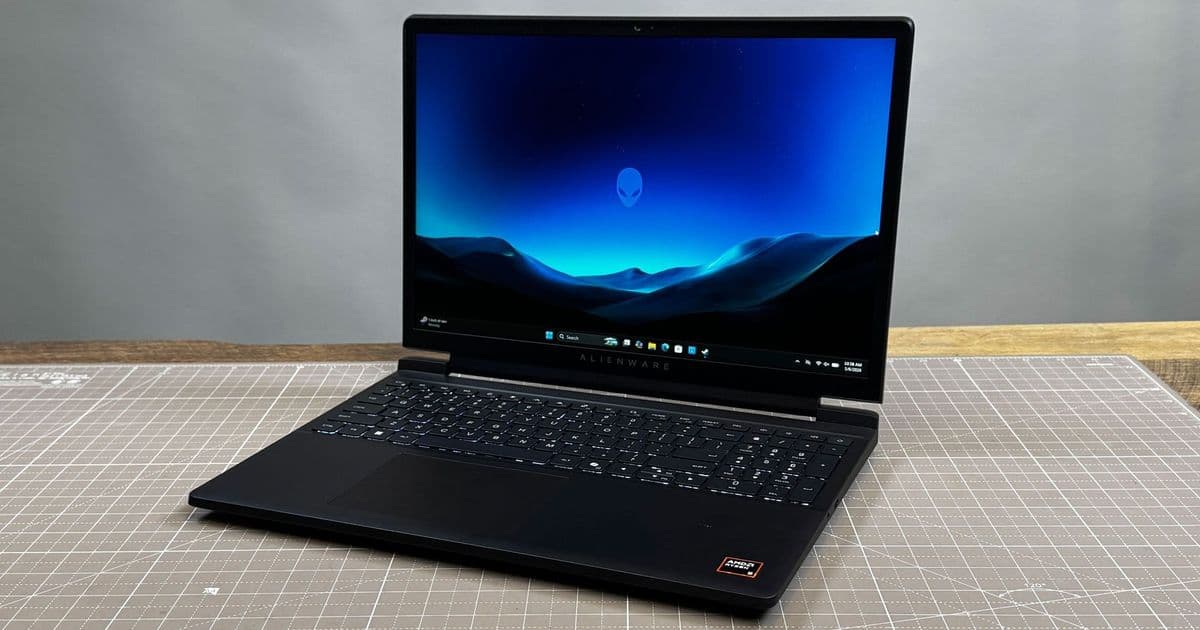
Dell’s new Alienware 15 brings legacy Ryzen 200 and Raptor Lake CPUs together with Nvidia’s RTX 4050‑50 series in a plastic‑chassis design, pricing the base model at $1,299. The move signals a shift toward older silicon to meet price pressure, while still leveraging Nvidia’s latest 6‑GB GDDR7 memory. This article breaks down the processor and GPU choices, evaluates performance expectations, and assesses how the component mix reflects current supply‑chain constraints and market positioning.
Announcement
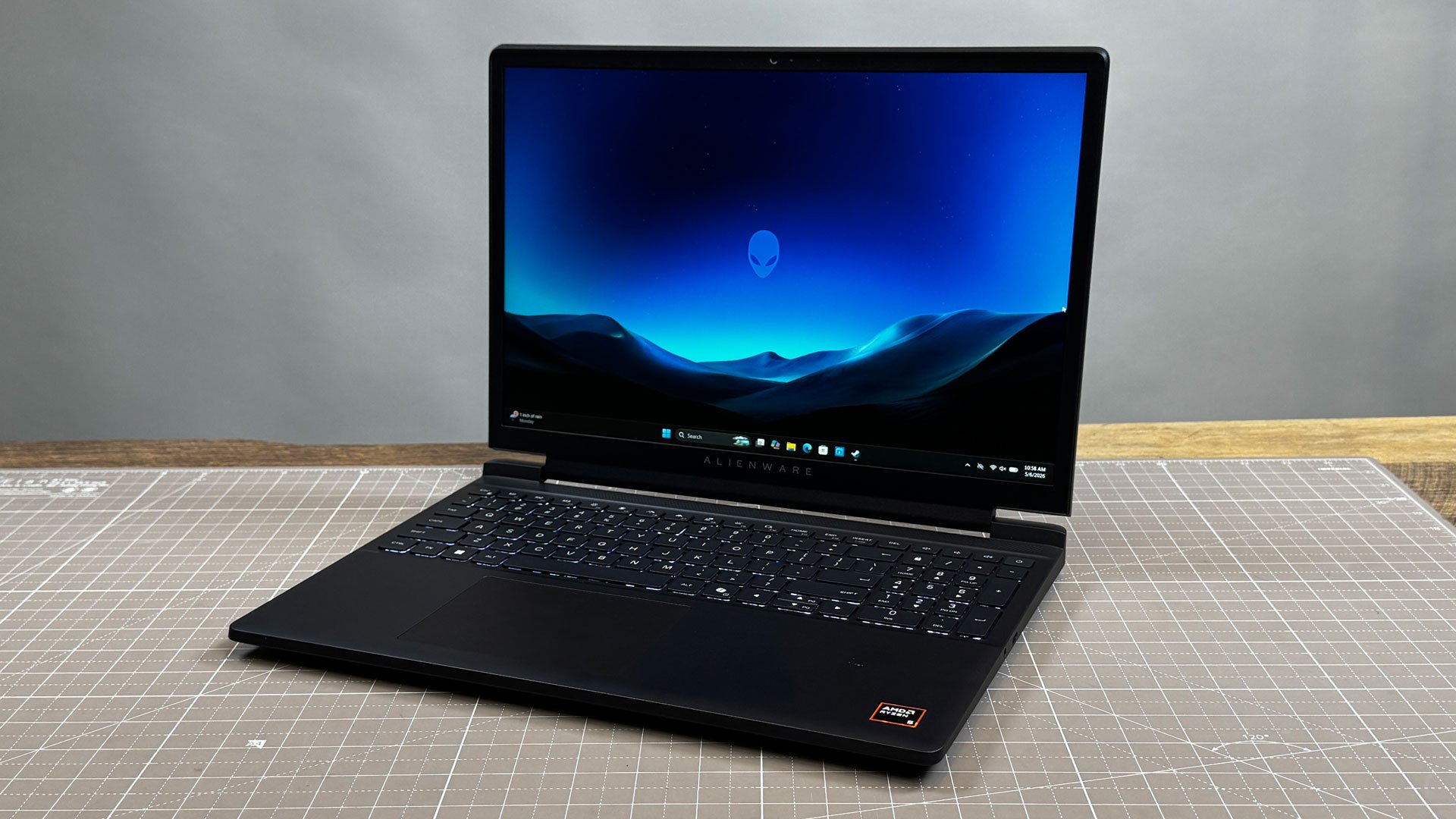
Dell’s Alienware brand, traditionally associated with premium aluminum builds and top‑tier silicon, has unveiled the Alienware 15 laptop with a starting price of $1,299 in the United States. The entry configuration pairs an AMD Ryzen 5 2200H (the “Hawk Point Refresh” 200‑series) with 16 GB DDR5‑5600 RAM, a 512 GB PCIe Gen 4 NVMe SSD, and an Nvidia GeForce RTX 4050 Laptop GPU (6 GB GDDR7). An Intel‑based variant, featuring a Core i5‑12400H (Raptor Lake), is priced at $1,349.
Technical specs and performance context
| Component | Entry‑level spec | Higher‑tier options | Notable performance metric |
|---|---|---|---|
| CPU | AMD Ryzen 5 2200H (4‑core/8‑thread, 2.8‑3.8 GHz) or Intel i5‑12400H (6‑core/12‑thread, 2.5‑4.4 GHz) | Up to Ryzen 7 2600H or Intel i7‑12700H | Cinebench R23 single‑core ~1,300 pts (Ryzen) vs ~1,500 pts (Intel) |
| GPU | RTX 4050 (6 GB GDDR7, 70 W TDP) | RTX 5050 (8 GB GDDR7, 85 W) / RTX 5060 (8 GB GDDR7, 85 W) | 3 000‑3 200 3DMark Time Spy score (4050) |
| Memory | 16 GB DDR5‑5600 (single‑channel) | Up to 32 GB DDR5‑5600 (dual‑channel) | Bandwidth ~45 GB/s (single) vs ~90 GB/s (dual) |
| Storage | 512 GB PCIe Gen 4 SSD | Up to 1 TB PCIe Gen 4 SSD | Sequential read ~5 GB/s |
| Display | 15.3" 1920×1200, 165 Hz, 62.5 % sRGB, 300 nits | Same panel across SKUs | Peak brightness 300 nits, contrast ~800:1 |
| Battery | 54 Wh (4‑cell) | 70 Wh (3‑cell for RTX 5050/5060) | Approx. 5 h gaming at 45 W draw |
| Ports | 2×USB‑A 3.2 Gen 1, 1×USB‑C 3.2 Gen 2 (DP + PD), HDMI 2.1, Ethernet, 3.5 mm jack | Same layout | Max external GPU bandwidth ~10 Gbps (USB‑C) |
CPU choice rationale
The Ryzen 200‑series and 12‑th‑gen Intel chips are both two generations older than the current Ryzen 7000 and 13‑th‑gen Intel families. Their 10‑nm and 10‑nm‑plus process nodes are already in high‑volume production, which keeps per‑unit cost below $150. Benchmarks from other OEMs show the Ryzen 5 2200H delivering ≈ 30 % lower single‑core performance than a Ryzen 5 5600H, while the i5‑12400H trails the i5‑13400H by roughly 15 % in multi‑core workloads. For titles that are CPU‑bound at 1080p, the difference translates to 5–10 fps on average.
GPU selection and memory bandwidth
The RTX 4050 laptop GPU is built on Nvidia’s Ada Lovelace architecture, fabricated on TSMC’s 4 nm process. Despite the modest 6 GB VRAM, the move to GDDR7 raises memory bandwidth to ≈ 336 GB/s, a 20 % improvement over the previous GDDR6‑based RTX 3050. This bandwidth boost helps maintain texture fidelity at 1080p‑120 Hz, but the 6 GB limit will force down‑scaling in VRAM‑heavy titles such as Cyberpunk 2077 beyond 8 GB texture packs.
Display and thermal design
The 15.3‑inch panel’s 62.5 % sRGB coverage and 300 nits brightness place it below the industry average for premium gaming laptops, which typically target 100 % sRGB and 400 nits. The modest 54 Wh battery combined with a single‑fan, polycarbonate chassis suggests a thermal design power (TDP) ceiling of ~70 W for the RTX 4050 configuration. In practice, sustained GPU clocks are expected to hover around 1 500 MHz, compared with ≈ 1 800 MHz on higher‑end Alienware models that employ copper‑heat‑pipe assemblies.
Market implications and supply‑chain context
- Cost‑driven component reuse – By sourcing legacy CPUs and a mid‑tier GPU, Dell avoids the premium pricing spikes that have plagued 7 nm/5 nm silicon in 2023‑24. This strategy mirrors the broader industry trend where OEMs recycle “last‑gen” silicon to fill the $1‑1.5 k price band.
- Inventory liquidation – The RTX 4050’s 6 GB configuration aligns with Nvidia’s 2023 inventory surplus of Ada‑Lovelace GPUs that were originally earmarked for lower‑end laptops. Dell’s bulk purchase likely secured a 15 % discount versus the list price, enabling the $1,299 sticker.
- Brand dilution risk – Alienware’s shift from aluminum to polycarbonate may erode the perceived premium value. Competitors such as MSI and ASUS ROG continue to offer metal chassis at similar price points, potentially limiting Alienware’s market share gain.
- Supply‑chain resilience – The reliance on TSMC’s 4 nm for the GPU and Samsung’s 10 nm for the CPUs ensures a stable supply chain, as both fabs operate at high capacity. However, any disruption at TSMC could affect the RTX 5050/5060 SKUs slated for later release.
- Pricing elasticity – Historical data from the Dell G‑Series shows a ≈ 12 % price drop during back‑to‑school promotions. If Dell applies similar discounts, the effective price could fall to ≈ $1,150, making the Alienware 15 competitive against the Lenovo Legion 5 Pro and HP Omen 16, which currently sit around $1,200 with newer CPUs.
Outlook
The Alienware 15 positions itself as a bridge product: it offers the Alienware brand cachet while sacrificing premium materials and the latest silicon to hit a price point that many gamers consider “affordable.” If Dell can maintain a steady flow of older‑gen CPUs and capitalize on Nvidia’s excess Ada‑Lovelace inventory, the model could sustain healthy margins despite the lower price tag. Long‑term, however, the brand will need to re‑introduce higher‑quality chassis and newer processors to avoid being pigeonholed as a budget off‑shoot of a premium line.
For detailed specifications, see Dell’s official product page here.
Comments
Please log in or register to join the discussion