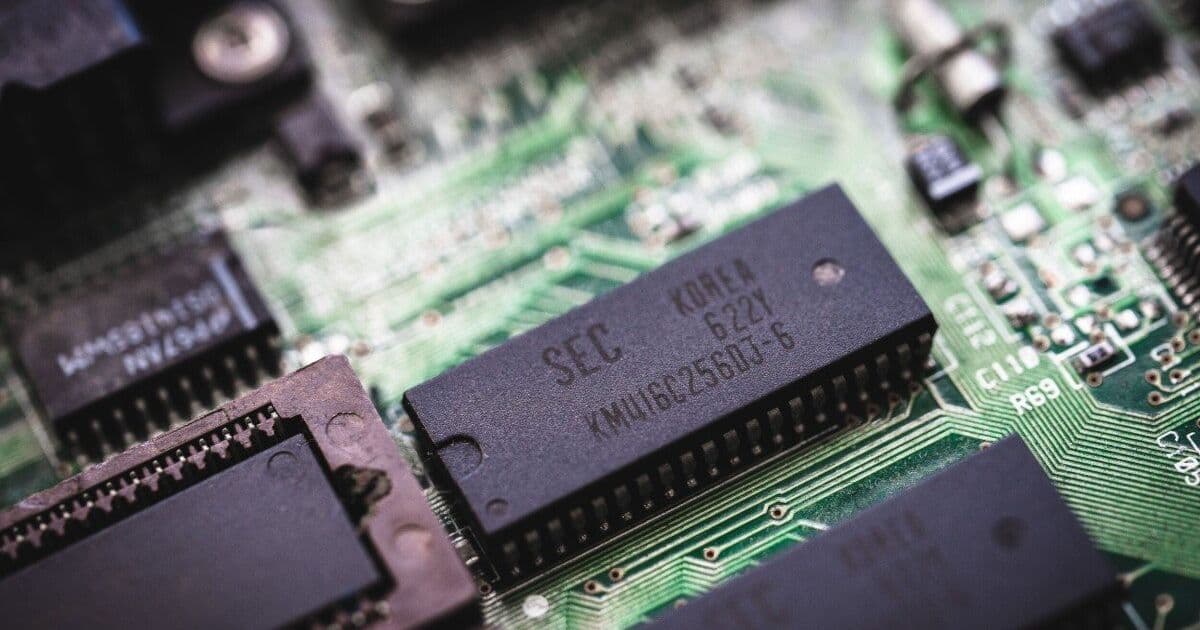
AMD bought MEXT to stretch scarce DRAM with flash and prediction software, a bid to lower data center memory costs while AI workloads drive demand.
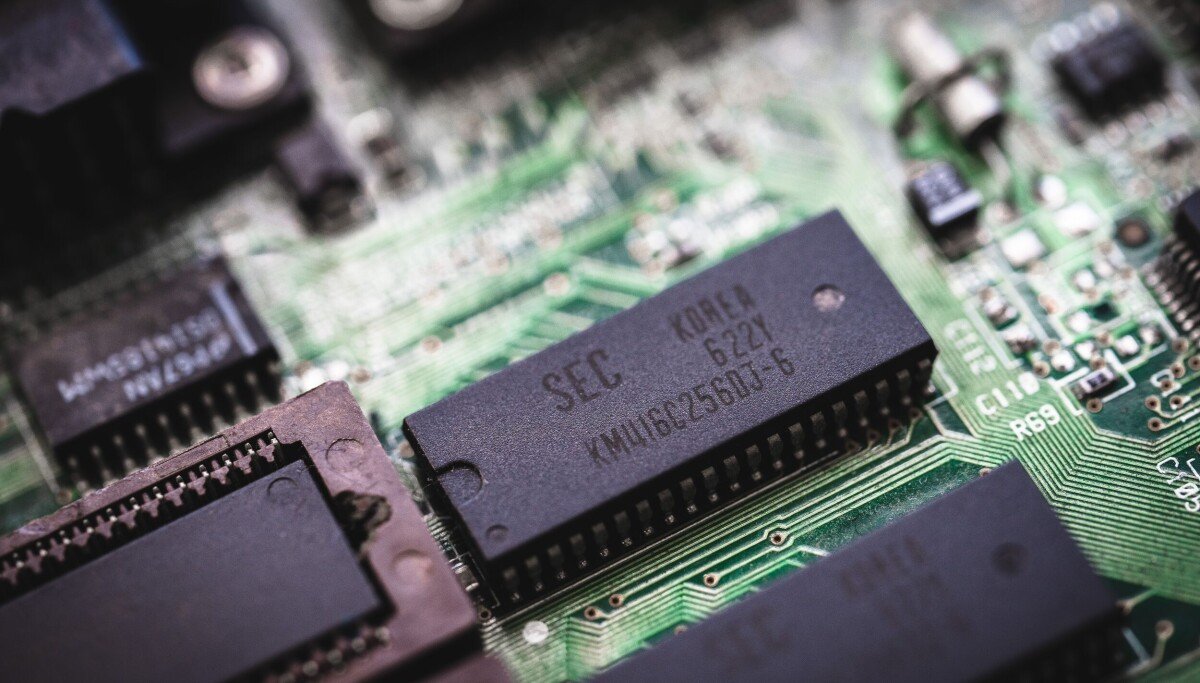
AMD bought MEXT, a memory optimization startup, as cloud providers and enterprises face rising pressure from AI systems that consume large pools of DRAM and high bandwidth memory.
AMD announced the acquisition Monday, June 15, 2026. The company did not disclose terms. Dan McNamara, senior vice president of AMD's compute and enterprise AI business, said AMD plans to use MEXT's technology across its data center portfolio.
MEXT builds software that lets servers use flash storage as a lower-cost memory tier. Administrators run the MEXT daemon, and the operating system sees expanded memory capacity. MEXT's Predictive Memory technology moves cold memory pages from DRAM to flash, watches application access patterns, and brings likely-needed pages back into DRAM before an application requests them.
That prediction step matters because flash costs less per gigabyte than DRAM but adds latency. A bad prediction can stall an application while the system fetches data from flash. A good prediction lets the application keep working from DRAM while the server carries a smaller DRAM footprint.
MEXT says its software can expand usable memory capacity by 2 to 4 times on existing systems. The company also says DRAM can account for 60% to 90% of a server's cost and that utilization can fall to 50% or below in many business environments. Those numbers frame the sale pitch: keep hot data in expensive memory, push cold data to cheaper flash, and use prediction to hide the penalty.
Memory tiering has a long history. Operating systems already swap memory pages to disk when servers run short. Intel and Micron tried a hardware route with Optane persistent memory, which placed a new memory class between DRAM and NAND flash. MEXT takes the software route and adds machine learning models that decide which pages move between tiers.
AMD gains a timely tool. AI model training and inference have made memory capacity a boardroom issue for chipmakers, cloud operators, and enterprise buyers. Large language models need fast memory to hold model weights, key-value cache data, and active workload state. Mixture-of-experts models add another wrinkle because some expert blocks may see more use than others.
AMD has not said it will use MEXT to move AI model weights between high bandwidth memory, system memory, and flash. The fit looks clear. If AMD can predict which model components an inference job needs next, customers could run larger models or serve more users from the same hardware budget. That outcome depends on workload behavior, model design, and tolerance for latency spikes.
The acquisition also gives AMD another software asset as it competes with Nvidia in AI infrastructure. AMD already sells EPYC CPUs, Instinct accelerators, Pensando networking products, ROCm software, and full rack-scale systems. MEXT gives AMD a memory efficiency layer that can sit closer to customer workloads.
Customers should watch the failure modes. Prediction software can lower costs when workloads show stable patterns. The same software can hurt performance when applications change access patterns, spike in use, or treat latency as a hard requirement. Buyers will need benchmarks that measure tail latency, recovery from bad predictions, SSD wear, and CPU overhead from the daemon.
The deal also shifts cost pressure rather than erasing it. If cloud operators use more flash as a memory tier, they may buy fewer DRAM modules per server, but they may also buy more enterprise SSD capacity. NAND vendors could benefit if hyperscalers adopt the approach at scale.
For enterprise IT teams, AMD's pitch will land best in memory-bound workloads that waste DRAM on inactive pages. Databases, analytics jobs, virtualized fleets, chip design tools, and media pipelines can carry large memory footprints with uneven access patterns. Those workloads give prediction software room to save money.
The tougher test sits in AI serving. Users notice latency when a chatbot pauses, an agent misses a service-level target, or a search system delays a response. AMD must prove that MEXT can hide flash latency often enough for production inference, not only expand capacity in a demo.
AMD framed the purchase as a way to improve performance, reduce total cost of ownership, and speed deployment. Customers will ask for proof in their own workloads. If AMD can show stable gains under production load, MEXT could give data center buyers one more way to handle the memory shortage that AI helped create.
Comments
Please log in or register to join the discussion