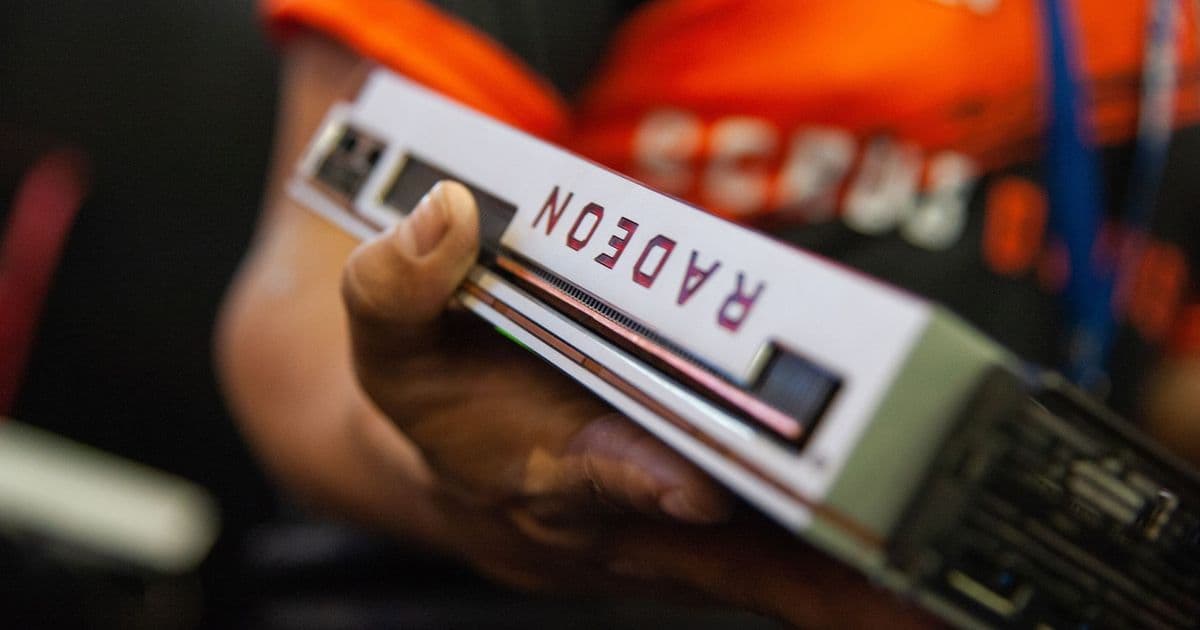
AMD pledges to shield gamers from worst of DRAM crisis while revealing double-digit price hikes across Radeon GPU lineup.
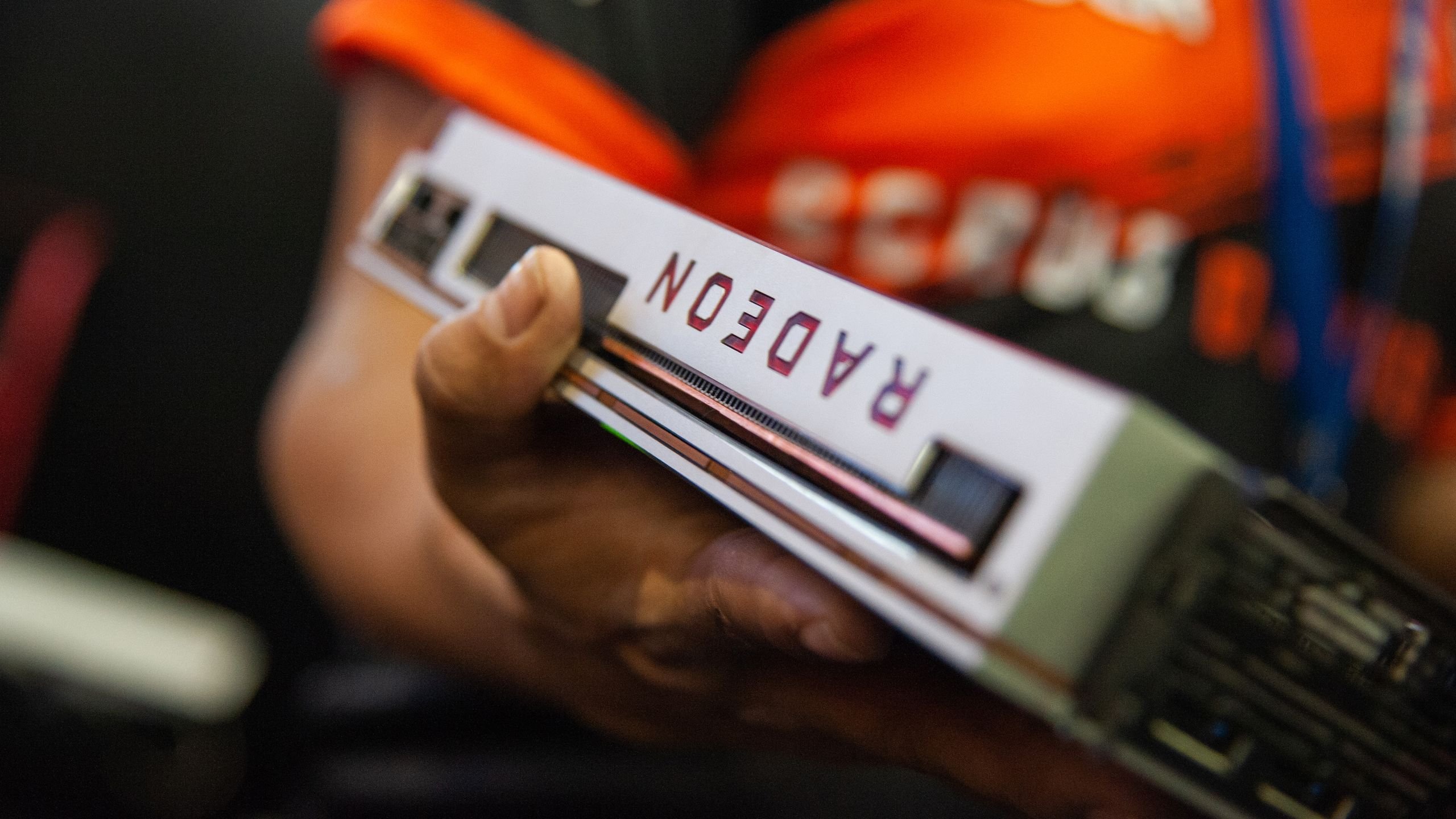
AMD has publicly committed to maintaining consumer GPU affordability as a severe DRAM shortage drives graphics card prices upward. David McAfee, AMD's Vice President and General Manager of Ryzen and Radeon, confirmed the company is implementing strategic measures to contain price increases despite industry-wide supply constraints.
The current DRAM shortage stems from unprecedented demand for high-bandwidth memory (HBM) in AI accelerators, diverting production capacity from GDDR6/GDDR6X memory used in gaming GPUs. This has created a 15-20% supply shortfall across the industry according to recent analyst reports. AMD leverages long-term supply agreements with memory manufacturers like Samsung, SK Hynix, and Micron to secure consistent allocations, but acknowledges these contracts can't fully offset market-wide deficits.
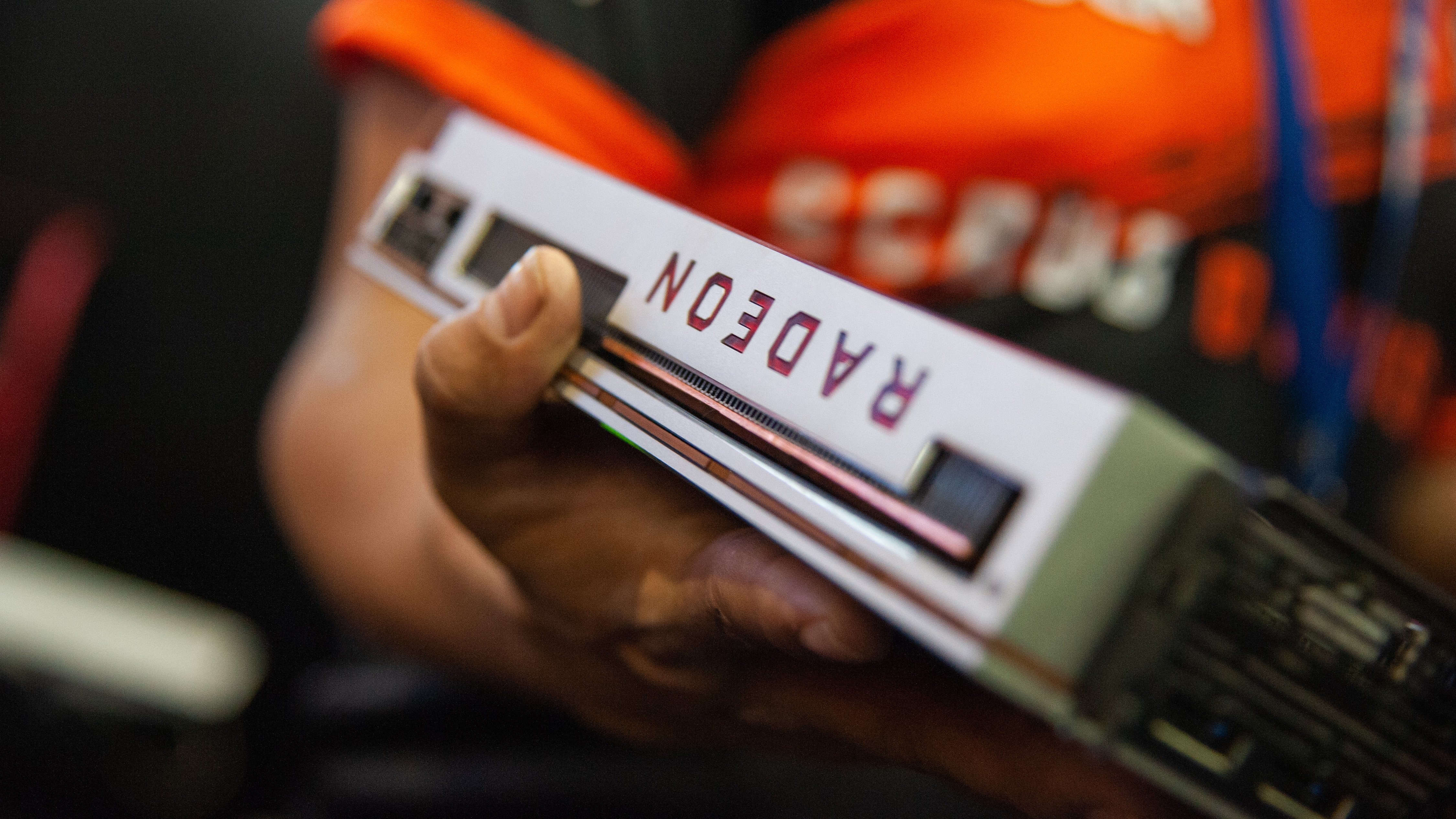
Current Radeon GPU pricing reflects these pressures:
- Radeon RX 9070 XT: 17% price increase
- Radeon RX 9070: 15% increase
- Radeon RX 9060 XT 16GB: 14% increase
- Radeon RX 9060 XT 8GB: 10% increase
Previous-generation Radeon RX 7000 series shows similar trends, with the budget-oriented RX 7600 XT experiencing the steepest increase at 13%. AMD confirms implementing a $10/8GB memory surcharge across RX 9000-series boards, translating to 3-5% base cost increases. The larger retail price jumps indicate additional margin adjustments by partners and retailers.
McAfee emphasized AMD's strategic positioning: "While we can't control global commodity markets, we're optimizing our memory configurations and board designs to deliver the best possible value. Our RDNA 4 architecture maintains competitive performance-per-dollar metrics despite these increases."
The pricing crisis presents both challenges and opportunities for AMD. NVIDIA's GeForce RTX 50-series reportedly faces even steeper 20-25% increases due to more complex board designs and higher memory configurations. This could make AMD's products relatively more attractive to budget-conscious gamers, particularly in the mainstream segment where Radeon RX 9060 series competes.
Industry analysts project the memory shortage could persist through 2028. TrendForce notes GDDR6 production growth remains constrained while HBM production commands premium pricing and manufacturing priority. For gamers, immediate relief appears unlikely. AMD recommends considering previous-generation cards or waiting for potential promotional periods as retailers periodically adjust inventory.
Ultimately, AMD's public commitment represents a strategic effort to maintain brand loyalty during a prolonged supply crisis. Whether they can contain prices within declared limits remains dependent on factors beyond their direct control - particularly DRAM wafer allocations and global demand fluctuations in the AI sector.
Comments
Please log in or register to join the discussion