
AMD's next-generation Ryzen 10000 desktop processors, codenamed Olympic Ridge, reportedly feature seven configurations including a flagship 24-core design with redesigned 12-core CCDs.
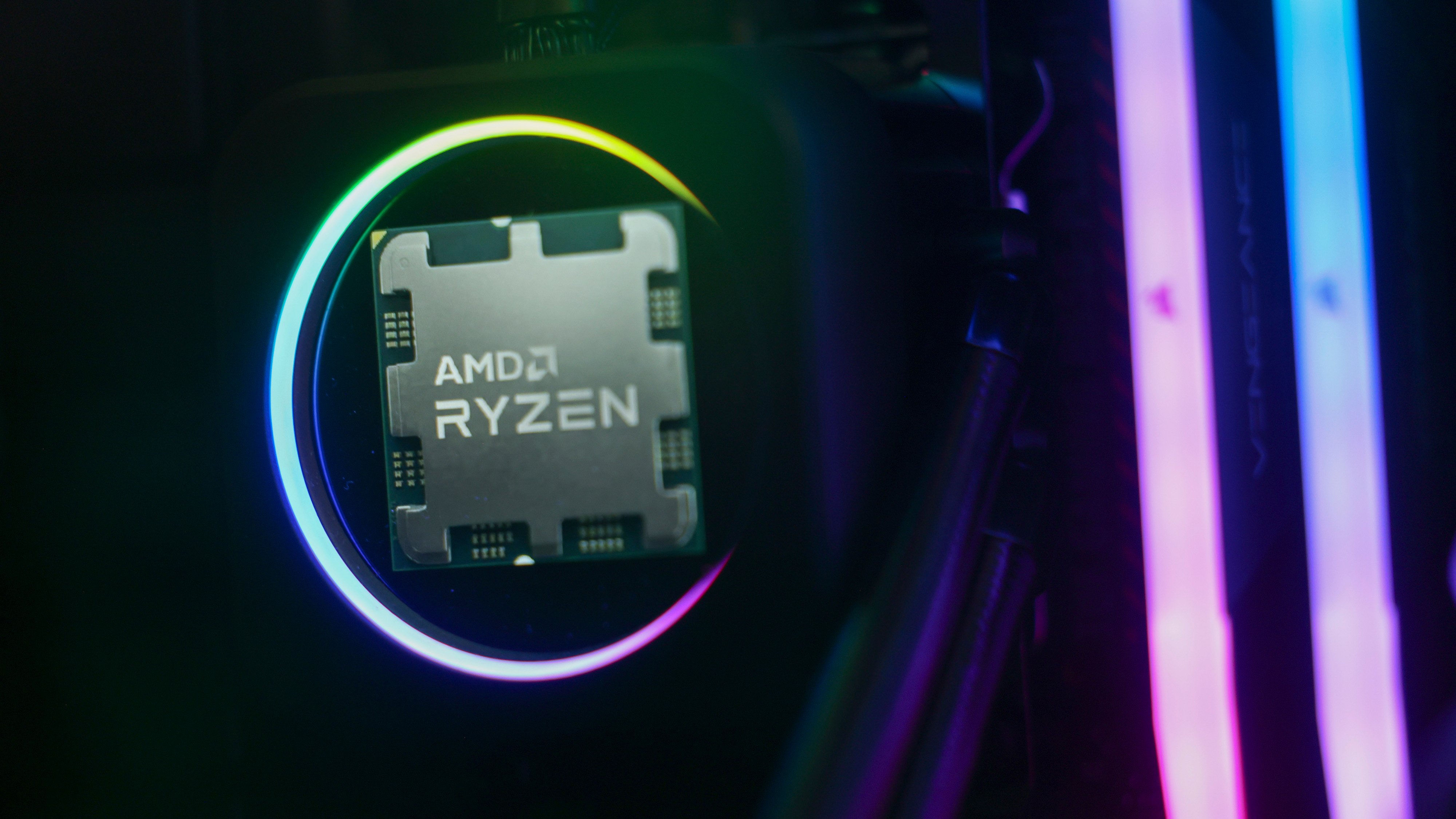
Industry sources indicate AMD's upcoming Ryzen 10000 series processors represent a fundamental shift in chiplet architecture and core scaling for desktop computing. Codenamed Olympic Ridge and based on the Zen 6 microarchitecture, these CPUs reportedly abandon the longstanding 8-core CCD (Core Complex Die) design in favor of new 6-core and 12-core chiplets. According to leaks from reliable hardware analyst HXL, this architectural overhaul enables seven distinct configurations across AMD's product stack.
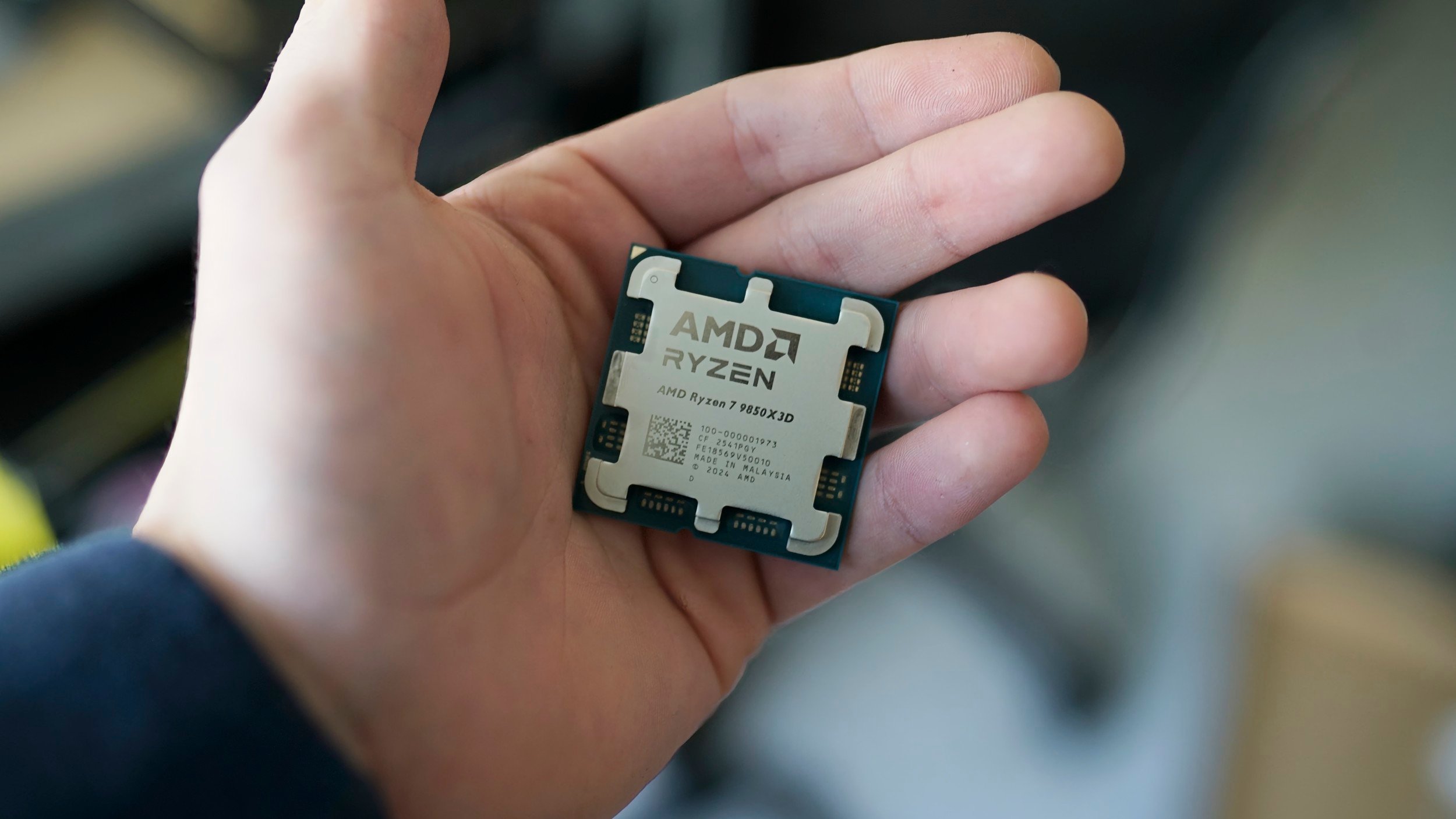
The single-CCD configurations include 6-core, 8-core, 10-core, and 12-core variants, while dual-CCD models scale to 16-core (8+8), 20-core (10+10), and 24-core (12+12) designs. This marks AMD's first departure from its traditional 8-core CCD structure since the original Zen architecture debuted in 2017. Each new CCD reportedly contains 48MB of L3 cache, meaning the flagship dual-CCD configuration would deliver 96MB of total L3 cache before accounting for potential 3D V-Cache variants.
This core-count expansion comes as Intel prepares its Nova Lake architecture, rumored to feature up to 52 cores and 288MB of bLLC (base Level Last Cache). Unlike AMD's approach of segregating high-cache models into separate X3D product lines, Intel appears positioned to integrate substantial cache directly into its mainstream flagship offerings.
From a manufacturing perspective, AMD's chiplet strategy provides significant supply chain advantages. By utilizing multiple CCD combinations across its product stack, AMD can maximize wafer yields at TSMC's 3nm or 2nm process nodes while maintaining AM5 socket compatibility. This contrasts with Intel's rumored platform transition for Nova Lake, which may require motherboard replacements.
The 12-core CCD design warrants particular attention. Increasing core density per chiplet presents thermal and power distribution challenges that AMD likely addressed through architectural refinements in Zen 6. Industry analysts project 12-18% IPC improvements over Zen 5 alongside clock speed increases approaching 5.8 GHz boost frequencies.
For consumers, this core count expansion creates clearer segmentation: 6-core models for entry-level systems, 12-core for mainstream gaming, and 20-24 core configurations targeting content creators and workstation applications. Market analysts note this positions AMD to compete more effectively in the high-core-count professional market where Intel currently holds advantage with its Core Ultra series.
Production timelines suggest Ryzen 10000 series processors will follow AMD's Ryzen 9000 series (Granite Ridge) in 2026, maintaining the company's annual release cadence. Component manufacturers anticipate corresponding DDR5 memory price reductions as production volumes increase ahead of these launches.

Hassam Nasir
Contributing Writer
Hassam Nasir is a hardware specialist with extensive experience in CPU architecture analysis and technology journalism. His expertise includes semiconductor manufacturing processes and performance benchmarking methodologies.
Comments
Please log in or register to join the discussion