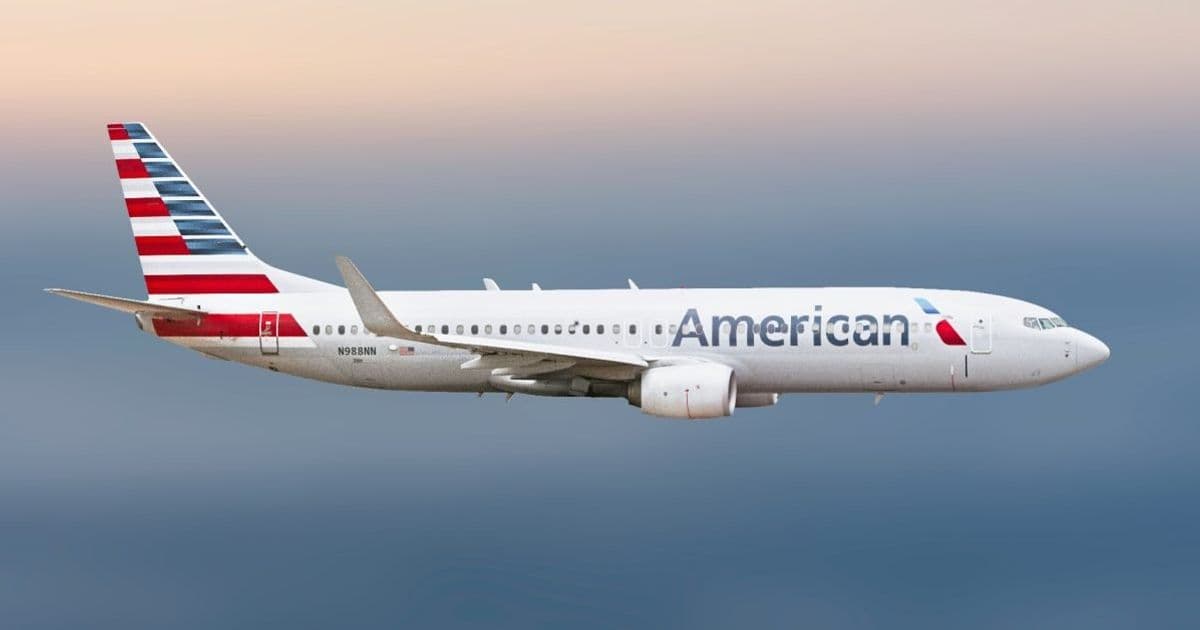
American Airlines will equip more than 500 narrow‑body Airbus jets with SpaceX’s Starlink Aero Terminal, delivering multigigabit connectivity from low‑Earth‑orbit satellites. The rollout begins in Q1 2027 and joins United, Southwest, Delta and JetBlue in the race to bring high‑speed satellite internet to commercial aviation.
American Airlines announced that it will begin installing SpaceX’s Starlink Aero Terminal on more than 500 narrow‑body aircraft in the first quarter of 2027. The upgrade targets new A321XLR and A321neo deliveries as well as existing fleet members, promising up to 1 Gbps per antenna and a reliable connection for streaming, gaming and collaborative tools while cruising at 35,000 feet.
Why the move matters for mobile developers
The jump from traditional Ka‑band satellite links to a low‑Earth‑orbit (LEO) constellation changes the bandwidth and latency profile that apps can expect in the cabin. Whereas legacy satellite services typically offered 10‑30 Mbps down and 2‑5 Mbps up with round‑trip times of 600‑800 ms, Starlink’s LEO network can deliver 100‑300 Mbps down and latency under 40 ms. For developers, this opens the door to richer in‑flight experiences:
- Live video conferencing – apps like Zoom or Teams can now run with acceptable quality, making business travel more productive.
- High‑resolution media streaming – 4K video on the seat‑back screens or personal devices becomes feasible without aggressive compression.
- Real‑time multiplayer gaming – latency low enough for turn‑based and some fast‑paced games.
- Collaborative editing – cloud‑based document editors can sync changes almost instantly.
Platform implications
iOS
- Network framework – Starting with iOS 18, Apple introduced the
NWConnectionenhancements that expose detailed path metrics (RTT, jitter, available bandwidth). When an iOS device detects a Starlink‑powered Wi‑Fi SSID, developers can query these metrics and dynamically adjust video bitrates or switch to a lower‑resolution fallback. - Background tasks – The new
BGProcessingTaskRequestallows apps to schedule large uploads (e.g., photo backups) when the connection meets a minimum bandwidth threshold, which Starlink can satisfy even on a moving aircraft. - Privacy – Apple’s location‑based networking policies still require user consent before an app can infer that the device is on an aircraft; the
CTCarrierAPI now includes anisAirborneflag for this purpose.
Android
- ConnectivityManager – Android 14 adds the
NetworkCapabilities.TRANSPORT_SATELLITEflag, enabling apps to detect satellite‑derived Wi‑Fi and request higher‑quality streams via theNetworkRequest.Builder. - Jetpack Compose – The
rememberNetworkStatuscomposable can be extended to react to the low‑latency profile, automatically enabling features like live subtitles for video. - Battery optimizations – Satellite links can be power‑hungry; Android’s
BatteryManagernow provides aBATTERY_OPTIMIZATION_SATELLITEhint that developers can respect to throttle background sync when the device is on a long‑haul flight.
Migration checklist for existing in‑flight apps
- Detect the connection type – Use the platform‑specific APIs above to differentiate Starlink Wi‑Fi from legacy satellite or ground‑based Wi‑Fi.
- Adjust quality thresholds – Update adaptive bitrate algorithms to take advantage of the higher throughput and lower latency. For video, raise the target bitrate from 2 Mbps to 8 Mbps; for audio, enable lossless codecs.
- Enable offline fallback – Even with Starlink, coverage gaps can occur over oceanic routes. Cache critical assets locally and resume uploads when the connection stabilizes.
- Respect data caps – Some airlines may impose per‑flight data limits. Implement a user‑controlled “data‑saving mode” that reduces background traffic.
- Test on real hardware – Emulators cannot reproduce the LEO latency profile. Use a portable Starlink terminal (available for developers on request) to validate performance before release.
Competitive context
American Airlines joins United, Southwest, Delta and JetBlue, all of which have signed contracts with either Starlink or Amazon’s Leo satellite service. The competition is pushing satellite providers to improve throughput and to certify hardware for the aviation environment (temperature, vibration, EMC). For developers, the key takeaway is that high‑speed, low‑latency satellite internet will become a baseline expectation for passengers, and apps that adapt to this environment will gain a distinct advantage.
Looking ahead
SpaceX plans to launch additional satellites through 2028, which should push the constellation past 5,000 units and further reduce latency. Apple’s upcoming iOS 19 SDK is rumored to include a dedicated AeroNetwork framework that abstracts the nuances of satellite‑derived Wi‑Fi, making it easier for developers to write one‑click adaptive code. Android’s roadmap hints at a similar SatelliteNetwork API in the next major release.
Developers who start integrating these detection and adaptation patterns now will be ready when the majority of long‑haul flights switch to LEO‑based connectivity. The era of sluggish, high‑latency in‑flight Wi‑Fi is ending, and the new bandwidth will let mobile experiences finally match what users enjoy on the ground.
Sources: American Airlines press release, SpaceX Starlink Aero Terminal spec sheet, Apple Developer Documentation – Network framework, Android Developers – ConnectivityManager
Comments
Please log in or register to join the discussion