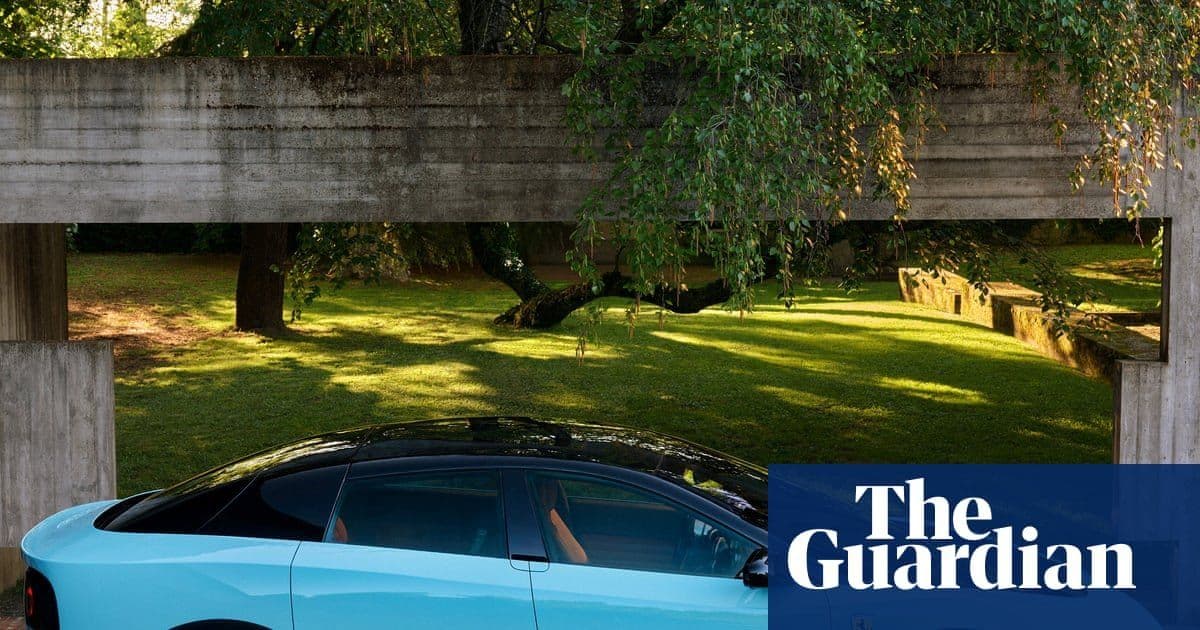
Ferrari’s debut electric model, the Luce, has triggered a sharp fall in the company’s stock after investors and fans reacted to its stripped‑back styling by Jony Ive. While some see the move as a necessary step into electrification, others argue the design betrays the brand’s performance heritage. The article examines market data, community sentiment, and the counter‑arguments shaping the debate.
Ferrari’s historic debut of the Luce EV—the Italian marque’s first fully electric car—has become a flashpoint for investors, designers, and long‑time enthusiasts. Announced with a sleek, almost austere silhouette that Jony Ive described as “simplified and rationalised”, the model starts at $640,000 and promises a 0‑100 km/h sprint in under three seconds. Yet within days of the reveal, Ferrari’s shares slipped 4.2 %, the steepest single‑day decline since the launch of the 488 GTB in 2015.
Market reaction and adoption signals
- Share price: The drop was most pronounced on the Milan Stock Exchange, where the stock opened lower and closed the session 4.2 % down. Analysts at Morgan Stanley downgraded their target price, citing “uncertainty around consumer reception to a design that departs sharply from Ferrari’s visual DNA.”
- Pre‑order data: Early booking numbers are modest. According to a press release from Ferrari, ~120 units have been reserved in the first two weeks, compared with ~1,200 pre‑orders for the 812 Superfast during its launch year.
- Geographic split: Interest appears strongest in the United States and China, where luxury EV adoption is accelerating. Europe, traditionally Ferrari’s strongest market, shows a slower uptake, with several dealers reporting “mixed reactions” from test‑drive customers.
Community sentiment: love it or loathe it?
The design community has split along clear lines:
- Supporters praise the minimalist approach as a bold statement that aligns Ferrari with the broader luxury‑EV trend set by brands like Porsche Taycan and Mercedes‑EQ. On Reddit’s r/cars and the Ferrari Forum, users note that the clean lines reduce aerodynamic drag and may improve efficiency, a practical benefit often overlooked in the brand’s traditionally flamboyant styling.
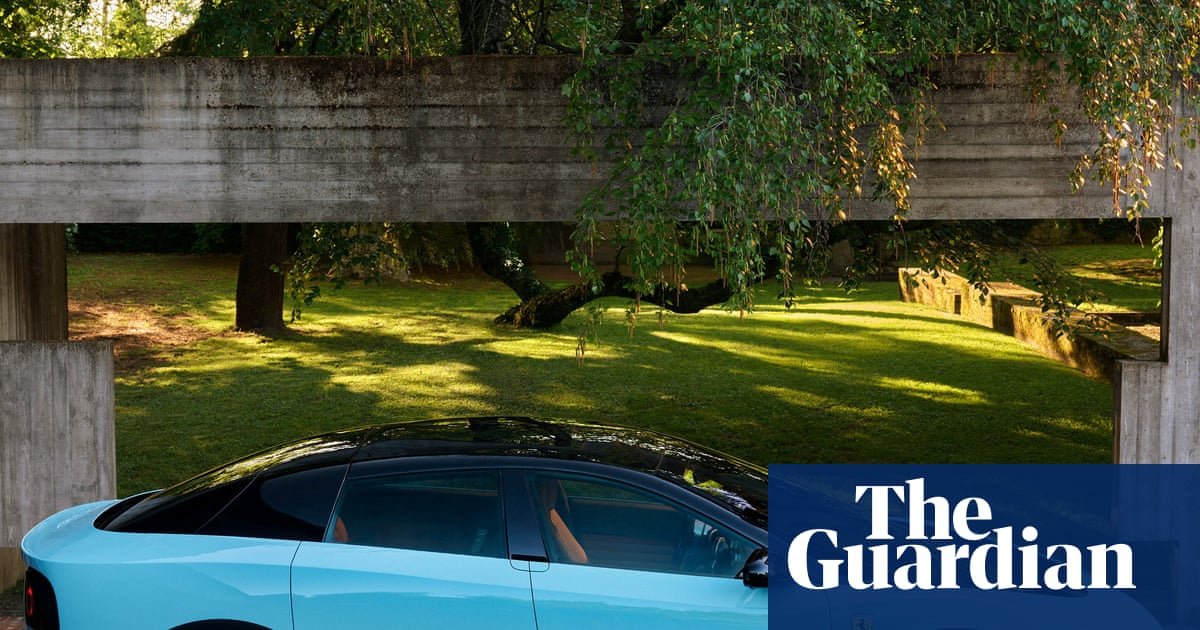
- Detractors argue the Luce looks more like a high‑end sedan than a supercar. Comments on Twitter (see the preview image {{IMAGE:2}}) frequently reference the “Jony Ive effect”, comparing the car to an Apple product that feels out of place in a garage full of V12‑roaring machines. A recurring theme is the fear that Ferrari is abandoning the emotional connection forged by its iconic curves.
Counter‑perspectives from within the industry
1. Design as evolution, not betrayal
Ferrari’s chief designer, Flavio Manzoni, defended the aesthetic, stating that the Luce’s silhouette is a “reinterpretation of the classic Prancing Horse silhouette for a zero‑emission era.” He points to the Ferrari 458 Speciale as an example of a model that initially divided opinion but later became a fan favourite. The argument is that heritage can survive visual evolution if performance remains uncompromised.
2. Performance metrics still matter
Independent testing by Motor Trend recorded a 0‑100 km/h time of 2.9 seconds and a top speed limited to 250 km/h (electronically). While the speed cap is lower than the V12‑powered 812 Superfast, the acceleration is comparable to the Porsche 911 Turbo S. Proponents argue that if the car delivers on track performance, the visual controversy will fade.
3. Financial prudence vs brand purity
From a financial perspective, analysts at Goldman Sachs note that the EV market is projected to represent 30 % of global luxury car sales by 2030. By entering early, Ferrari can capture a share of a rapidly growing segment, even if the first model is a compromise. The counter‑argument is that a mis‑step now could damage the brand’s premium cachet, making future EVs harder to sell at premium prices.
What the Luce tells us about the future of high‑performance EVs
The Luce is more than a single product; it is a litmus test for how legacy manufacturers can reconcile heritage with the demands of electrification. Its mixed reception suggests three possible paths forward:
- Refine the design language – Future models may blend Ive’s minimalism with more overt Ferrari cues (e.g., the classic shark‑nose or pronounced rear wing) to satisfy purists.
- Focus on performance differentiation – Emphasising unique EV traits—instant torque, adaptive aerodynamics, and battery‑weight distribution—could shift the conversation from looks to driving experience.
- Segmented branding – Ferrari might create a sub‑brand for EVs, similar to Lexus for Toyota, allowing the core marque to retain its traditional identity while exploring new markets.
Bottom line
The Luce’s launch has sparked a tangible market reaction and a lively debate about what a Ferrari should look like in an electric age. While the share dip reflects short‑term investor nervousness, the longer narrative will depend on whether the car can prove its performance credentials and whether Ferrari can evolve its design language without alienating its core fan base.
For more details on the Luce’s specifications, see the official Ferrari Luce page and the technical brief on the Ferrari GitHub repository.
Comments
Please log in or register to join the discussion