A South Korean court has cleared the way for Samsung Electronics to ratify a profit‑linked bonus scheme that would award memory‑chip workers up to $400 000, while non‑chip staff stand to receive only about $4 000. The decision removes the last legal hurdle, but dissent within other unions and shareholder groups could still affect implementation.
Announcement
A Suwon District Court ruling on Tuesday dismissed an injunction filed by five workers from Samsung’s Device eXperience (DX) division, effectively removing the final legal obstacle to ratifying Samsung Electronics’ new AI‑driven bonus plan. With the injunction gone, the vote by the Samsung Electronics Labor Union (SELU) is expected to close on Wednesday with a decisive approval, paving the way for a ten‑year profit‑sharing program that heavily favors the semiconductor side of the business.
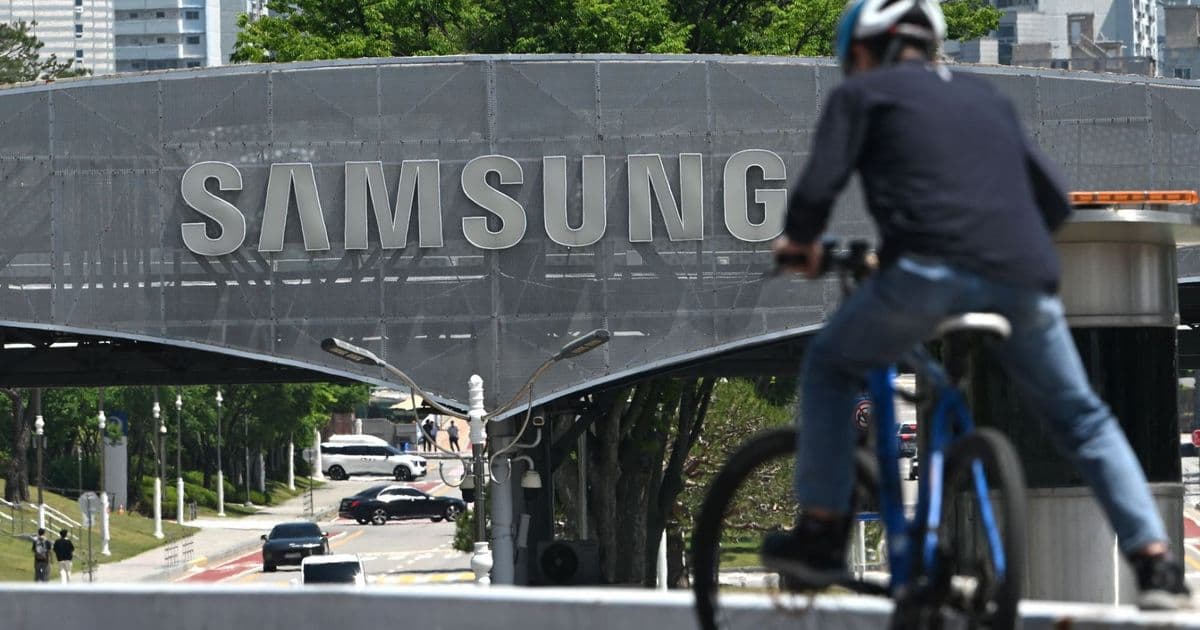
 Image credit: Getty / JUNG YEON‑JE
Technical and Financial Specs
- Bonus pool allocation – 10.5 % of the semiconductor division’s operating profit will be paid out as stock‑based bonuses, plus an additional 1.5 % in cash. The allocation is fixed for ten years but is contingent on hitting aggressive profit targets:
- 2026‑2028: 200 trillion won (≈ $132 billion) annual operating profit.
- 2029‑2035: 100 trillion won (≈ $66 billion) annual operating profit.
- Projected payout – Bloomberg estimates Samsung’s 2026 semiconductor operating profit at roughly 330 trillion won (≈ $218 billion). Applying the 12 % total bonus rate yields a pool of about 40 trillion won (≈ $26.6 billion) over the ten‑year horizon.
- Per‑employee distribution – The pool will be divided among roughly 78 000 semiconductor employees. Memory‑chip staff are slated to receive about 600 million won each (≈ $400 000). By contrast, workers in the DX division – which includes smartphones and home‑appliance teams – would receive only about 6 million won (≈ $4 000) under the current formula.
- Foundry and logic design – Employees in Samsung’s foundry and logic‑chip design units will see payouts lower than memory staff but still in the low‑hundreds‑of‑thousands‑of‑won range, reflecting the lower profit contribution of those segments.
Market and Supply‑Chain Implications
- Retention of memory‑chip talent – The $400 k payout aligns with the premium salaries offered by rivals such as Micron and SK Hynix for DRAM and NAND engineers. By tying compensation to operating profit, Samsung hopes to lock in the expertise needed to sustain its lead in high‑bandwidth memory (HBM) and next‑generation NAND.
- Potential morale gap – The stark disparity between chip and non‑chip staff could exacerbate existing friction in the packaging and assembly lines. Early reports of intentional slowdowns in HBM production suggest that disgruntled workers may already be leveraging the dispute to negotiate better terms.
- Shareholder pressure – A coalition of individual shareholders has threatened legal action, arguing that the profit‑linked bonus constitutes a distribution of corporate assets that requires a shareholder vote under Korean commercial law. If successful, the challenge could force Samsung to restructure the scheme or reduce its size, potentially weakening the incentive for chip engineers.
- Impact on Samsung’s competitive positioning – Assuming the plan proceeds, Samsung will have a more predictable cost structure for its memory business, allowing it to price aggressively against competitors. However, any disruption caused by ongoing union dissent could delay shipments of HBM and NAND, which are critical inputs for data‑center GPUs and AI accelerators.
- Long‑term profit targets – The 200 trillion won target for 2026‑2028 implies an average annual growth rate of roughly 15 % over the next three years, a level that exceeds the historical growth rate of Samsung’s semiconductor division. Meeting that goal will likely require continued expansion of advanced‑node production (3 nm and beyond) and a successful rollout of next‑gen memory technologies such as DDR6 and HBM3E.
Outlook
The court’s decision clears the immediate legal hurdle, but the broader dispute remains unsettled. The National Samsung Electronics Union (NSEU), representing about 20 000 workers across chip and non‑chip units, has signaled its intent to vote against the deal, and shareholder activism adds another layer of uncertainty. Samsung’s leadership, led by CEO Jun Young‑hyun, has urged employees to set aside the conflict to avoid production slowdowns that could jeopardize HBM deliveries to key customers like Nvidia and AMD.
If the bonus scheme is ratified as planned, Samsung will lock in a sizable, profit‑linked incentive for its memory engineers, potentially strengthening its position in the high‑value DRAM and NAND markets. However, the company must manage the morale gap between chip and non‑chip staff and address shareholder concerns to avoid supply‑chain disruptions that could ripple through the broader AI‑hardware ecosystem.
Comments
Please log in or register to join the discussion