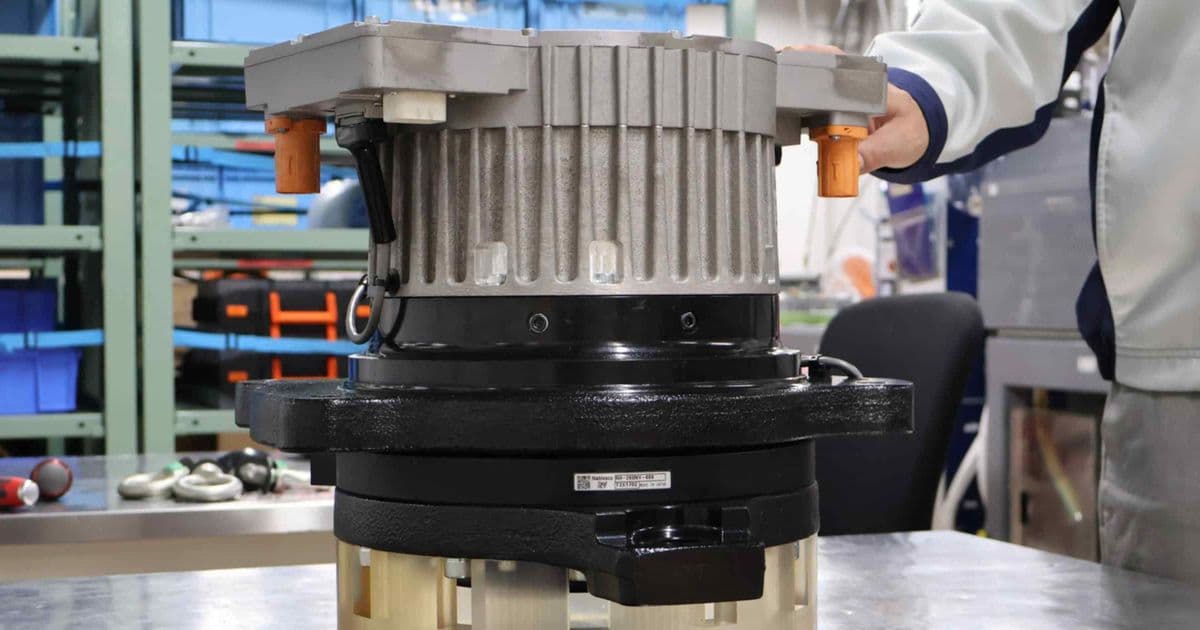
Japanese equipment maker Nabtesco will start mass‑producing fully electric power‑steering units for heavy commercial vehicles in 2027, aiming at China’s fast‑growing electric bus market as domestic demand in Japan flattens.
Business news
Japanese machinery specialist Nabtesco Corp. announced plans to launch mass production of its all‑electric power‑steering (EPS) system for large commercial vehicles in 2027. The move is timed to capture demand from China’s rapidly expanding electric‑bus fleet while Japan’s own EV market shows limited growth.
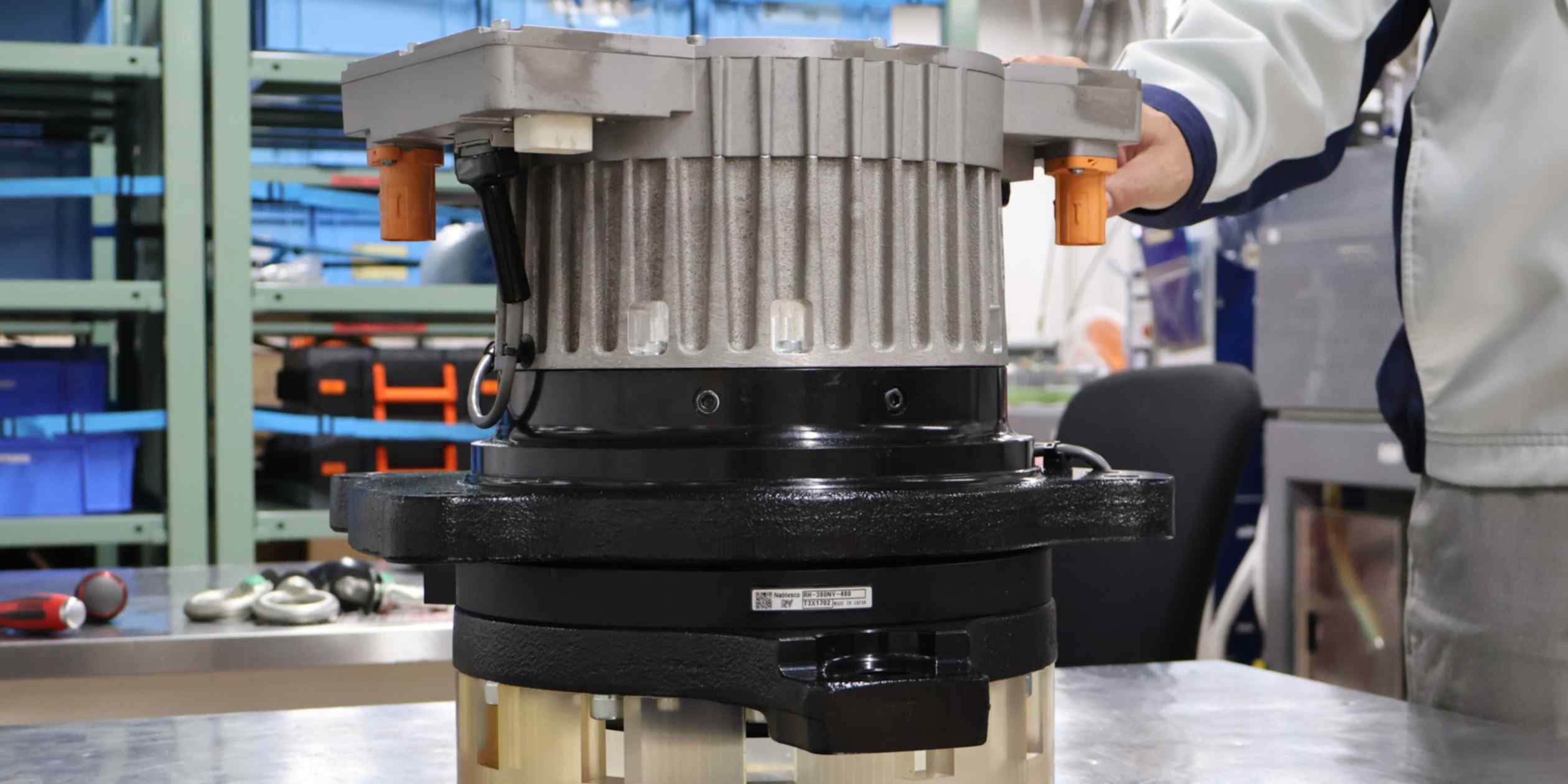
The EPS unit replaces the traditional hydraulic steering rack with an electric motor and electronic control module, eliminating the need for power‑drawn hydraulic pumps and associated fluid lines. Nabtesco expects an initial annual output of 150,000 units, enough to equip roughly 30 % of the projected 500,000 electric buses slated for Chinese cities between 2027 and 2030.
Market context
China’s commercial‑vehicle electrification is accelerating. According to the China Association of Automobile Manufacturers, electric buses accounted for 68 % of new bus registrations in 2025, up from 45 % in 2022. Government subsidies and stricter emissions standards have pushed city operators to replace diesel fleets faster than anticipated.
In contrast, Japan’s EV penetration for passenger cars sits at 22 % and shows only modest year‑over‑year growth. Heavy‑vehicle manufacturers such as Hino and Isuzu have reported flat sales for electric trucks and buses over the past two years, prompting domestic suppliers to look abroad for volume.
The EPS market itself is projected to reach $12 billion globally by 2030, with a compound annual growth rate (CAGR) of 9 %. Electric steering offers weight savings of 15‑20 kg per unit and reduces overall vehicle energy consumption by 0.3‑0.5 kWh per 100 km, a meaningful figure for electric buses where range is a critical metric.
What it means
Nabtesco’s decision signals a strategic shift from a Japan‑centric supplier model to a China‑focused growth engine. By securing early production capacity, the company aims to lock in contracts with major Chinese bus manufacturers such as Yutong, BYD and King Long, which together plan to deliver over 300,000 electric buses in the next five years.
Financially, Nabtesco projects the EPS line will contribute ¥120 billion (≈ $770 million) in revenue by fiscal 2032, representing roughly 8 % of its total sales. The higher margin of electric components—estimated at 15 % versus 9 % for hydraulic systems—should improve the firm’s operating profit ratio.
For the broader Japanese auto‑parts sector, Nabtesco’s move may encourage peers to accelerate electric‑drive component rollouts in China, potentially reshaping supply chains that have long been dominated by domestic Chinese firms. Investors will likely watch Nabtesco’s quarterly reports for order book growth and any partnership announcements with Chinese OEMs.
Overall, the mass‑production plan positions Nabtesco to ride the wave of commercial‑vehicle electrification, diversify away from a stagnant home market, and capture a share of a multi‑billion‑dollar global opportunity.
Comments
Please log in or register to join the discussion