
ASUS’s new VM441QA is the first desktop all‑in‑one to ship with Qualcomm’s Snapdragon X SoC, offering on‑device AI at 45 TOPS, a 23.8‑inch 1080p touchscreen, and up to 32 GB DDR5. The device arrives in India at roughly $1.2‑$1.3 k, positioning it against x86‑based premium AIOs.
ASUS Introduces Snapdragon X‑Powered All‑in‑One PC in India
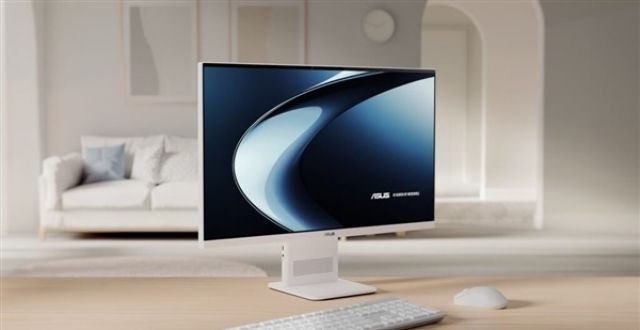
ASUS has started shipping the VM441QA in India, marketing it as the world’s first all‑in‑one desktop that runs on Qualcomm’s Snapdragon X platform. The machine combines a 23.8‑inch 1080p touchscreen with a 45 TOPS neural processing unit (NPU) and up to 32 GB of DDR5 memory. It is sold through major Indian retailers at 101,990 ₹ for the 512 GB SSD model and 111,990 ₹ for the 1 TB variant.
What the announcement claims
- First Snapdragon‑X AIO – a single‑board PC that replaces Intel/AMD CPUs in a desktop form factor.
- On‑device AI – 45 TOPS NPU enables Windows AI features such as real‑time video‑call framing, background blur, AI‑enhanced photo editing, and local file search without cloud upload.
- Premium display – 23.8‑inch IPS panel, 1080p, 178° viewing angle, 100 % sRGB, 300 nits.
- High‑end specs – up to 32 GB DDR5, PCIe 4.0 SSD, 5 MP webcam with Windows Hello, Dolby‑tuned 3 W stereo speakers.
- Connectivity – HDMI, Gigabit Ethernet, three USB‑A, one USB‑C, 3.5 mm jack.
The press release also highlights an included wireless keyboard and mouse, positioning the VM441QA as a ready‑to‑use workstation for both productivity and media consumption.
What is actually new?
Snapdragon X in a desktop context
Qualcomm’s Snapdragon X is a system‑on‑chip originally designed for high‑end laptops and 2‑in‑1s. It integrates a Kryo CPU cluster, an Adreno GPU, and a dedicated NPU. The 45 TOPS figure matches the performance advertised for the Snapdragon 8 Gen 3 mobile chip, but the AIO does not introduce a new silicon revision; it simply repurposes an existing mobile SoC for a larger chassis.
What this means for developers is that the same Qualcomm AI Engine APIs used on smartphones are now available on a Windows desktop. Existing Windows AI features (e.g., Windows Copilot, Microsoft Photos AI enhancements) can run locally, but the VM441QA does not add new instruction sets or accelerators beyond the standard Snapdragon X block.
Display and ergonomics
The 23.8‑inch panel is comparable to the screens found in HP’s Envy All‑in‑One line. Its 1080p resolution and 300 nits brightness are adequate for office work but fall short of the 4K panels that are becoming common in premium AIOs. The 100 % sRGB coverage is a modest improvement over many budget models, but it does not reach the DCI‑P3 or AdobeRGB ranges demanded by color‑critical professionals.
Memory and storage
Support for DDR5‑5600 and PCIe 4.0 SSDs is technically current, yet the configurations are limited to 512 GB or 1 TB. No mention is made of user‑upgradeable RAM slots, which could be a concern for power users who expect to add memory later.
Connectivity
The inclusion of a single USB‑C port is a step forward for peripheral flexibility, but the lack of Thunderbolt 4 means the device cannot leverage external GPU enclosures or high‑speed daisy‑chaining. Ethernet and HDMI are standard; there is no Wi‑Fi 7 support listed, which is increasingly common in 2026 laptops.
Practical implications and limitations
AI workloads are limited by the mobile‑grade GPU
While the NPU can handle inference tasks at 45 TOPS, the Adreno GPU is still a mobile‑class unit. Tasks that rely heavily on GPU compute—such as real‑time video transcoding or 3D rendering—will not match the performance of an equivalent desktop‑class AMD Radeon or Nvidia RTX chip. Users looking for AI‑accelerated content creation should temper expectations.
Software ecosystem remains Windows‑centric
The VM441QA ships with Windows 11, which has built‑in support for on‑device AI. However, the broader Linux community still lacks stable drivers for the Snapdragon X NPU, limiting the device’s appeal for developers who prefer open‑source stacks. Qualcomm’s Snapdragon SDK does provide some Linux support, but it is not yet production‑ready for desktop workloads.
Power and thermals
The AIO’s chassis does not disclose its thermal solution. Mobile SoCs are designed for low‑power envelopes (typically 15‑20 W TDP), which keeps energy consumption modest but also caps sustained performance under heavy loads. Expect the CPU to throttle after extended AI inference or multi‑threaded tasks.
Market positioning
At roughly $1,250, the VM441QA sits between the Apple iMac 24‑inch (with its M‑series SoC) and traditional x86 AIOs from Dell and HP. Its unique selling point is on‑device AI privacy, but the performance trade‑offs may make it a niche product for privacy‑focused enterprises or educators rather than a mainstream desktop replacement.
How to get more information
- Official ASUS product page: ASUS VM441QA
- Qualcomm Snapdragon X overview: Snapdragon X Platform
- Windows AI documentation: Windows AI on Snapdragon
Bottom line
The VM441QA demonstrates that Qualcomm’s Snapdragon X can be packaged in a desktop‑class all‑in‑one, offering on‑device AI without a cloud connection. The hardware itself is solid for everyday tasks, but the mobile‑grade GPU and limited upgrade paths keep it from challenging high‑performance x86 desktops. Buyers who prioritize local AI privacy and a clean, space‑saving form factor may find it attractive; power users should compare it against iMacs or Windows PCs with desktop‑class CPUs before committing.
Comments
Please log in or register to join the discussion