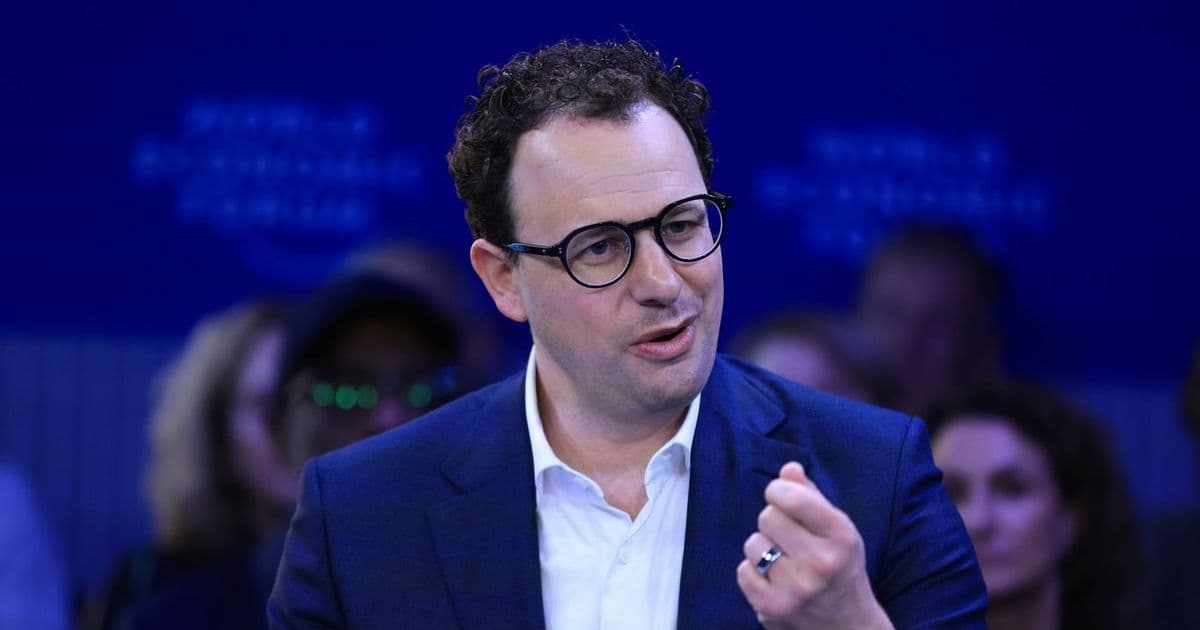
Anthropic CEO Dario Amodei issued a stark warning at Davos that advanced AI systems will soon 'test us as a species,' urging immediate preparation for societal-scale impacts.
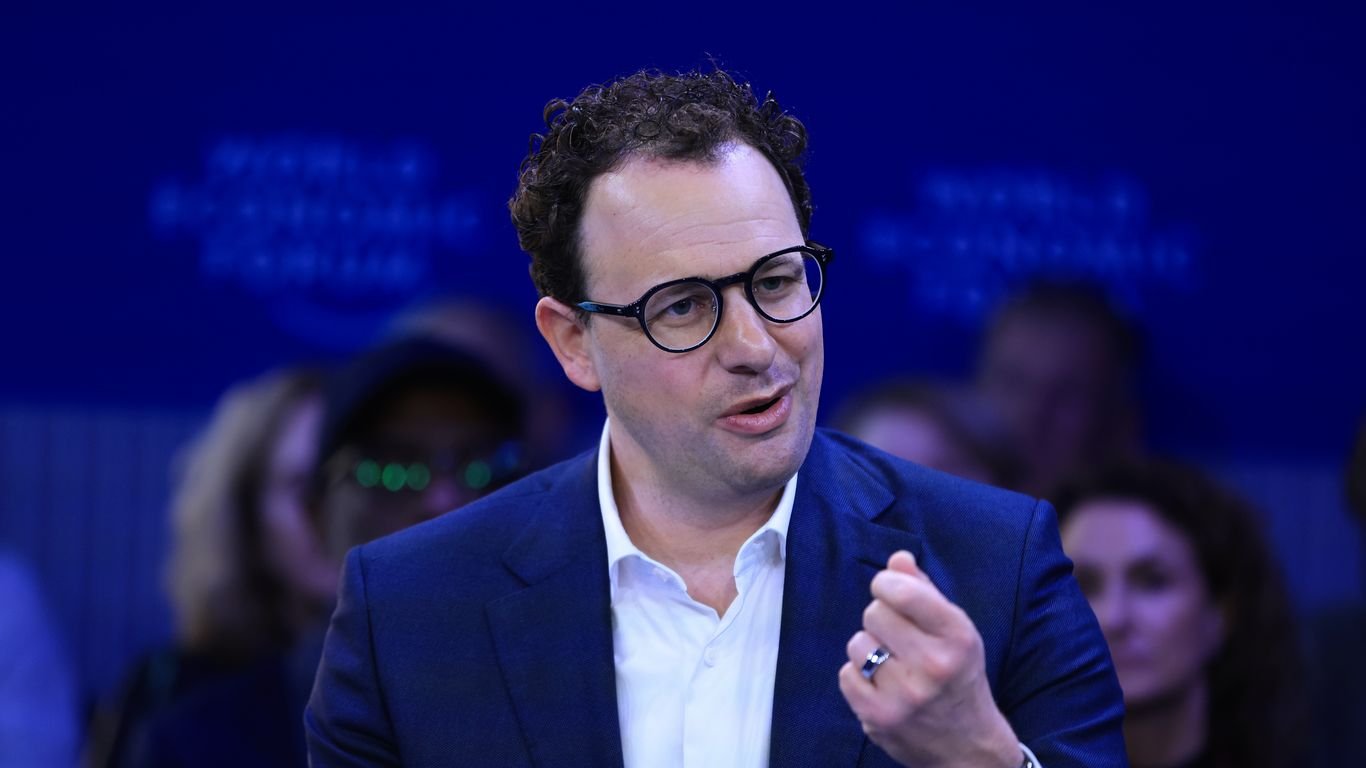
At the World Economic Forum in Davos, Anthropic CEO Dario Amodei delivered a sobering assessment of artificial intelligence's trajectory, stating that rapidly advancing systems will soon present unprecedented challenges to humanity's social and political structures. 'We are building systems that will test us as a species,' Amodei warned during closed-door sessions attended by global leaders and technology executives.
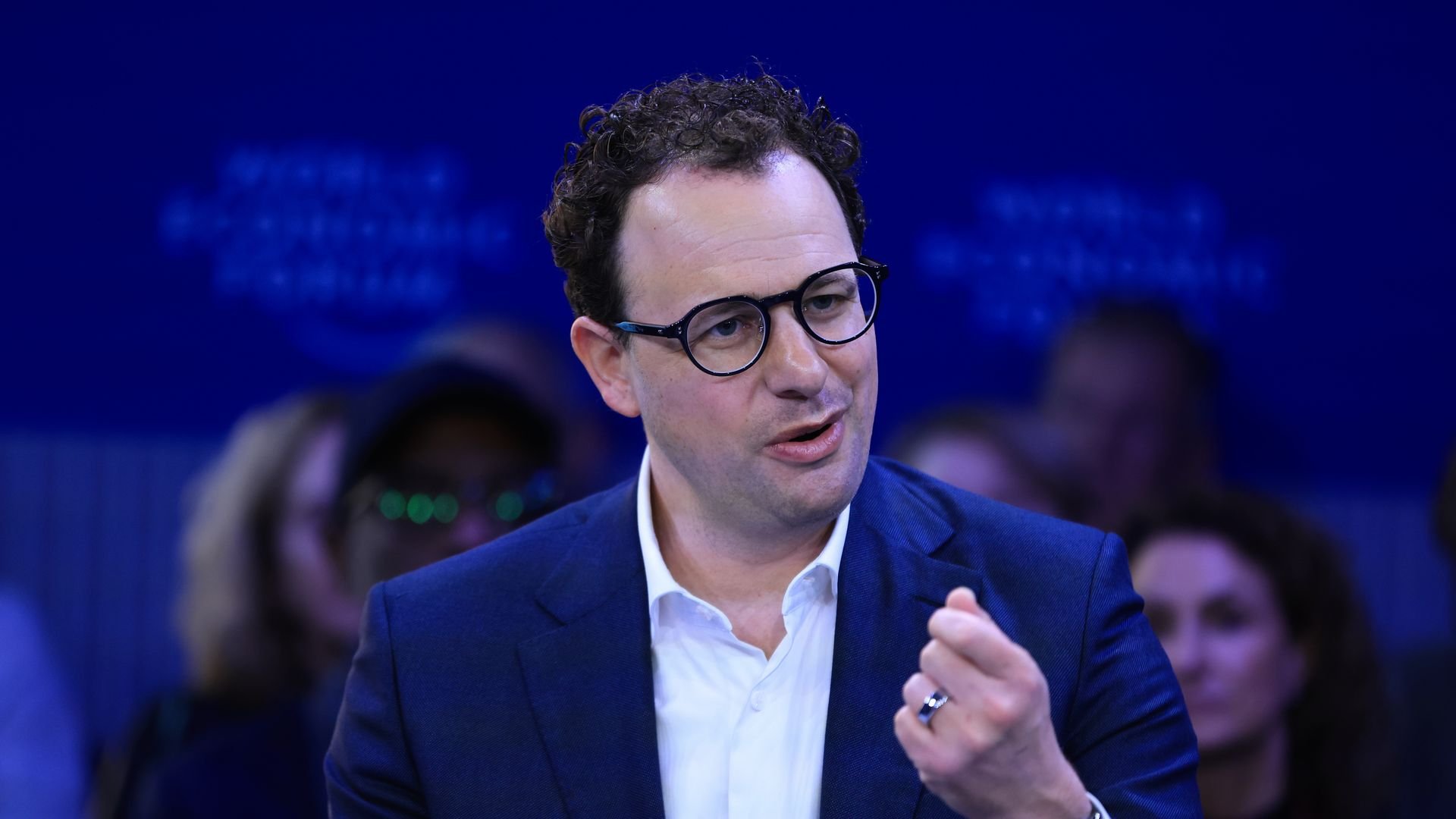
The CEO of the $18.3 billion AI startup, which recently secured $750 million in new funding from investors including Amazon and Google, contextualized his warning with concrete data points: Current frontier models require computational resources equivalent to tens of thousands of high-end GPUs, while next-generation systems slated for 2026-2027 could demand computational power 100 times greater. This exponential scaling curve positions Anthropic's Claude 3 and competitors like OpenAI's GPT-5 to achieve capabilities that could fundamentally disrupt labor markets, information ecosystems, and geopolitical stability within three years.
Market analysis indicates the AI sector attracted $42.8 billion in venture capital during 2025, with Anthropic capturing 12% of total investment. The company's enterprise customer base grew 140% year-over-year, reflecting corporate urgency to implement AI despite concerns. Strategic implications extend beyond technology: Governments now face pressure to establish regulatory frameworks for systems that could automate 40% of cognitive tasks currently performed by humans, according to McKinsey projections. National security agencies across five continents have established dedicated AI risk units, with the U.S. allocating $3.2 billion for AI safety research in its latest defense authorization act.
Amodei emphasized that Anthropic's constitutional AI approach – embedding explicit behavioral constraints during training – represents one mitigation strategy, but noted this remains unproven at scale. The company's recent $200 million investment in biologically-inspired AI safety research underscores the technical challenges ahead. Financial markets appear to be pricing in disruption, with AI-exposed stocks showing 30% higher volatility than tech sector averages since Q3 2025.
As AI capabilities approach human-level reasoning across multiple domains, Amodei stressed that preparation must extend beyond technical solutions to include institutional resilience. 'We're entering an era where single AI systems could impact billions of people,' he stated. 'That requires rethinking everything from liability frameworks to global governance.' With Anthropic projecting its systems will reach PhD-level expertise in multiple scientific fields by 2027, the timeline for meaningful intervention appears tighter than previously acknowledged in mainstream tech discourse.
Comments
Please log in or register to join the discussion