
Microsoft's aggressive AI integration in Windows 11 creates systemic instability while raising fundamental questions about the OS's core purpose, as critical system failures and Copilot bloat undermine user trust.
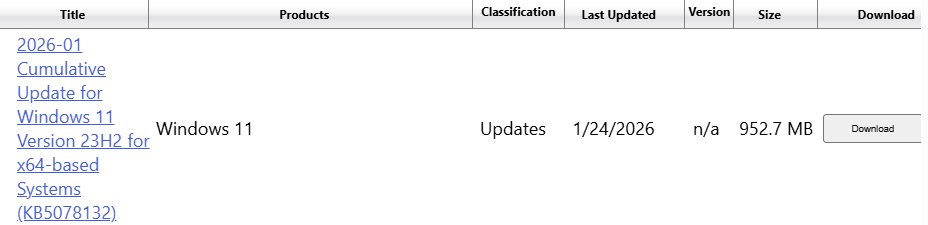
Three years after its controversial launch, Windows 11 finds itself trapped between legacy obligations and an AI-driven future. Recent system failures reveal deeper structural issues:
The January 2026 Breakdown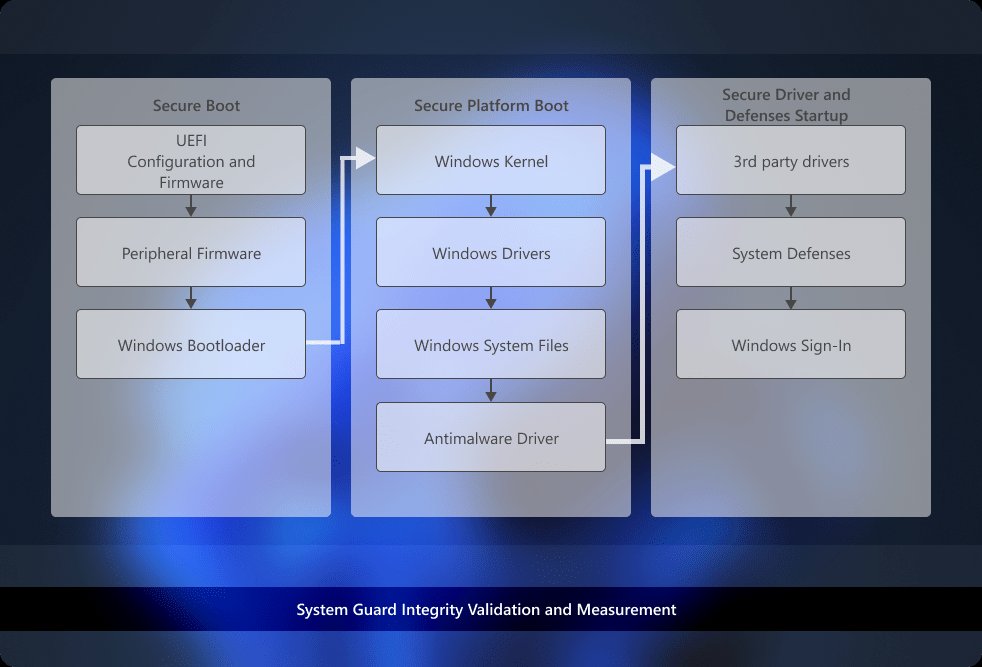
- Boot failures: KB5073455 update crippled shutdown functionality on Intel's latest chips due to Secure Launch conflicts, requiring emergency patch KB5077797
- Outlook paralysis: KB5074109 broke PST file access for cloud-storage users, with Microsoft initially suggesting webmail as solution before issuing KB5078132
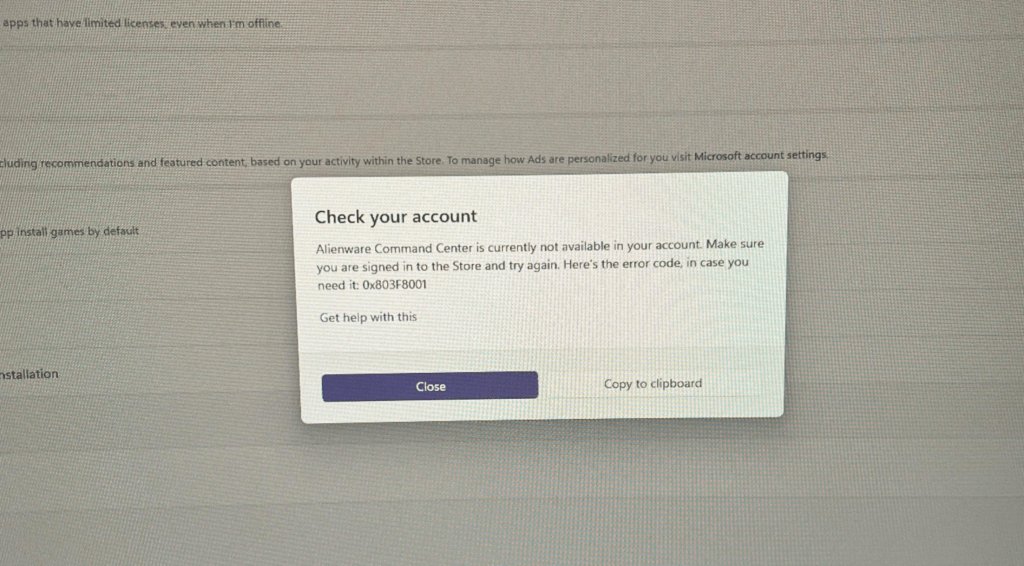
- System-wide instability: 0x803f8001 app crashes and 0x7f boot errors plagued enterprise environments
Technical Debt Meets AI Bloat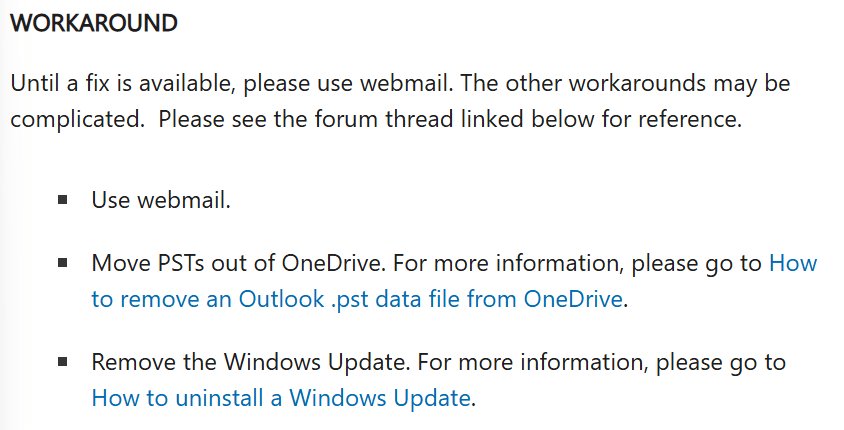 Windows Update packages ballooned 400% since 2023, driven largely by AI model integrations. The Copilot ecosystem now penetrates:
- File Explorer (despite performance regressions)
- Notepad and Paint
- Settings and Search interfaces
- Office productivity suite
Microsoft's $10B OpenAI investment manifests as forced account integration, with local account workarounds systematically eliminated. The Recall screenshot feature, temporarily withdrawn after security outcries, exemplifies Microsoft's high-risk AI implementation strategy.
Market Realities
Enterprise administrators report:
- 23H2 rollbacks due to RDP instability
- 40% longer troubleshooting cycles
- 15% increase in support tickets related to update-induced failures
While AI features target premium Copilot+ PC hardware, 78% of commercial devices lack required NPUs according to Gartner. This creates fundamental incompatibility between Microsoft's aspirational roadmap and installed hardware base.
Path Forward
Microsoft faces critical decisions:
- Rebalance resource allocation between AI features and core OS stability
- Address 30-year legacy code accumulation through modularization
- Develop hardware-agnostic AI implementation strategies
With Windows contributing $25B annually to Microsoft's revenue, the stakes for resolving these tensions couldn't be higher. As one enterprise architect noted: 'We're evaluating Linux thin clients not because they're better, but because Windows has become unpredictably expensive to maintain.'
Comments
Please log in or register to join the discussion