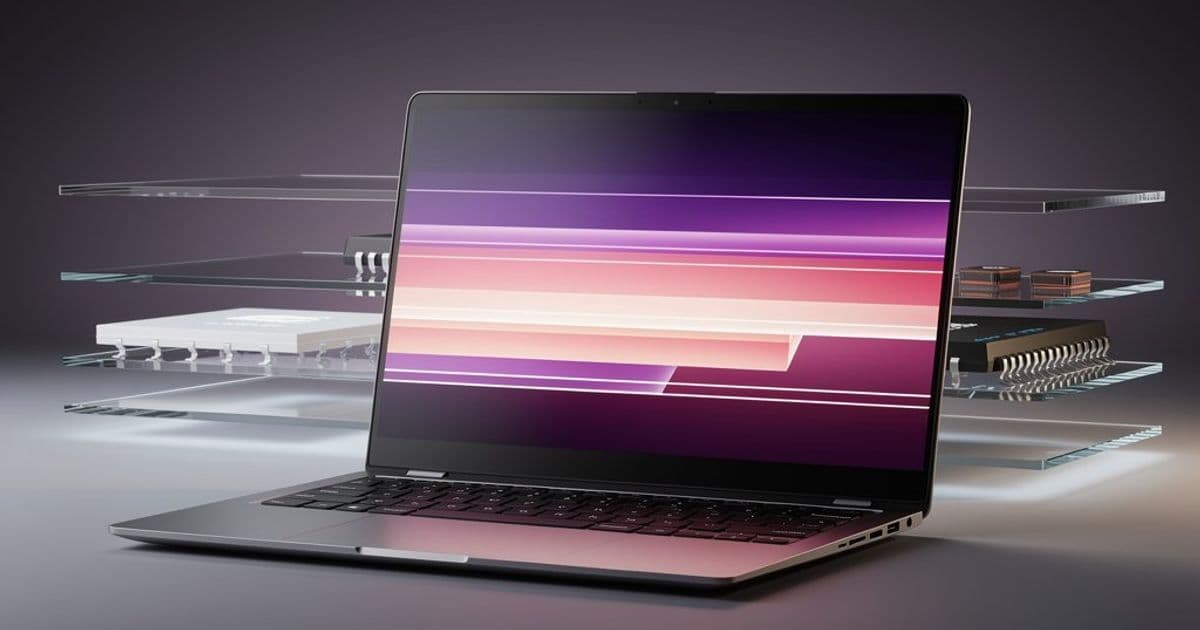
Samsung Display has reportedly begun mass production of OLED screens for Apple's next-generation MacBook Pro ahead of schedule, signaling potential timeline shifts for developers planning around the M6 chip and touchscreen Macs.
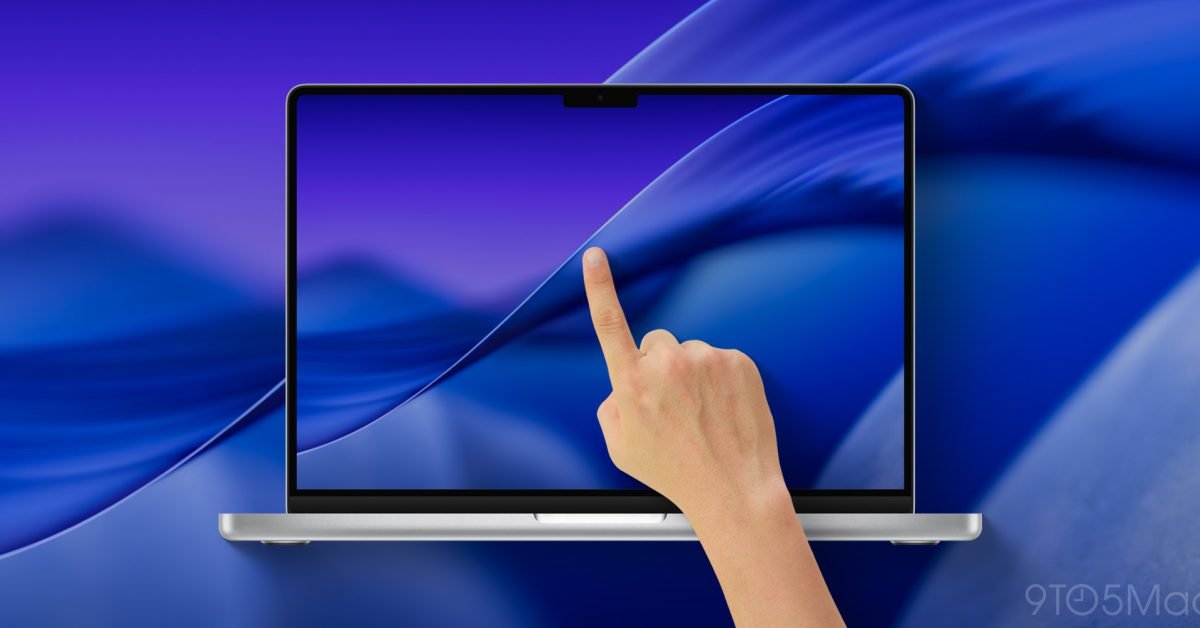
Apple's next-generation MacBook Pro, expected to feature an OLED display and potentially the first touchscreen Mac, may be arriving sooner than anticipated. According to a new rumor from yeux1122 on Naver, Samsung Display has kicked off mass production of the OLED panels destined for the upcoming MacBook Pro refresh ahead of schedule.
The source, which should be treated with appropriate skepticism given its track record, suggests Samsung initially planned to begin production in Q2 2026. If accurate, this acceleration could mean the M6-powered MacBook Pro might arrive earlier than the late 2026 to early 2027 window previously reported by more reliable sources like Bloomberg's Mark Gurman.
The Technology Behind the Display
The rumored OLED panels reportedly use the same tandem OLED technology found in the current iPad Pro. This architecture stacks two OLED layers to achieve higher brightness, better color accuracy, and improved longevity compared to traditional single-layer OLED displays. For developers, this means more consistent color rendering across different lighting conditions and potentially better battery life for applications that rely on display-intensive operations.
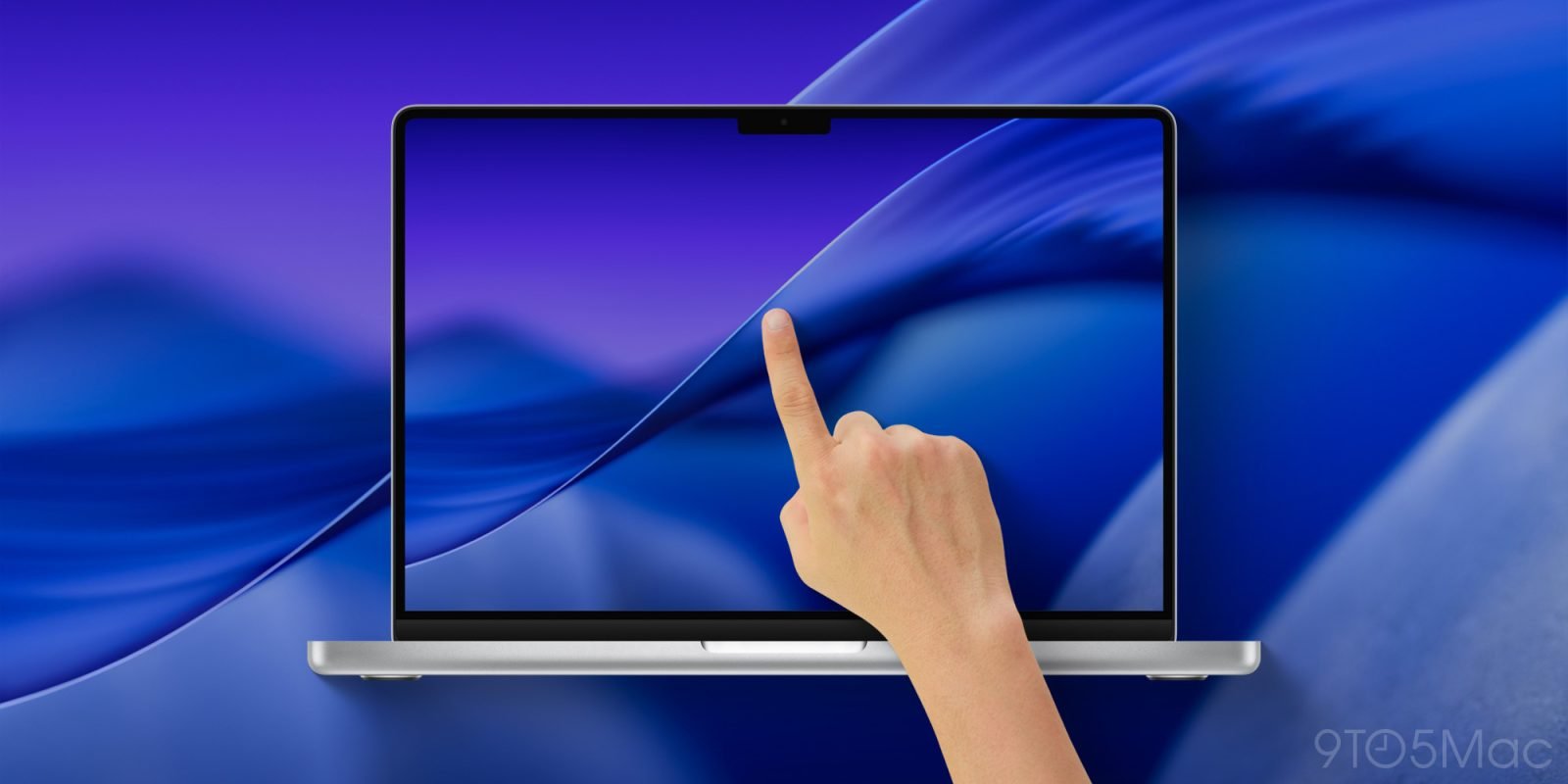
The display is expected to be "the best quality among all OLED laptops ever released," according to the translated Korean report. This matters for mobile developers because display quality directly impacts how UI elements render, color consistency across devices, and the overall user experience. The transition from mini-LED to OLED will require developers to reconsider how they handle dark mode implementations, HDR content, and color management in their applications.
What This Means for Development Timelines
For iOS and Android developers working on cross-platform applications, this accelerated timeline creates both opportunities and challenges:
Platform-Specific Considerations
iOS/macOS Development:
- The M6 chip will likely include enhanced Neural Engine capabilities, which could benefit machine learning models running locally on the device
- The introduction of a touchscreen Mac means iOS developers need to consider how touch interfaces translate to larger screens and different interaction patterns
- The hole-punch camera design (replacing the notch) will require UI adjustments for apps that currently accommodate the notch area
Cross-Platform Implications:
- Developers using Flutter or React Native will need to test their responsive layouts on the new aspect ratios and screen sizes
- The OLED display's true blacks and higher contrast ratios may reveal rendering issues in apps that don't properly handle alpha channels and transparency
- Touchscreen support on macOS could blur the lines between mobile and desktop interaction patterns, requiring thoughtful UX design
Current MacBook Pro Generation
It's important to note that Apple still has one more update planned for the current MacBook Pro lineup. The company is expected to release M5 Pro and M5 Max models as soon as this month. This means:
- M5-based development will remain relevant for at least another year
- M6 development can be planned for, but shouldn't disrupt current release cycles
- OLED-specific optimizations should be considered but not prioritized until the hardware is confirmed
Practical Development Considerations
Display Technology Transition
The move to OLED presents several technical considerations for developers:
Color Management:
- OLED displays have different color gamut capabilities compared to LCD/mini-LED
- Apps using System Color Management need to ensure proper color space handling
- Test your apps on actual OLED displays (like iPad Pro) to understand the visual differences
Power Management:
- OLED displays consume less power when displaying dark content
- Consider implementing dark mode as a default or offering it prominently
- Apps with persistent white backgrounds may see reduced battery life
Touch Interface Design:
- If the touchscreen rumor proves accurate, developers will need to design for both touch and trackpad/mouse input
- Consider how existing keyboard shortcuts translate to touch gestures
- Test UI element sizes for touch accuracy (minimum 44x44 points)
Development Environment Updates
Developers should prepare their toolchains for the new hardware:
- Xcode Updates: Expect new simulator configurations for the M6 chip and OLED display profiles
- Testing: Plan for physical device testing once the hardware is available
- Performance Profiling: The M6 will likely offer improved GPU performance, affecting graphics-intensive applications
Cross-Platform Development Tools
For developers using cross-platform frameworks:
Flutter:
- The framework already handles high-DPI displays well, but OLED-specific optimizations may be needed
- Consider using the
DisplayAPI to detect display characteristics and adjust rendering accordingly
React Native:
- The new display technology may affect how
StyleSheetproperties render, particularly opacity and shadow effects - Test on actual OLED devices (iPad Pro) to identify potential issues
Native Development:
- Swift developers should review
UITraitCollectionandNSWindowAPIs for handling new display characteristics - Kotlin/Java developers on Android should consider how their responsive layouts will adapt to macOS's window management
Timeline and Planning
Based on the current information:
Q1 2026: M5 Pro/Max MacBook Pro release (confirmed) Q2-Q3 2026: Potential early production of M6 OLED displays (rumored) Late 2026 - Early 2027: M6 MacBook Pro release (expected)
For development teams, this means:
- Continue optimizing for current M-series chips
- Begin testing OLED-specific features on iPad Pro if available
- Plan for touchscreen interface updates if the rumor proves accurate
- Monitor Apple's developer documentation for new APIs related to display technology
Broader Industry Impact
This move by Apple could accelerate OLED adoption across the laptop industry. For mobile developers, this means:
- Increased consistency in display quality across devices
- New opportunities for apps that leverage high-contrast visuals
- Potential fragmentation as other manufacturers adopt OLED at different rates
The rumored acceleration of production suggests Apple is confident in the technology and manufacturing process. For developers, this confidence translates to a more predictable timeline for planning application updates and new feature development.
Recommendations for Developers
- Stay Informed: Follow Apple's developer announcements and WWDC sessions for official details
- Test Early: If you have access to OLED displays (iPad Pro), test your applications now
- Plan for Touch: Consider how your application would work with touch input, even if you're not targeting macOS initially
- Monitor Performance: The M6 chip will likely offer significant performance improvements—profile your apps to identify optimization opportunities
- Update Documentation: Prepare your app documentation for the new hardware specifications
The rumored acceleration of the OLED MacBook Pro timeline represents a significant shift in Apple's laptop strategy. For developers, this means adapting to new display technologies, considering new interaction paradigms, and planning for hardware that may arrive sooner than expected. While the rumor should be treated with appropriate skepticism, the underlying trend toward OLED displays and potential touchscreen support is consistent with Apple's recent direction across their product lineup.
Comments
Please log in or register to join the discussion