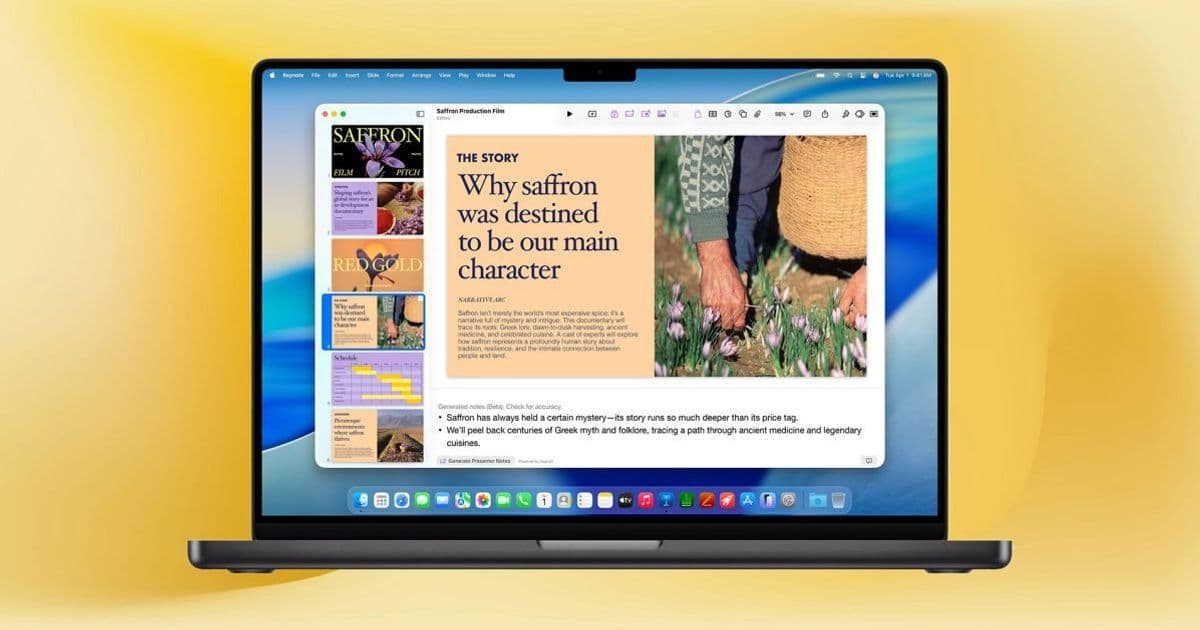
Apple's core productivity apps Pages, Numbers, Keynote and Freeform are transitioning to a freemium model where advanced AI features and premium content will require an Apple Creator Studio subscription, while basic functionality remains free.
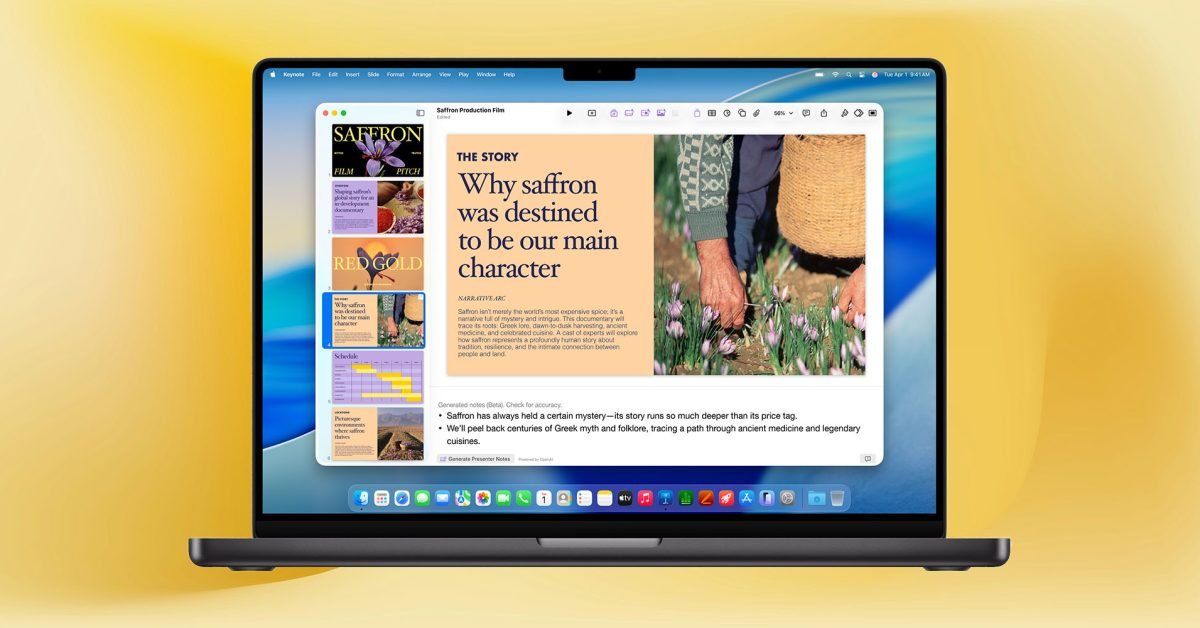
Apple is fundamentally changing the business model for its flagship productivity applications. Pages, Numbers, Keynote, and the newer Freeform app are transitioning from completely free offerings to a freemium approach where advanced capabilities will require a paid subscription. This strategic shift marks a significant departure from Apple's longstanding practice of bundling these apps at no cost with its hardware ecosystem.
The change was revealed in Apple's announcement materials for its new Apple Creator Studio subscription bundle. While core document creation, editing, and collaboration features will remain accessible without charge, premium functionality will be gated behind the subscription:
- AI-Powered Features: New intelligent capabilities leveraging machine learning
- Premium Templates & Themes: Expanded design resources in Pages, Numbers and Keynote
- Content Hub Access: Curated library of high-quality media assets
- Advanced Functionality: Unspecified productivity enhancements
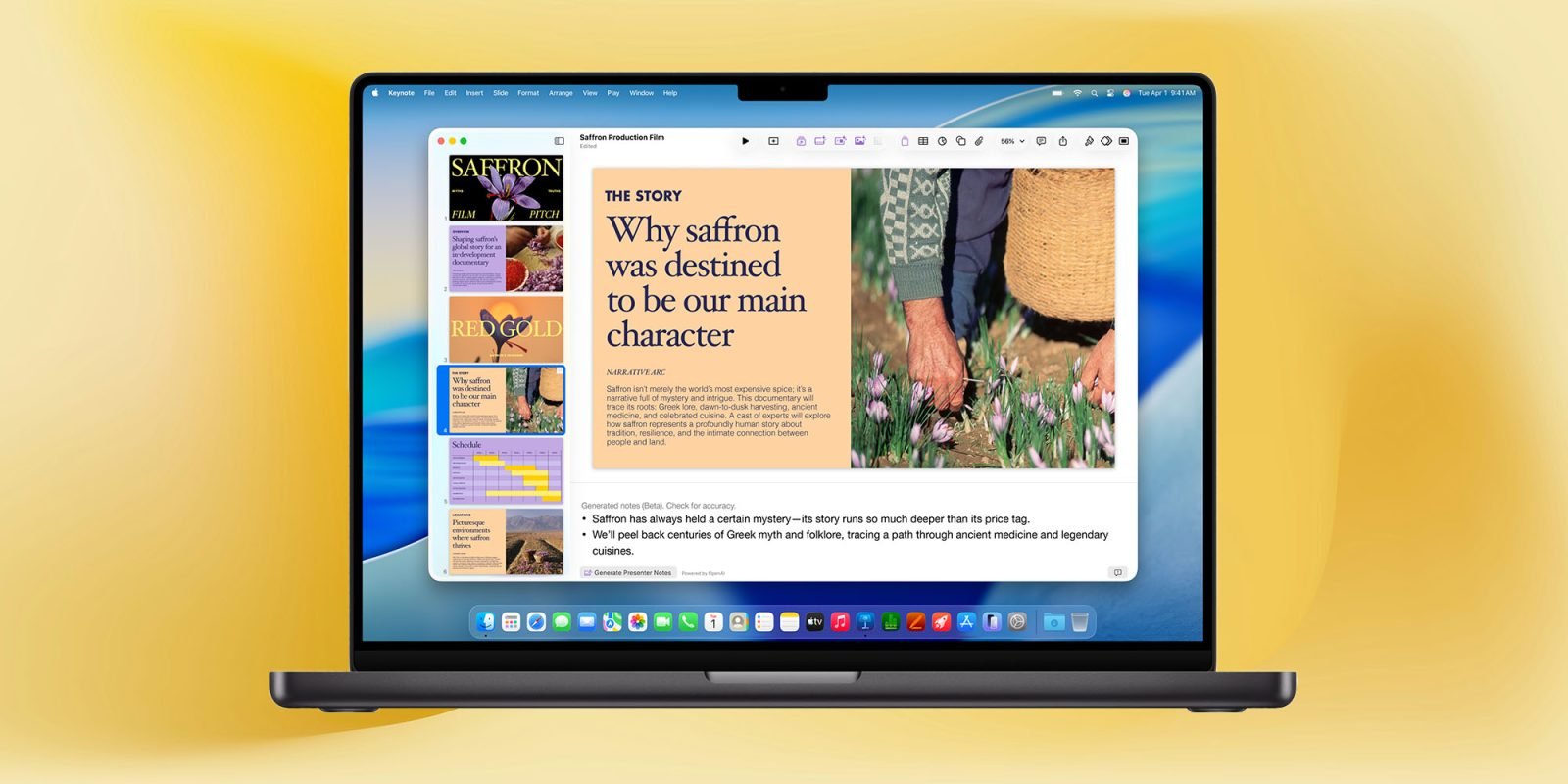
The Apple Creator Studio subscription ($19/month) bundles these productivity app enhancements with professional creative tools including Final Cut Pro, Logic Pro, and Pixelmator Pro. Apple emphasizes this integrated suite aims to "empower creators of all disciplines" while maintaining privacy standards. Subscription features will sync across iPhone, iPad and Mac platforms.
For developers and power users, this transition raises important considerations:
- Cross-Platform Strategy: Features must maintain parity across iOS, iPadOS and macOS versions
- API Implications: How subscription-gated features will interact with automation tools like Shortcuts
- Document Compatibility: Ensuring files created with premium features remain accessible to free users
- Third-Party Alternatives: Competitive pressure on subscription-based productivity suites
Apple explicitly states that existing functionality won't be removed: "Keynote, Pages, Numbers, and Freeform will remain free for all users to create, edit, and collaborate with others." The company also confirms that standalone purchases of Final Cut Pro, Logic Pro and Pixelmator Pro remain available outside the subscription.
This freemium approach creates tiered access to Apple's productivity ecosystem. Casual users can continue working without disruption, while professionals gain premium tools bundled with creative applications. The subscription model provides Apple with recurring revenue while potentially increasing the perceived value of its software ecosystem.
The transition reflects Apple's broader services strategy, extending the freemium approach already seen in Apple Music, Apple Arcade and Apple News+. As AI capabilities become increasingly integral to productivity software, this model allows Apple to fund development of computationally intensive features while maintaining accessibility to core functionality.
Developers creating competing productivity tools should monitor adoption rates of Apple's subscription model and feature implementation details. The success of this approach could influence pricing strategies across the productivity software market, particularly for cross-platform solutions targeting Apple's ecosystem.
Comments
Please log in or register to join the discussion