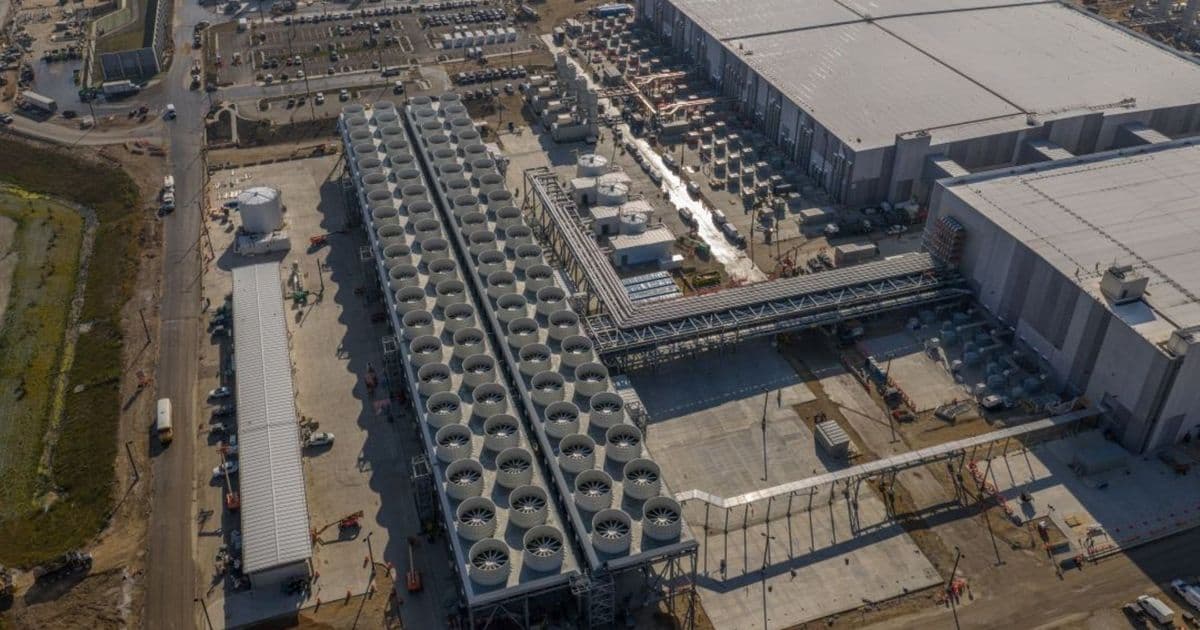
Microsoft announces a comprehensive strategy to address community concerns about AI data centers, pledging to cover energy costs, replenish water, and invest in local workforce development without seeking tax breaks.
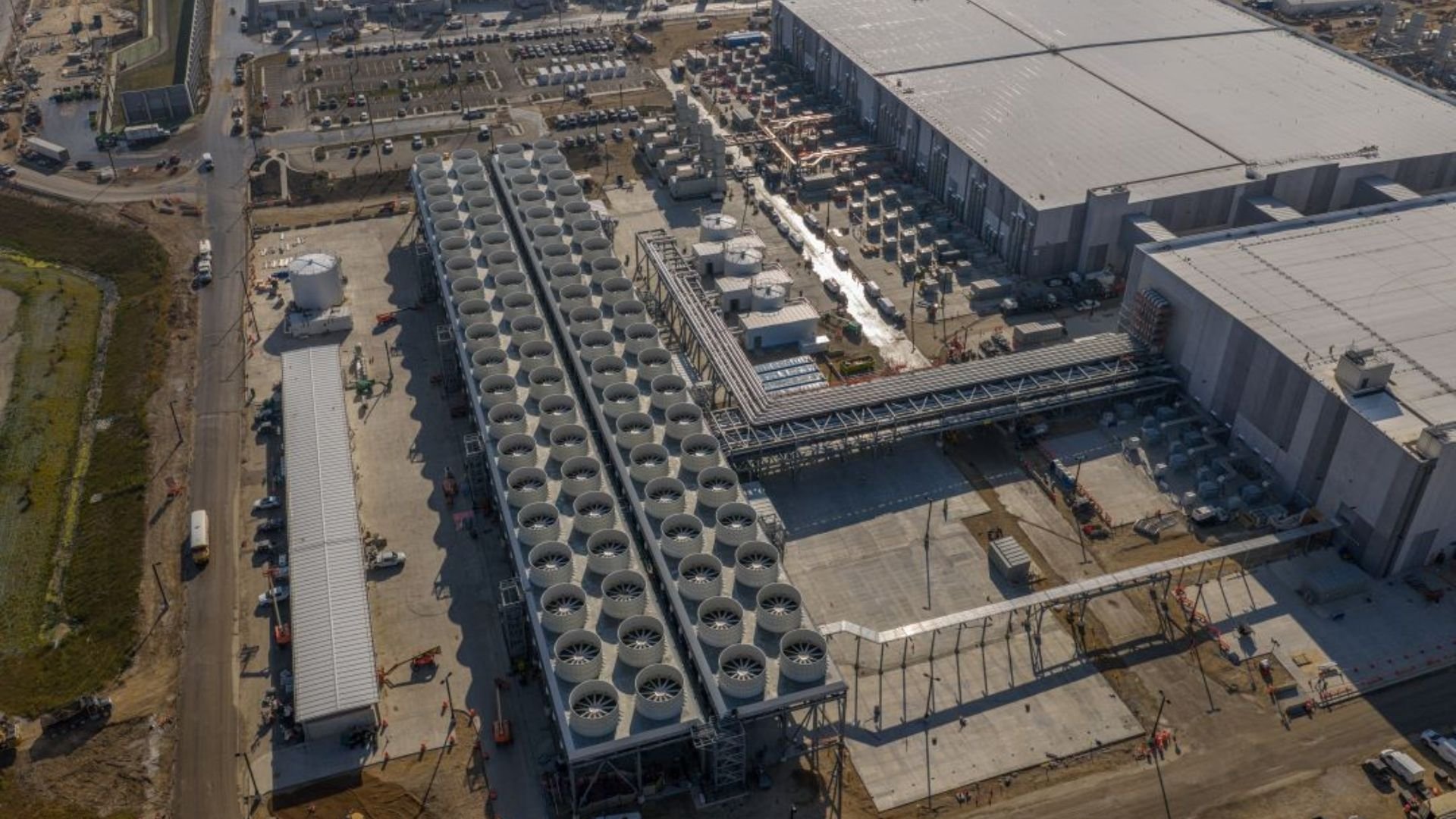
Microsoft has unveiled a detailed plan to fundamentally change how AI data centers interact with local communities, moving from a model of resource extraction to one of mutual benefit. The "Building Community-First AI Infrastructure" initiative directly addresses the mounting public pressure and governmental scrutiny facing hyperscale data center operators.
The Energy Cost Commitment
The most significant promise addresses the explosive issue of residential electricity price increases. In states like Georgia and Virginia, data center expansion has been linked to utility rate hikes of 25-36% for residents. Microsoft's solution involves a two-pronged approach:
First, the company will petition utility commissions to establish dedicated rate classes for data centers that fully cover infrastructure investment costs. This means Microsoft will pay not just for consumed power, but for the generation capacity, transmission upgrades, and grid hardening required to support its facilities. For example, building a 250MW data center might require $500 million in substation and transmission line upgrades—costs that would traditionally be socialized across all ratepayers.
Second, Microsoft will enter long-term power purchase agreements (PPAs) with utilities to fund renewable energy projects ahead of demand. This contrasts with the current model where utilities scramble to build natural gas peaker plants after consumption spikes. The company's internal modeling suggests this approach could reduce grid stress by 40% compared to reactive capacity planning.
Water Stewardship Beyond Conservation
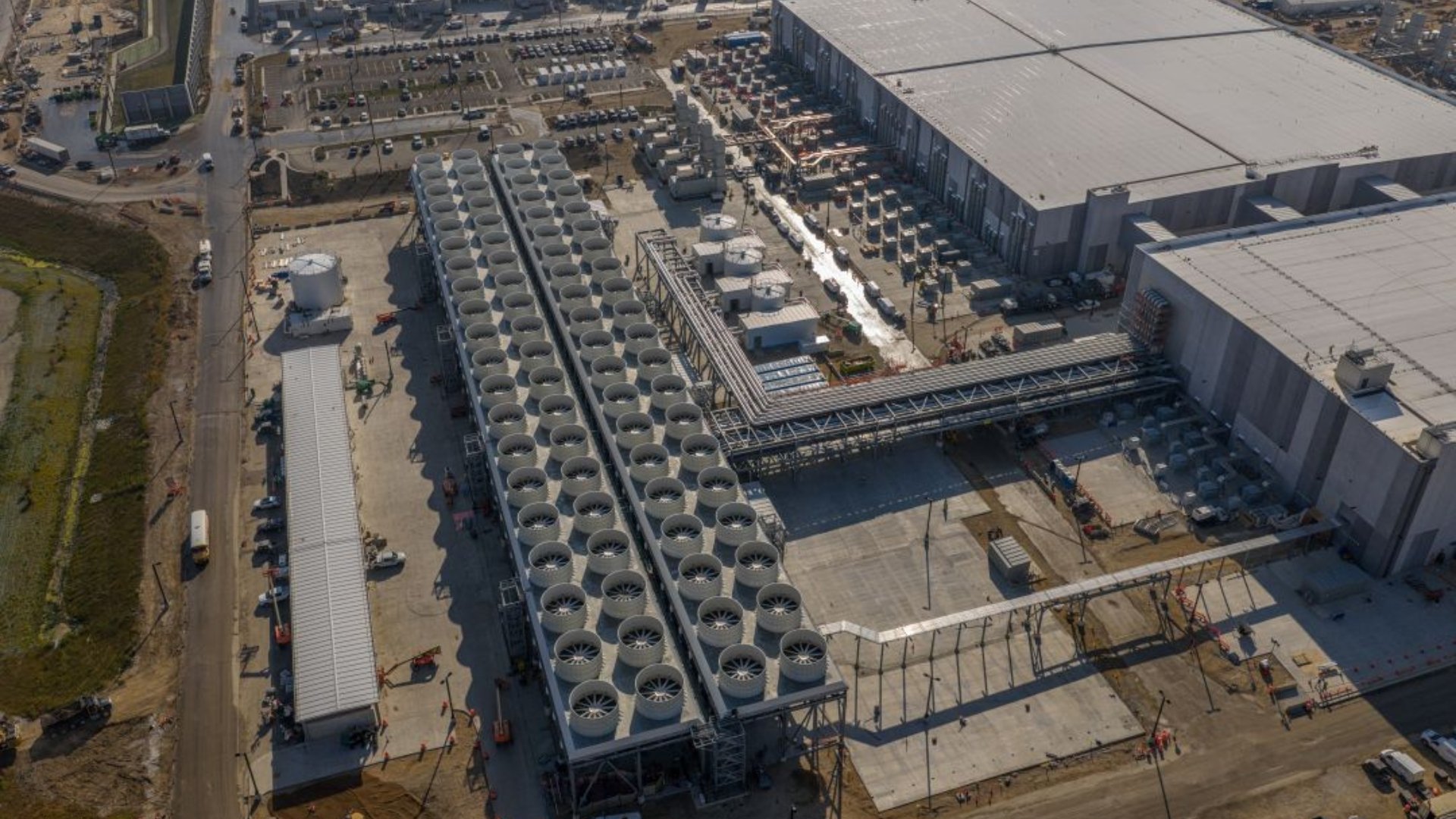
Water usage represents another critical pain point, particularly in drought-prone regions. A typical hyperscale data center consumes 1-5 million gallons daily for cooling—equivalent to a small city. Microsoft's commitment extends beyond conservation to "water replenishment," a specific metric meaning the company will capture, treat, and return at least as much water as it withdraws.
The technical implementation involves three strategies:
- Closed-loop cooling systems that recycle water for multiple cycles before discharge
- Wastewater reclamation partnerships with municipal treatment facilities
- Aquifer recharge projects in water-stressed regions
Microsoft has committed to publishing quarterly water usage effectiveness (WUE) metrics and third-party audits. This transparency addresses the credibility gap created when companies claim minimal impact while local wells run dry.
Economic Integration vs. Extraction
Perhaps most innovative is Microsoft's approach to local economic development. Rather than building facilities that import specialized labor and pay minimal property taxes, the company promises:
- Immediate job creation: Training programs for construction and maintenance workers, targeting 30% local hire rates for facility operations
- Educational investment: "AI literacy hubs" in public libraries, providing free access to AI tools and training for residents
- Tax neutrality: Voluntarily declining property tax abatements, ensuring local governments receive full revenue streams
This last point is particularly significant. Data center operators typically receive 10-15 year tax holidays, costing communities millions in forgone revenue. Microsoft's refusal to seek these breaks could cost them $50-100 million per facility over a decade but would generate equivalent public investment.
Political Context and Industry Implications

The announcement arrives amid escalating political pressure. Three Democratic senators—led by Massachusetts' Elizabeth Warren—sent detailed inquiries to major cloud providers about energy cost externalities. President Trump's recent comments demanding tech companies "pay their own way" signal bipartisan concern.
Microsoft's preemptive strategy may be designed to avoid regulation. If Congress mandates community benefit agreements or energy cost neutrality, first-movers with established frameworks gain competitive advantage. The company is essentially proposing a voluntary standard that could become industry practice.
Other hyperscalers face difficult choices. Amazon Web Services, Google Cloud, and Meta have similar expansion plans but haven't made comparable commitments. They must now decide whether to match Microsoft's terms or risk public backlash and potential regulatory intervention.
Technical and Financial Trade-offs
These commitments carry real costs. Full energy cost coverage could increase data center operating expenses by 15-20%. Water replenishment infrastructure adds $20-30 million per facility. Tax abatement foregone revenue represents a direct hit to profitability.
However, the calculus may favor long-term stability. Community opposition has already delayed projects in Virginia, Arizona, and Nevada by 12-18 months, costing millions in carrying costs. Microsoft's framework could accelerate permitting and reduce litigation risk.
The plan also aligns with enterprise customer demands. Fortune 500 companies face ESG reporting requirements and increasingly select cloud providers based on sustainability metrics. A "community-first" certified data center could command premium pricing.
Implementation Challenges
The real test lies in execution. Microsoft must:
- Negotiate novel rate structures with utility commissions across multiple jurisdictions
- Develop water replenishment projects that actually measurably offset withdrawals
- Scale workforce training programs to meet construction timelines
- Maintain transparency without revealing competitive information
The company has committed to publishing a public dashboard tracking progress on all five pillars, with the first report due Q2 2025.
For communities currently fighting data center projects, Microsoft's announcement provides a template for what to demand. For the industry, it sets a new baseline for acceptable community engagement. The question is whether this represents genuine transformation or sophisticated public relations.
Microsoft Community-First Infrastructure Announcement DOE Data Center Energy Usage Report Virginia State Corporation Commission Data Center Proceedings
Comments
Please log in or register to join the discussion