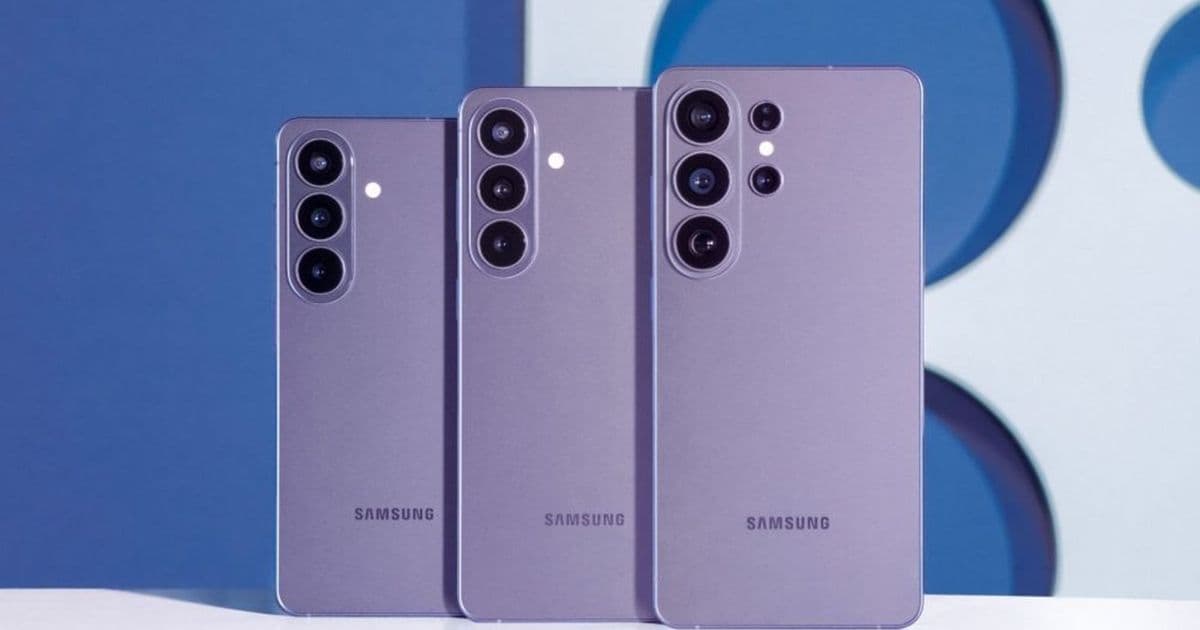
Samsung's new Galaxy S26 lineup brings satellite connectivity to more markets, partnering with major carriers worldwide to enable emergency communication when cellular networks fail.
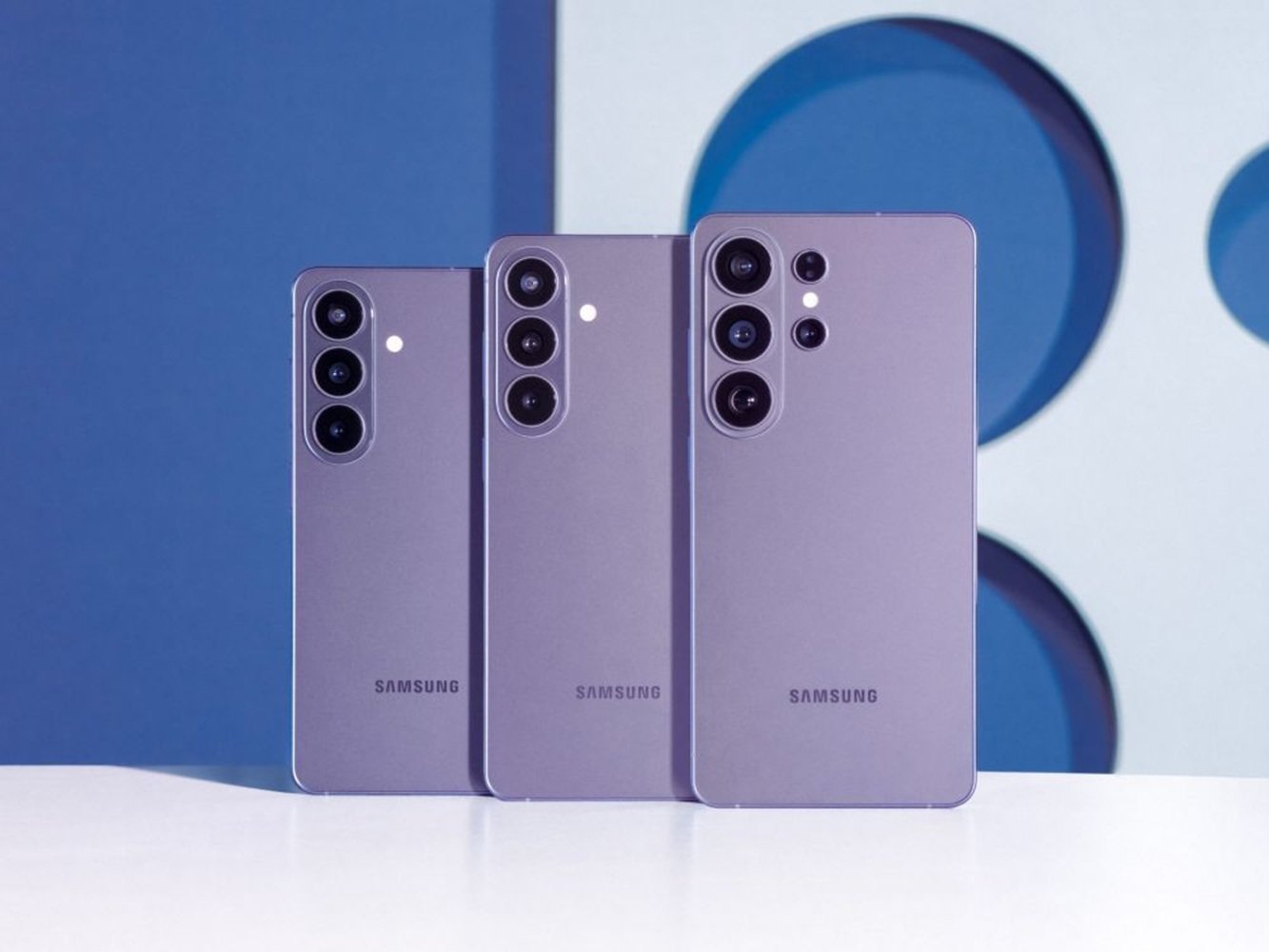
Samsung has unveiled its Galaxy S26 series, marking a significant expansion of satellite communication capabilities across its flagship smartphone lineup. The new Galaxy S26, Galaxy S26+, and Galaxy S26 Ultra all come equipped with the ability to connect directly to orbiting satellites, providing users with emergency communication options when traditional cellular networks are unavailable.
Satellite communication technology allows smartphones to maintain connectivity in remote locations, during natural disasters, or in any scenario where cell towers are out of range. This feature has become increasingly important as consumers seek reliable backup communication methods for outdoor adventures, travel to isolated areas, or emergency situations.
Global Carrier Partnerships Expand Coverage
The South Korean tech giant has established partnerships with major telecommunications operators across multiple continents to deliver this service. In the United States, Samsung is working with AT&T, T-Mobile, and Verizon to provide satellite connectivity to Galaxy S26 users. Notably, T-Mobile's satellite service leverages SpaceX's Starlink network, which has already been available on previous Galaxy A and S series models.
European users will find satellite communication through Virgin Media O2 in the United Kingdom, with Samsung planning trials with Spain's MasOrange beginning in March 2026. The company is also collaborating with Vodafone to expand coverage across the continent. In Asia, the feature has been enabled on Japan's KDDI network, starting from the Galaxy S22 models, and will soon extend to some Galaxy flagships and Galaxy A devices on SoftBank, Rakuten, and docomo carriers.
Evolution of Samsung's Satellite Strategy
This launch represents the maturation of Samsung's satellite communication initiative, which began in 2025 with select flagship models. The company has systematically expanded the technology's availability, moving from limited releases to full flagship series integration. By partnering with established telecommunications providers in each region, Samsung ensures that users have access to reliable satellite services through familiar carrier relationships.
The global rollout strategy demonstrates Samsung's commitment to making satellite communication a standard feature rather than a premium add-on. As the service expands to more markets and devices, it could fundamentally change how consumers think about smartphone connectivity and emergency preparedness.
Technical Implementation and User Experience
While specific technical details weren't provided in the announcement, satellite communication on smartphones typically requires clear line-of-sight to the sky and may involve specific positioning of the device for optimal signal strength. Users can likely expect features such as emergency messaging, location sharing, and potentially basic data services when connected to satellite networks.
The integration of satellite capabilities into mainstream flagship devices represents a significant step forward in mobile communication technology. As more manufacturers adopt similar features and satellite networks continue to expand, the distinction between terrestrial and satellite connectivity may eventually blur, offering users truly global communication options regardless of their location.
Market Implications and Competition
Samsung's aggressive expansion of satellite communication puts pressure on competitors to develop similar capabilities. Apple has offered satellite emergency services since 2022, primarily focusing on emergency messaging rather than broader communication features. Google and other Android manufacturers may need to accelerate their satellite technology development to remain competitive in the premium smartphone segment.
The timing of this announcement, coming in early 2026, suggests Samsung is positioning the Galaxy S26 series as a technology leader in mobile communications. By making satellite connectivity standard across its entire flagship lineup, Samsung is betting that consumers will value the added security and versatility enough to influence purchasing decisions.
As satellite networks continue to grow and improve, features like these could become as essential to smartphone buyers as camera quality or battery life are today. The question remains whether other manufacturers will follow Samsung's lead in making satellite communication a standard feature across their premium device portfolios.
Comments
Please log in or register to join the discussion