Apple is preparing its first MacBook Pro redesign in five years this fall, featuring a thinner chassis, OLED display technology, and the controversial addition of touchscreen functionality alongside expected M6-series chips.
Apple's MacBook Pro lineup is poised for its most significant transformation since 2020, with multiple sources indicating a complete chassis overhaul scheduled for late 2026. This redesign marks the first major structural change to Apple's professional laptop series in five years and addresses several longstanding user requests while introducing cutting-edge display technology.
Thinner Yet Functional Design
The upcoming models will reportedly feature a slimmer profile despite concerns stemming from Apple's problematic 2016 keyboard design era. Current MacBook Pro chassis designs are engineered to accommodate thermal demands that exceed the requirements of base M4 and M4 Pro chips favored by most users. Recent advances in thermal management enable Apple to reduce bulk without compromising performance, particularly for the 16-inch model which many professionals find cumbersome during daily transport.
This design evolution doesn't signal a departure from professional needs. The MacBook Air series continues to serve those prioritizing extreme portability, while the Pro lineup maintains its performance-oriented identity. The redesign focuses on eliminating unnecessary bulk rather than sacrificing cooling capacity, with refined internal layouts allowing for a more travel-friendly form factor.
Tandem OLED Display Technology
Display technology represents the most significant leap forward. Apple will implement Tandem OLED panels identical to those introduced in the 2024 iPad Pro. This technology stacks two OLED layers to achieve higher peak brightness (up to 3,000 nits) while reducing power consumption by approximately 30% compared to traditional OLED. The result is dramatically improved contrast ratios with true blacks, wider color gamut coverage, and elimination of the bloom effect associated with current mini-LED backlighting.
Manufacturing partners will begin panel production in Q2 2026, aligning with Apple's traditional October-November release window for professional Mac updates. The display upgrade represents Apple's continued investment in visual quality following the XDR display technology introduced in previous Pro models.
Touchscreen Integration
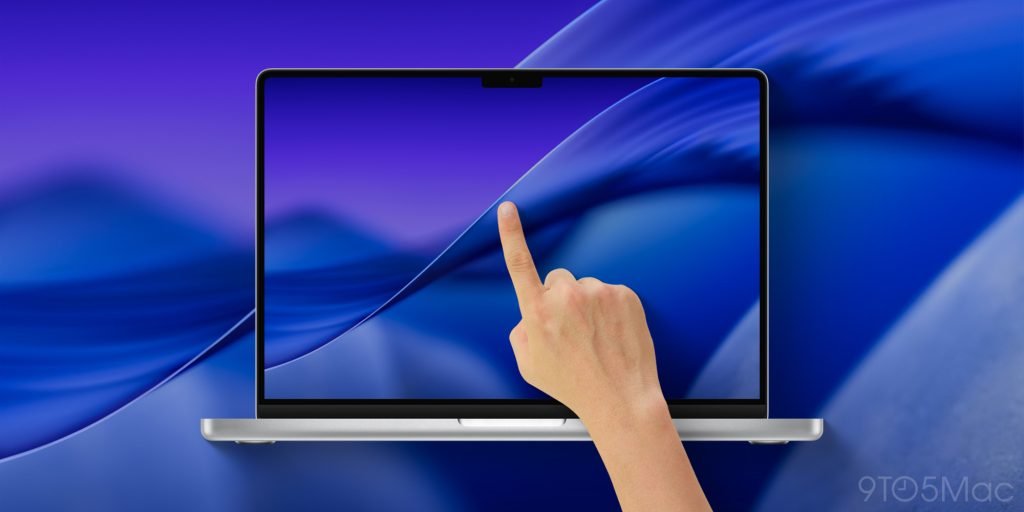
In a notable strategic shift, Apple will finally incorporate touch capability into macOS hardware. After nearly two decades of resisting touchscreens on Macs—despite their prevalence on Windows laptops—Apple is leveraging experience from iPhone, iPad, and the discontinued Touch Bar (available on Intel MacBook Pros until 2022). Implementation details remain speculative, but Apple is expected to optimize macOS Sonoma's successor for touch interactions without compromising traditional input paradigms.
This move potentially blurs boundaries between iPadOS and macOS workflows. Touch support could revolutionize creative applications like Final Cut Pro and Adobe Creative Suite, where direct manipulation often proves more intuitive than trackpad or mouse input. The Touch Bar's legacy demonstrates Apple's experimental approach to touch interfaces, suggesting the company has developed solutions to avoid the ergonomic challenges of touching vertical displays.
Ecosystem Enhancements
Beyond these core upgrades, the redesign includes several ecosystem-focused improvements:
- Visual Identity: A smaller camera housing replacing the current notch, potentially evolving into a Dynamic Island-style interactive element
- Connectivity: First-ever cellular connectivity options leveraging Apple's in-house modem technology
- Performance: Next-generation M6 Pro and M6 Max chips manufactured using TSMC's 2nm process for significant efficiency and speed improvements
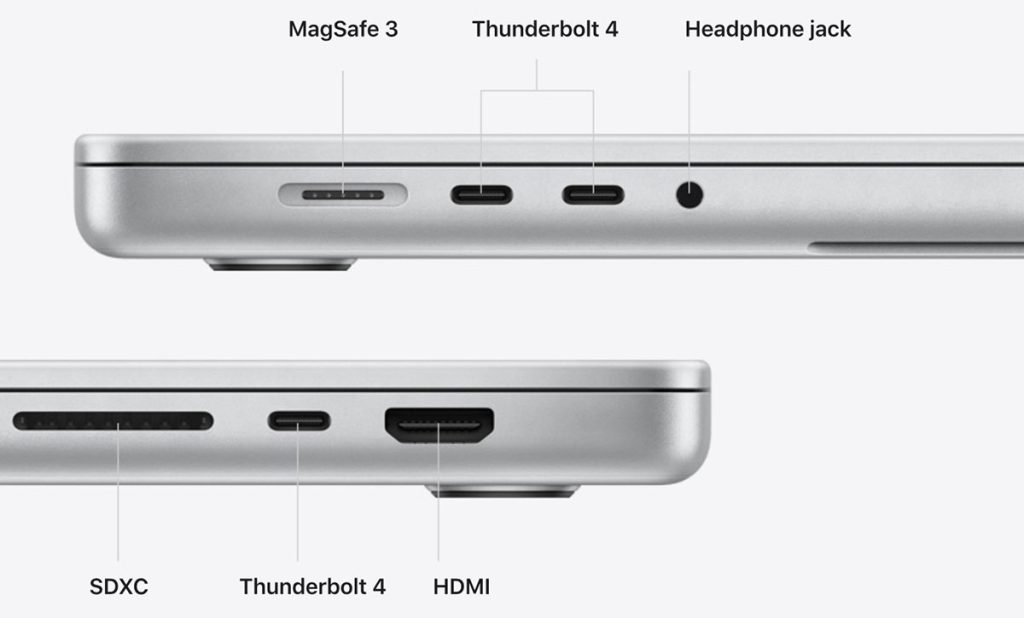
- I/O: Potential expansion of Thunderbolt 5 ports supporting 120Gb/s bandwidth
The MacBook Pro redesign is expected around October 2026, though supply chain complexities could push availability to early 2027. These changes position the MacBook Pro as Apple's most advanced laptop ever, integrating technologies developed across iPhone, iPad, and Mac ecosystems while addressing professional creator demands.
What potential do you see in these rumored changes? Share your perspectives on how touch capability might transform macOS workflows in the comments section.
Comments
Please log in or register to join the discussion