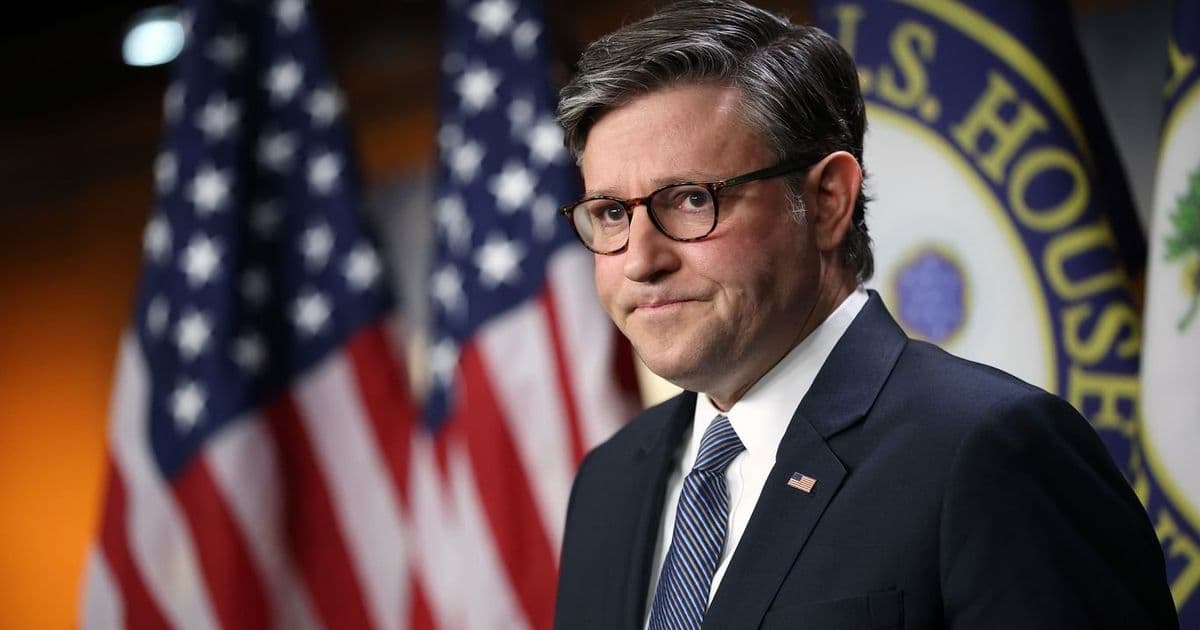
The House voted down a short-term extension of the Foreign Intelligence Surveillance Act with the authority set to expire Friday. The fight is usually framed as civil liberties versus national security, but the operational weight of Section 702 falls on the cloud providers, telecoms, and platforms that actually hand over the data.
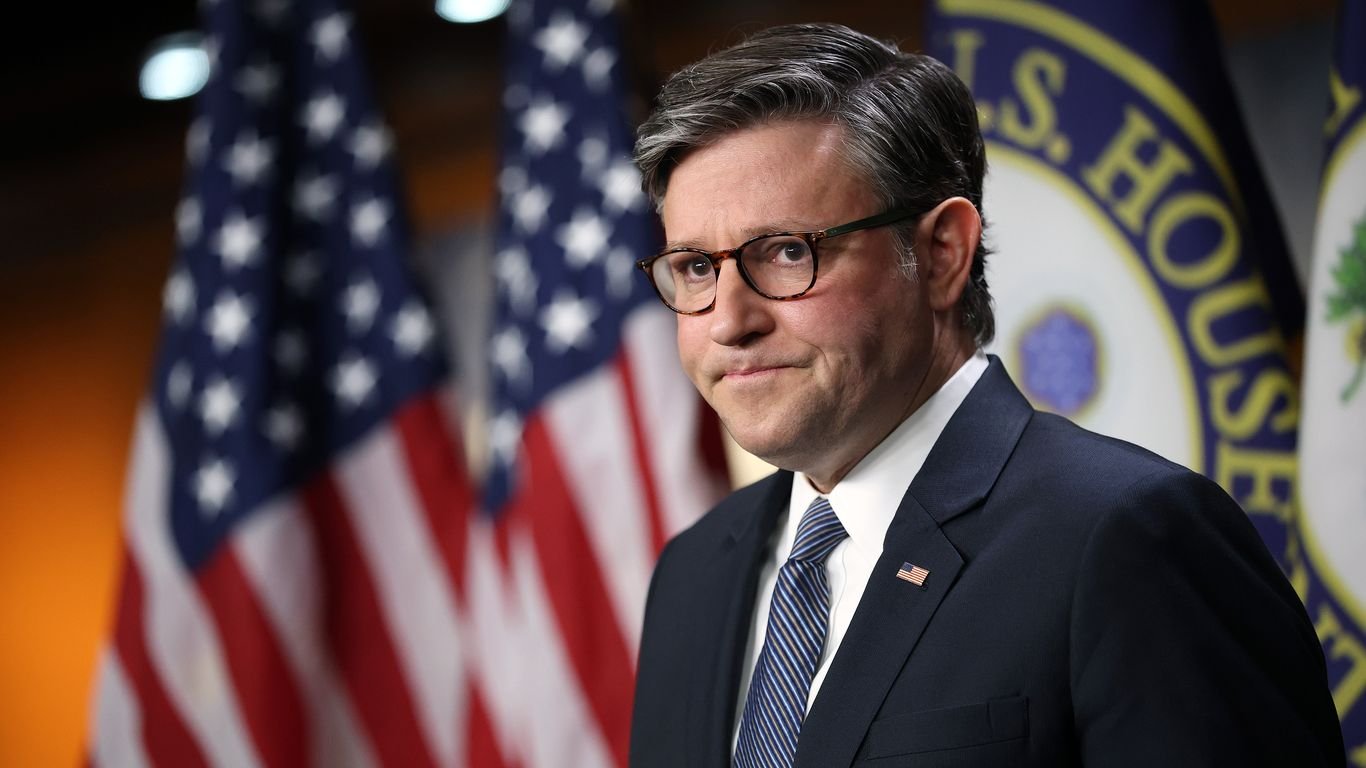
The House rejected a last-ditch effort to extend the Foreign Intelligence Surveillance Act, leaving the law's most consequential provision pointed at a Friday expiration. Speaker Mike Johnson could not assemble a coalition to push even a temporary patch across the floor, a failure that reflects how the surveillance debate has fractured along lines that no longer map cleanly onto party.
The headline reads as a Washington process story. The more useful way to read it is as a compliance and infrastructure story, because the part of FISA in question, Section 702, is the legal machinery that compels American technology companies to produce communications data on foreign targets. When the provision lapses, the uncertainty does not sit in a government building. It sits inside the legal and engineering teams at the companies that operate the pipes.
What Section 702 actually does
Section 702 authorizes the warrantless collection of communications belonging to non-U.S. persons located abroad. In practice, that authority is executed through directives served on "electronic communication service providers," a category that sweeps in the largest names in cloud, email, messaging, and telecom. The government identifies selectors, an email address or a phone number, and the provider is legally obligated to deliver the associated traffic.
This is the part that gets lost when the story is told purely as a civil liberties fight. The collection is not something the intelligence community does to tech companies. It is something tech companies are conscripted to perform. Each provider maintains dedicated compliance infrastructure, vetted personnel, and legal review processes built specifically to respond to these directives. That apparatus represents a standing operational cost, and it exists because the statute requires participation rather than inviting it.

Why a lapse is messier than it sounds
A clean expiration does not flip a switch to off. Existing certifications issued under Section 702 generally remain valid through their term, which has historically allowed collection to continue for roughly a year past a nominal sunset. That detail matters for how the market should price the event. The immediate effect of Friday is not a blackout of intelligence collection. It is a removal of the legal floor under future directives and a question mark over how providers should treat new requests.
For a general counsel at a cloud company, ambiguity is the expensive outcome. Comply with a directive that no longer rests on clear statutory authority, and the company assumes legal exposure to its own users and to foreign data protection regulators. Decline, and the company risks an enforcement posture from the government it has spent years cooperating with. Neither path is cheap, and the cost of straddling them is paid in legal hours, internal escalation, and the slow erosion of the predictability that compliance teams are built to provide.
The market context
The providers most exposed here are the hyperscale cloud and communications businesses, the same firms that have spent the past decade selling trust as a feature. European and Asian enterprise customers already scrutinize U.S. government access when they choose where to host data, and sovereignty-focused cloud offerings have grown specifically to answer that scrutiny. A surveillance authority caught in a public legislative collapse hands ammunition to every competitor pitching a non-U.S. alternative and to every foreign regulator weighing data transfer rules.
That dynamic gives American technology firms a quiet commercial stake in seeing Section 702 reauthorized with clear guardrails rather than left to expire into legal fog. A stable, defined authority is something a company can explain to a customer. An expired one that the government still leans on informally is the worst of both, exposure without clarity.
The strategic implication
The reauthorization fight has shifted from a binary of renew or kill toward a contest over conditions, with warrant requirements for queries involving Americans as the central sticking point. That detail is where business interest and civil liberties interest converge. A warrant requirement adds process and latency to compliance, but it also gives providers a cleaner story to tell about how data leaves their systems, which has its own commercial value in a market increasingly sold on trust.
The House failing to pass even a temporary extension signals that the next version of this authority will be negotiated under deadline pressure rather than designed deliberately. For the companies that operate the infrastructure, the outcome is the same whether the law lapses for a week or is rewritten in a rush. They will absorb the uncertainty, staff the compliance reviews, and field the customer questions, regardless of which way the vote in the Capitol eventually breaks.
Comments
Please log in or register to join the discussion