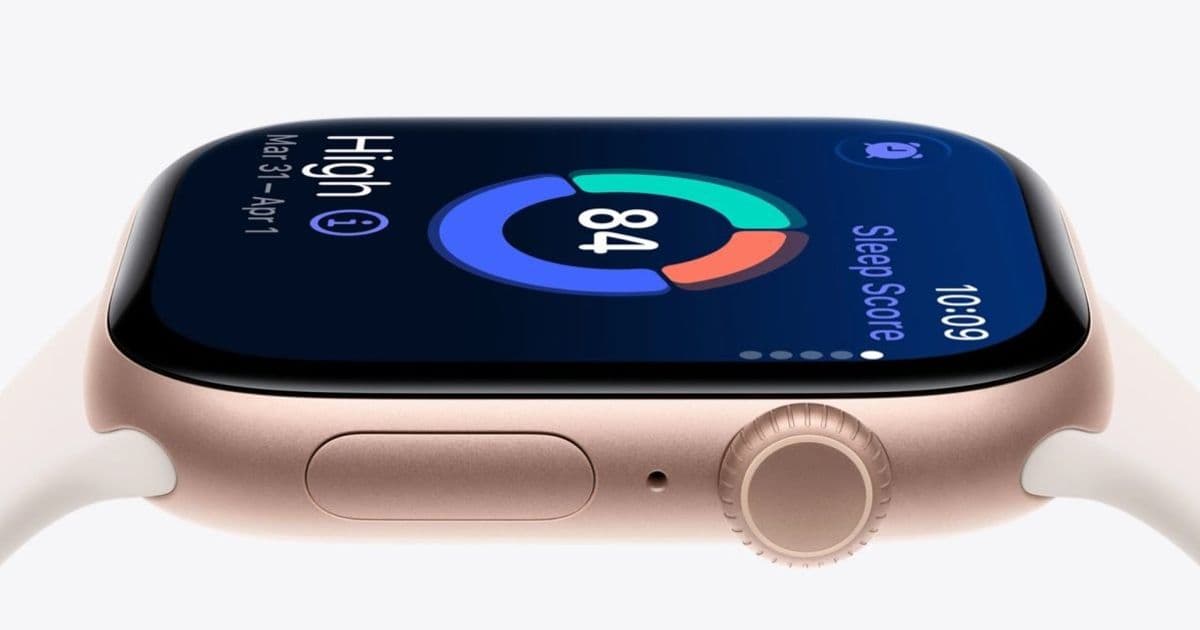
Harvard researchers analyzed 94 000 nights of Apple Watch sleep records from the Apple Women’s Health Study, uncovering modest increases in wake‑after‑sleep‑onset during the menopause transition. The findings highlight the value of Apple’s HealthKit and ResearchKit APIs, and they raise questions for cross‑platform developers building sleep‑tracking features on Android and other wearables.
Apple Watch sleep data fuels Harvard’s perimenopause study – implications for health‑SDK developers
What the study showed
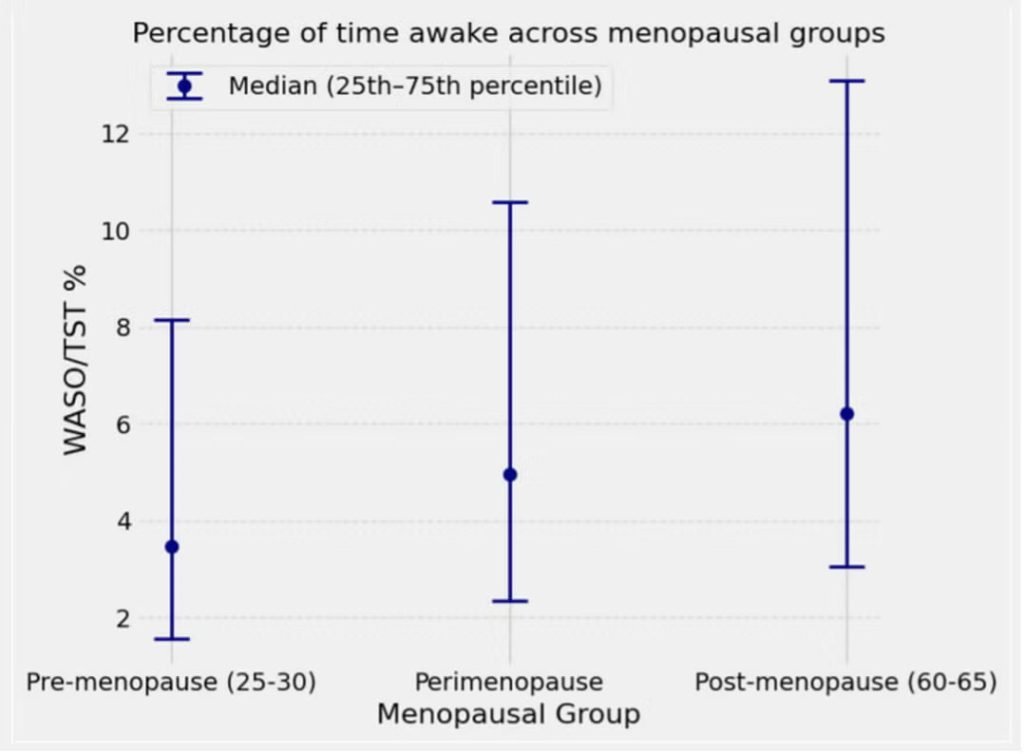
Harvard’s T.H. Chan School of Public Health published a paper that examined more than 94 000 nights of sleep data collected from 338 participants in the Apple Women’s Health Study. The cohort was primarily women aged 45‑59, the typical perimenopause window. Researchers found that in the year surrounding the final logged menstrual period, participants spent on average 0.8 % more time awake during the night. Over the 18 months before menopause, 60 % of the women showed a 7 % rise in WASO (wake after sleep onset) compared with the prior six months.
The paper also linked severe menopause symptoms—especially bladder, joint, cardiac discomfort, and depressive signs—to the greatest sleep disruption. While the averages are modest, the individual variance was large; some women saw no change, others experienced a substantial increase in nighttime awakenings.
Why developers should care
The study is a concrete example of how Apple’s health‑data ecosystem can power large‑scale, longitudinal research. Two Apple frameworks made this possible:
- HealthKit – provides a standardized store for sleep, heart‑rate, and menstrual‑cycle data on iOS and watchOS. The data model includes
HKCategoryTypeIdentifierSleepAnalysisandHKQuantityTypeIdentifierMenstrualFlow, which the Harvard team queried via the Apple Research app. - ResearchKit – offers consent flows, survey modules, and background data collection that let researchers enroll participants with minimal friction.
For developers building health‑related apps, the study underscores a few practical take‑aways:
- Accurate timestamping matters – Sleep stages are recorded in 5‑minute intervals on watchOS 10 and later. Aligning these intervals with self‑reported symptom surveys requires careful handling of time‑zone offsets and daylight‑saving changes.
- Large‑scale consent handling – ResearchKit’s built‑in consent UI can be customized for regulatory compliance (e.g., GDPR, HIPAA). Re‑using the same consent flow across iOS and Android reduces development effort.
- Data export formats – The Harvard team exported data as CSV files via the Research app’s “Export Data” feature. When building cross‑platform pipelines, consider supporting both CSV and FHIR JSON to simplify downstream analysis.
Cross‑platform considerations
Android developers have comparable toolsets, though the ecosystem is more fragmented:
- Google Fit offers a
SleepSegmentsdata type, but the granularity varies by device manufacturer. Samsung’s Galaxy Watch and Fitbit devices often report sleep stages at 1‑minute resolution, while generic Android Wear devices may only provide a binary “asleep/awake” flag. - ResearchStack (the Android counterpart to ResearchKit) provides consent and survey modules, but it lacks the deep integration with the OS that HealthKit enjoys. Developers may need to write additional adapters to normalize data from multiple OEMs.
When aiming for a truly cross‑platform study, a common data schema is essential. The Open mHealth schema for sleep (omh: Sleep) can serve as a lingua franca, allowing iOS (HealthKit) and Android (Google Fit) data to be merged without losing resolution. Mapping Apple’s HKCategoryValueSleepAnalysis values to the Open mHealth sleepStage enum is straightforward, but developers must handle Apple’s “in‑bed” vs. “asleep” distinctions, which Google Fit does not expose directly.
Practical steps for teams planning similar research
- Define a unified data model – Choose a standard (Open mHealth or FHIR) early, and write conversion layers for each platform.
- Leverage existing SDKs – Use HealthKit/ResearchKit on iOS and Google Fit/ResearchStack on Android. Keep the UI layer shared (e.g., React Native or Flutter) while delegating sensor access to native modules.
- Implement robust background collection – Both watchOS 10 and Wear OS 4 support background tasks that can upload data when the device is on Wi‑Fi. Ensure you respect battery constraints and request the appropriate permissions (
NSHealthShareUsageDescription,android.permission.ACTIVITY_RECOGNITION). - Plan for data privacy – Store raw identifiers only on the device until the participant consents to upload. Use end‑to‑end encryption when transmitting CSV or JSON payloads to a secure research server.
- Validate against real‑world variance – As the Harvard results show, individual trajectories differ widely. Include statistical tools (mixed‑effects models) in your analysis pipeline to capture both population‑level trends and outliers.
What this means for app users
For women tracking their cycles and sleep on an Apple Watch, the study’s recommendations are actionable:
- Keep the bedroom cool (around 68 °F / 20 °C).
- Stick to a regular bedtime and wake‑time.
- Move regularly during the day; even a 20‑minute walk improves sleep continuity.
- Limit fluids and bladder irritants in the evening.
- Incorporate mindfulness or breathing exercises before sleep.
Developers can surface these tips directly in the app, tying them to the user’s own sleep‑trend graphs. On Android, similar guidance can be delivered via notifications that respect Do‑Not‑Disturb settings.
Further reading
- Harvard’s full paper: A Transition of Seasons: Sleep Patterns and Changes in Perimenopause (PDF) – https://www.hsph.harvard.edu/perimenopause-sleep-study
- Apple’s HealthKit documentation – https://developer.apple.com/documentation/healthkit
- ResearchKit guide – https://developer.apple.com/documentation/researchkit
- Google Fit API reference – https://developers.google.com/fit
- Open mHealth sleep schema – https://www.openmhealth.org/schemas/omh/sleep
Bottom line
The Harvard analysis demonstrates that consumer wearables can generate clinically relevant data at scale. For developers, the key challenge is to bridge the gap between platform‑specific SDKs and a unified research pipeline that respects privacy and delivers actionable insights to users on both iOS and Android.
Comments
Please log in or register to join the discussion