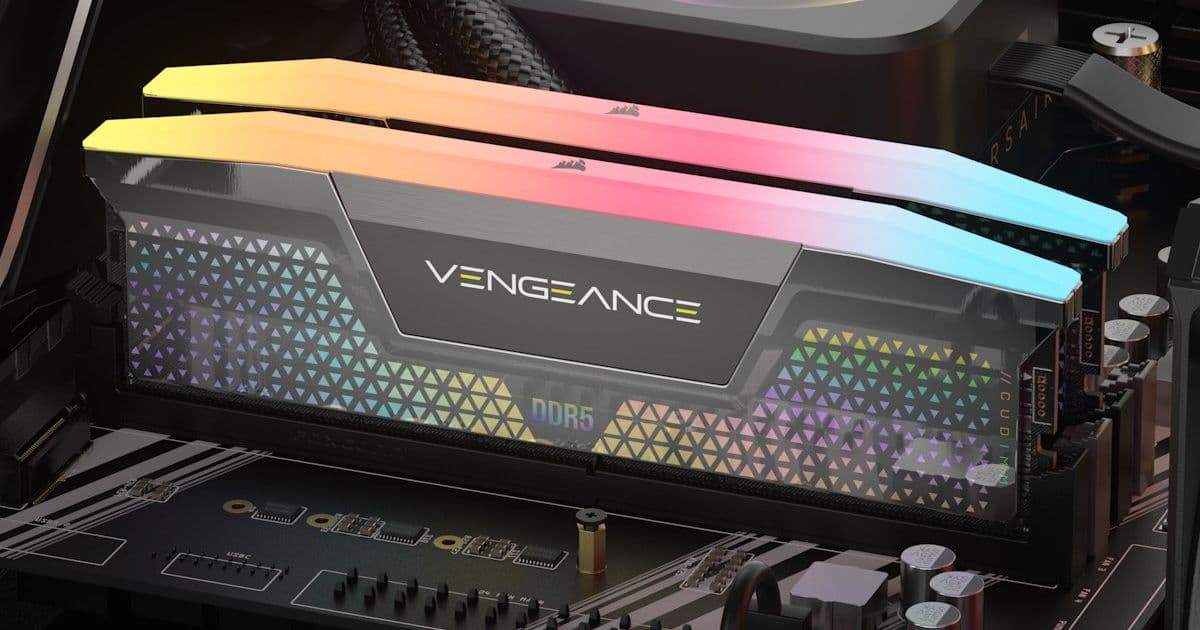
Umart denies warranty replacement for faulty Corsair DDR5 kit, citing price increases as 'upgrade' rather than defect coverage
An Australian PC hardware retailer is facing backlash after refusing to replace a faulty Corsair DDR5 memory kit, instead offering a refund at the original purchase price despite current market prices being 3.5-4x higher.
The Warranty Dispute
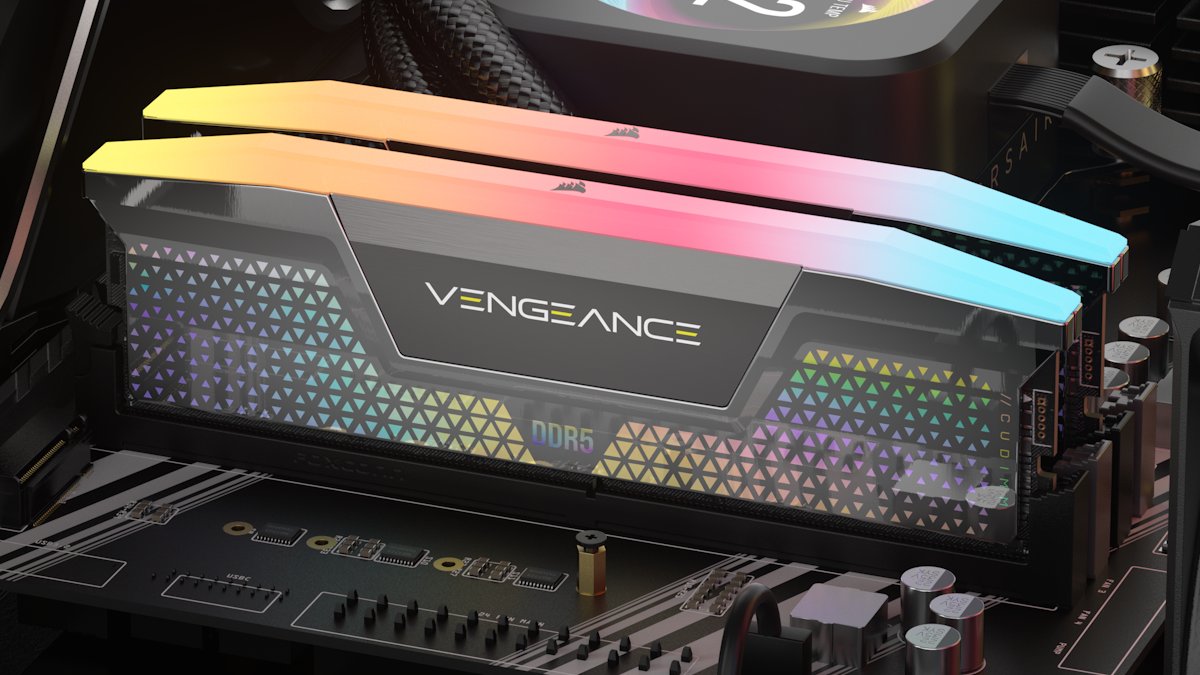
Goran, a PC builder from Australia, returned a 32GB Corsair DDR5-5600 kit purchased in 2024 to Umart, one of the nation's largest specialist PC hardware retailers. The store confirmed the DIMMs were defective using PassMark testing, but then refused to provide a replacement.
Instead, Umart offered a refund of 155 AUD - the original purchase price. This amount represents a fraction of current market value, as comparable DDR5 kits now command between 500 and 600 AUD. The retailer justified this by claiming that providing a replacement would constitute an "upgrade" rather than warranty service.
Had Goran accepted the offer, he would have needed to spend an additional 400 AUD or more to purchase a similar replacement kit.
Legal and Consumer Rights Issues
The situation highlights tensions between retailer practices and Australian consumer law. Under Australian regulations, retailers bear responsibility for warranty claims and must either replace or refund defective items before pursuing claims with manufacturers.
When Goran cited Australian consumer law, Umart responded by quoting the legislation but providing what Goran and observers described as a "byzantine and twisted interpretation," maintaining that the original purchase price refund was the appropriate remedy.
The RAM Crisis Context
The pricing discrepancy stems from the ongoing global RAM chip crisis. DDR5 memory prices have surged dramatically over the past year due to supply constraints and surging demand from AI data centers and other high-performance computing applications.
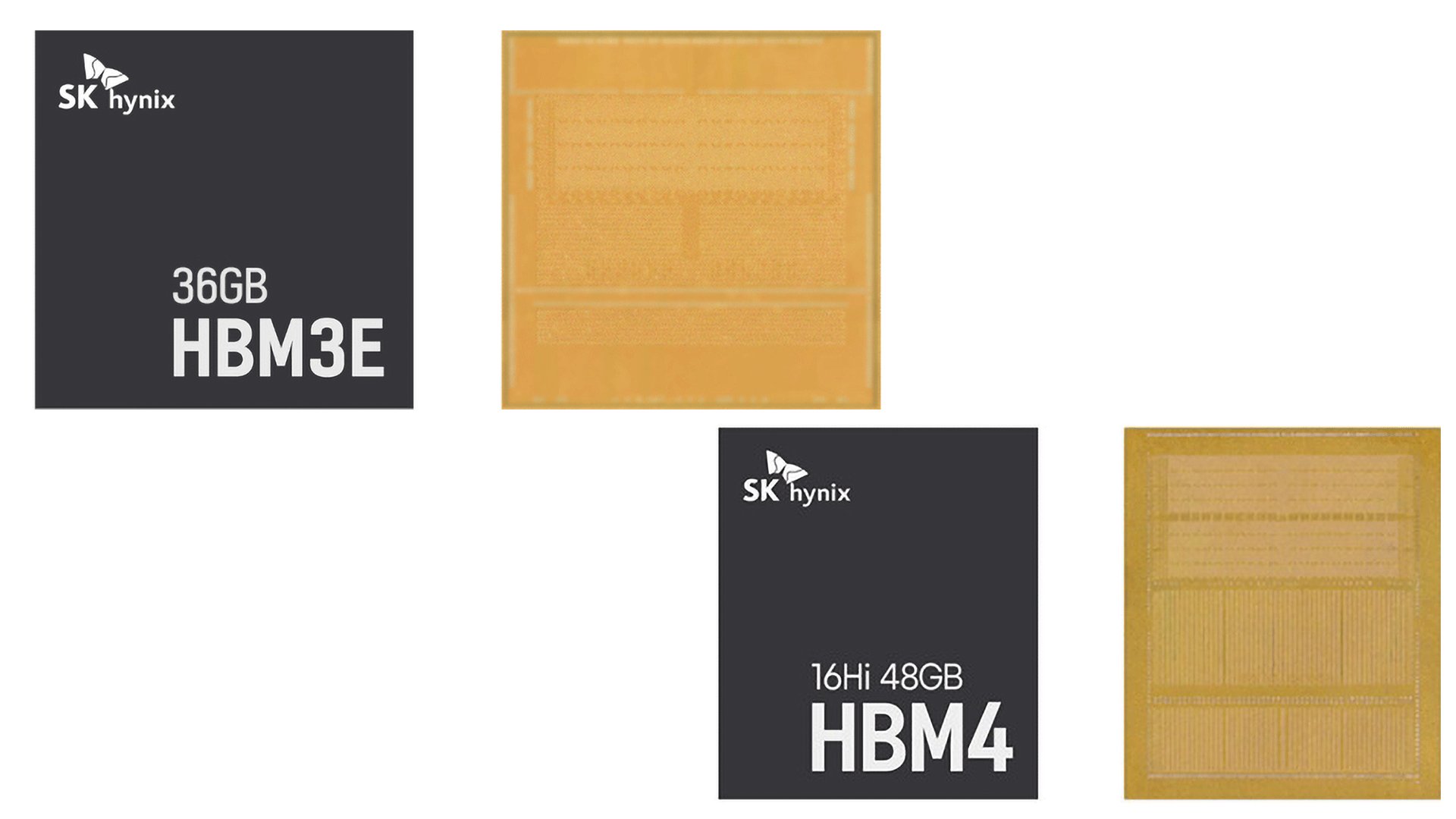
This crisis has created situations where retailers face replacement costs that far exceed original selling prices, potentially incentivizing practices that minimize warranty obligations.
Manufacturer Warranty Complications
Goran could have potentially bypassed Umart by filing a direct warranty claim with Corsair, as the memory kit carries a limited lifetime manufacturer warranty. However, Umart complicated this option by stating it had "forwarded" the defective DIMMs to an "authorized supplier" who had "issued a credit in place of replacement stock."
This effectively prevented Goran from initiating a direct RMA with Corsair, raising questions about whether Umart had already received compensation at current market rates while offering only the original purchase price to the customer.
Industry Response and Resolution
After three weeks of silence from Corsair support, hardware review channel Hardware Unboxed became involved in the case. The channel offered to lend Goran a memory kit while the dispute continued.
Corsair eventually responded to Hardware Unboxed, stating it was handling Goran's case. This prompted questions about whether the company's response was influenced by the channel's influence in the PC hardware community.
Broader Implications
Umart posted a noncommittal statement in response to the Hardware Unboxed video, essentially reiterating its original position. The channel reported collecting additional similar stories about Umart's warranty service practices.
This case exemplifies the challenges consumers face when warranty claims intersect with volatile component pricing. As memory prices continue to fluctuate dramatically, similar disputes may become more common across the industry.
For PC builders and system integrators, the incident underscores the importance of understanding warranty terms, retailer policies, and consumer protection laws in their respective jurisdictions. It also highlights the potential value of manufacturer direct support when retailer practices become problematic.
The resolution of Goran's case may set precedents for how retailers handle warranty claims when replacement costs have increased substantially since original purchase, particularly in markets experiencing significant component price volatility.
Comments
Please log in or register to join the discussion