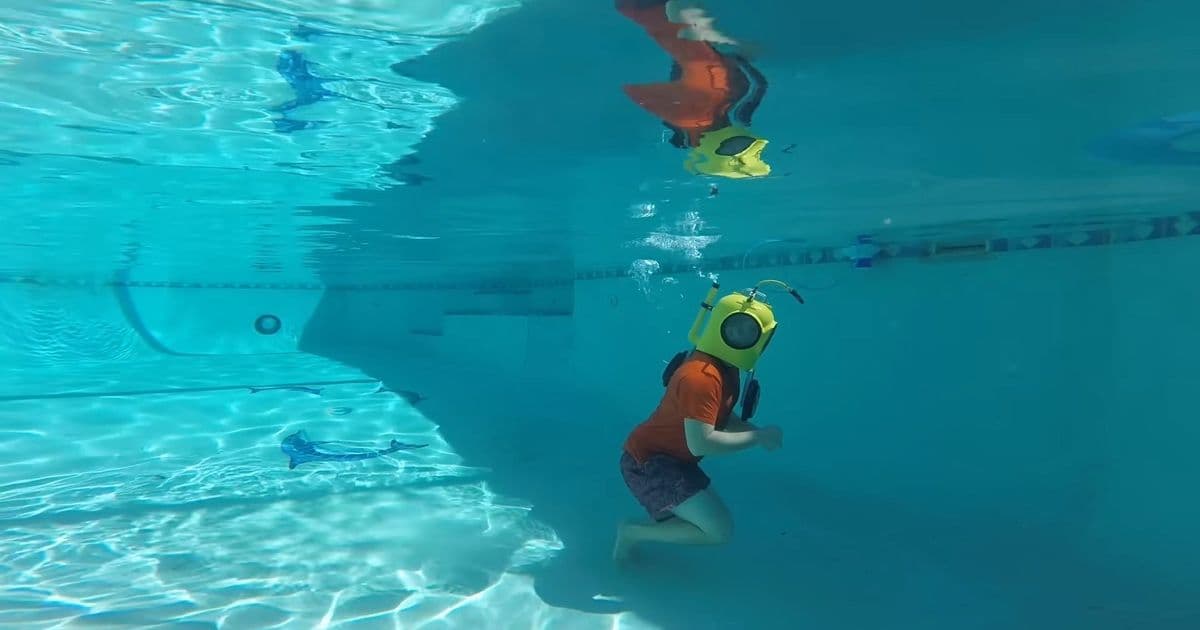
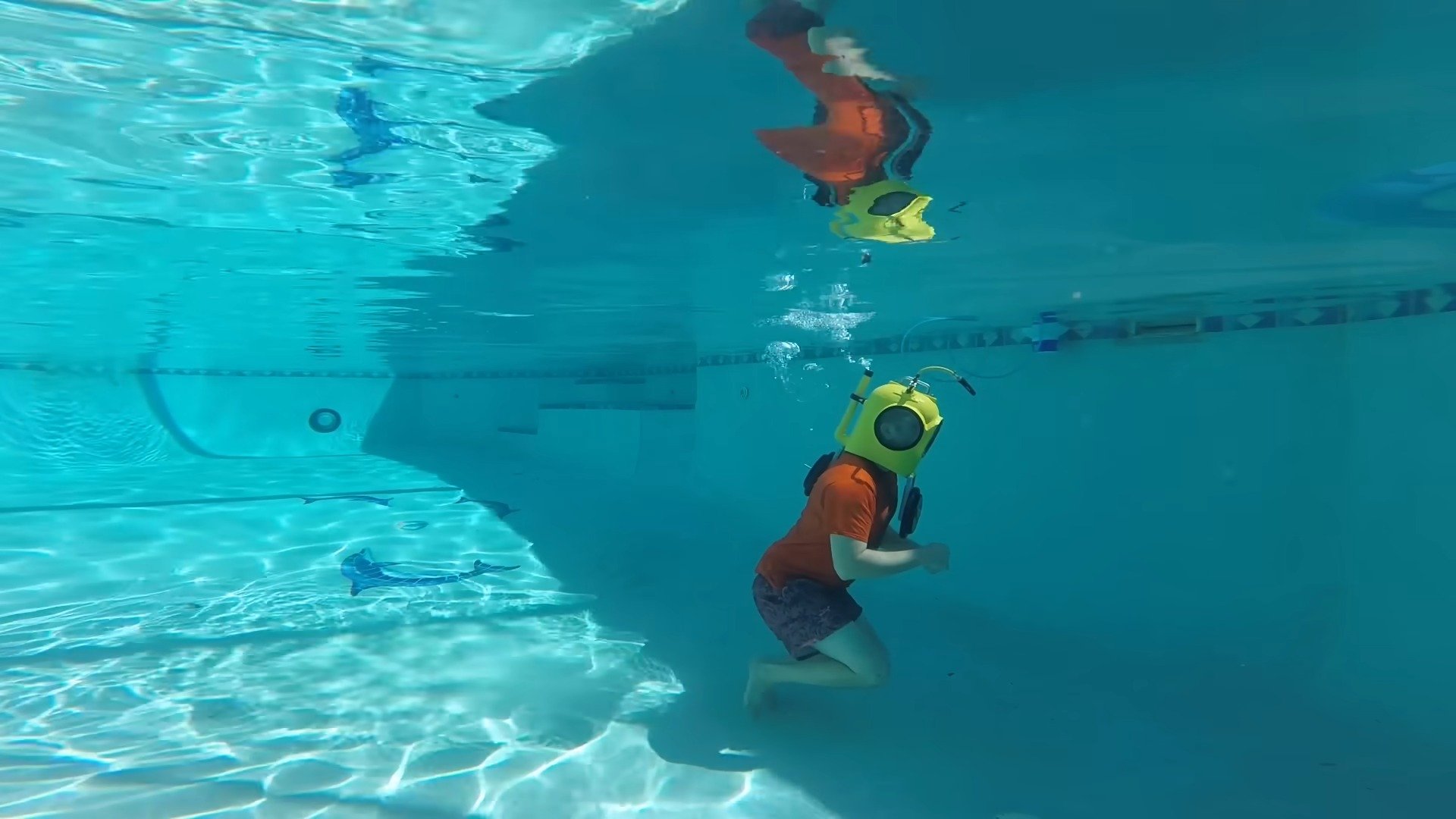
A YouTuber builds a fully 3D-printed diving helmet with custom air supply, showcasing the technical challenges and safety considerations of DIY underwater exploration.
What happens when a maker decides to build their own diving helmet from scratch? YouTube creator "Hyperspace Pirate" took on this ambitious project, creating a fully 3D-printed underwater breathing apparatus that pushes the boundaries of DIY engineering. The result is both fascinating and a stark reminder of why commercial diving equipment exists in the first place.
The Concept: Simple Physics, Complex Execution
The fundamental principle behind this DIY helmet is surprisingly straightforward—it works like an upside-down bucket. Fresh air is continuously pumped in through a hose, creating positive pressure that keeps water out. This same principle has been used in commercial diving helmets for over a century.
However, the simplicity of the concept belies the complexity of execution. Before any water testing could begin, the builder had to navigate a maze of technical considerations, from material selection to air supply safety. Skip these steps, and the consequences could be fatal.
Material Science: Why ABS and Not Polyester
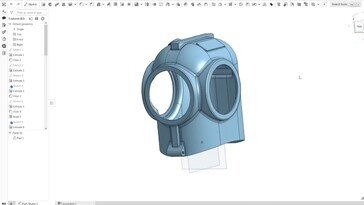
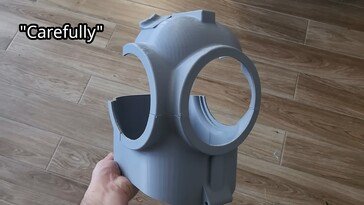
The helmet's design files are freely available on Thingiverse, but the builder emphasizes that one size definitely doesn't fit all. He recommends creating a cardboard prototype first—what he calls "cardboard-aided design"—to ensure proper fit before committing to the 3D print.
For the final build, ABS plastic was chosen for its durability and water resistance. The helmet was printed in multiple segments, then assembled using specialized adhesives. To reinforce the structure, the builder applied fiberglass and epoxy resin—but crucially, not polyester resin. Polyester dissolves ABS, which would compromise the entire build.
After reinforcement, the helmet received a paint job and protective lacquer coating. The multi-stage process demonstrates how even seemingly simple DIY projects require understanding material compatibility and chemical interactions.
The Air Supply: Where Safety Becomes Paramount
Perhaps the most critical aspect of the build is the air supply system. The builder mounted an oil-free electric compressor on a floating platform alongside a power inverter and battery packs. This keeps the entire apparatus buoyant at the surface while delivering compressed air through a standard 1/4-inch SAE fitting.
Here's where the project takes a serious turn: the builder explicitly warns against using gas-powered compressors. Why? Exhaust gases like carbon monoxide and carbon dioxide can travel down the air hose directly into your lungs. Oil-contaminated air poses additional health risks. Only oil-free, electrically powered compressors should ever be used for this type of project.
Testing and Limitations
The first tests took place in a backyard pool—a sensible starting point for any underwater breathing apparatus. Theoretically, the system can handle depths up to ten meters, provided the compressor delivers at least 41 liters of air per minute.
The builder believes that with a more compact, waterproofed compressor setup, real ocean exploration could be possible. However, he acknowledges a significant limitation: whether a pool float loaded with electronics would survive in open water conditions remains questionable.
The Bottom Line: Not a Weekend Project
This build is explicitly for experienced makers and divers, not casual hobbyists. The project video, while entertaining and educational, comes with a clear message: don't try this at home unless you have serious technical expertise and diving experience.
The helmet represents an impressive feat of DIY engineering, but it also highlights why commercial diving equipment undergoes rigorous testing and certification. Every component—from the ABS plastic to the compressor selection—involves life-or-death decisions.
For those interested in the technical details, the project serves as an excellent case study in applied engineering, material science, and safety protocols. For everyone else, it's a fascinating glimpse into what's possible when maker culture meets underwater exploration—with a healthy dose of respect for the inherent dangers involved.
Comments
Please log in or register to join the discussion